The Judgment Black Box
You made roughly four hundred judgment calls last year — hiring, budgeting, timing, trusting. How many of those did you go back and actually score? Yeah. That number's closer to zero than you'd like to admit.
Part 1: The Judgment Black Box — Concept
+5 XP on completion

You made roughly four hundred judgment calls last year — hiring, budgeting, timing, trusting. How many of those did you go back and actually score? Yeah. That number's closer to zero than you'd like to admit.

We treat decisions like luggage at baggage claim — once they disappear down the belt, we never check whether they arrived intact. So judgment stays frozen at whatever level it was when we stopped paying attention.

Judgment compounds — but only if you close the loop. A decision you never revisit teaches you exactly nothing, no matter how smart you felt making it.

The mechanism is stupidly simple: write down what you decided, why, and what you expected to happen. Then put a date on your calendar to check. That's it — a judgment log with a built-in reckoning.

Marcus kept a judgment log for six months. When he reviewed it, he found a pattern: every time he rushed a vendor decision under deadline pressure, he overpaid by roughly fifteen percent. Six months of data turned a gut feeling into a number he could actually fix.

The black box only works if you open it. In Part 2, you'll practice building your own judgment log and setting your first review trigger. See you there.
Part 2: The Judgment Black Box — Practice
+10 XP on completion

Every unrecorded decision is a lesson you paid for and never collected. Time to start collecting.
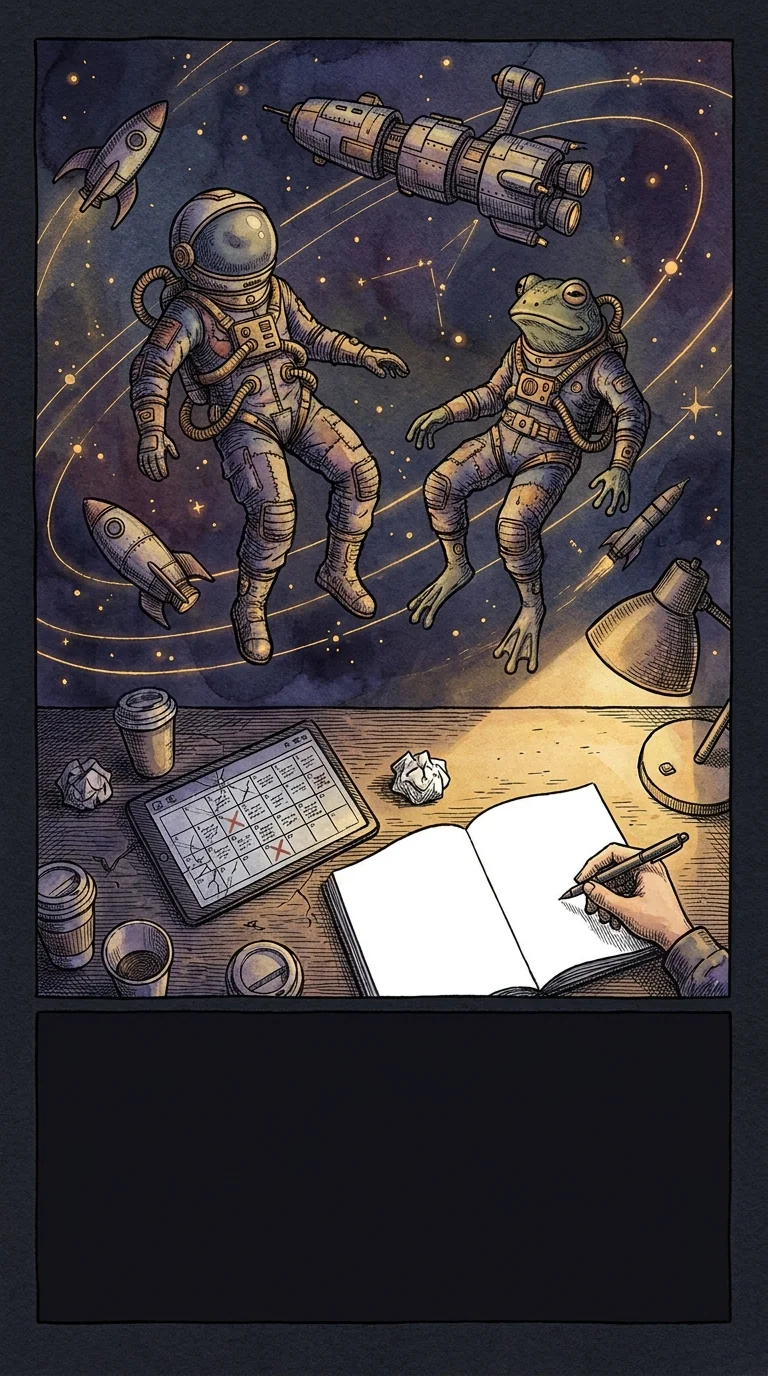
You probably made a dozen judgment calls this week — who to trust, what to prioritize, when to wait. Ask yourself how many you wrote down. Yeah.

The technique is called the Decision Log. Three columns, thirty seconds per entry: what you decided, why you decided it, and what you expected to happen. That's the whole machine.
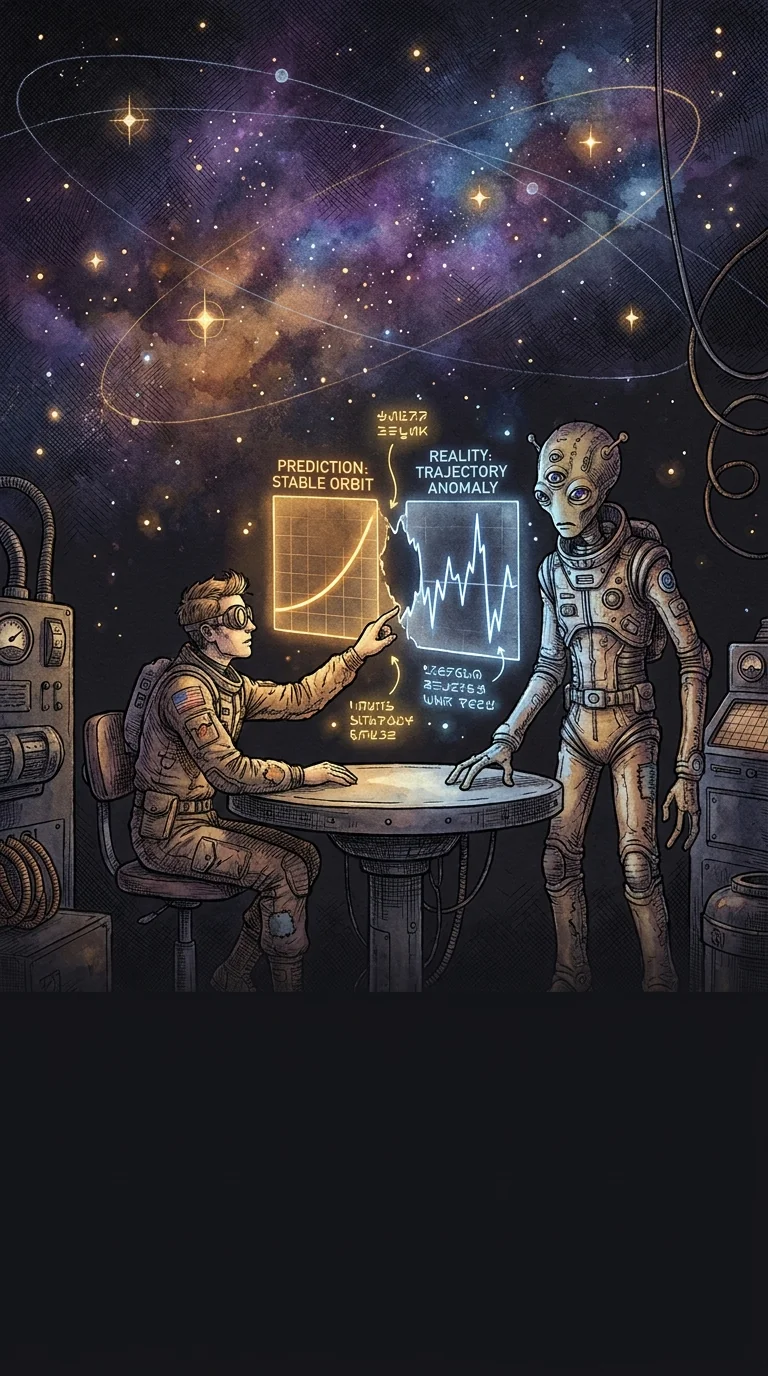
Once a month, you revisit the log. Compare what you expected to what actually happened. The gap between those two things is where your judgment is either compounding or coasting — and now you can actually see which one.

Marcus started a Decision Log after botching a vendor contract. Three months later, he noticed a pattern — he consistently overestimated how fast new partners would deliver. One line in a notebook saved him from repeating the same expensive surprise a fourth time.

Start your log today — even one entry. Future you is going to read it back in a month and finally have something better than a gut feeling to steer by.