Systems Over Willpower
You already know what good judgment looks like. The problem is you keep forgetting to use it at 2 PM on a Thursday when you're tired and someone's pushing your buttons.
Part 1: Systems Over Willpower — Concept
+5 XP on completion
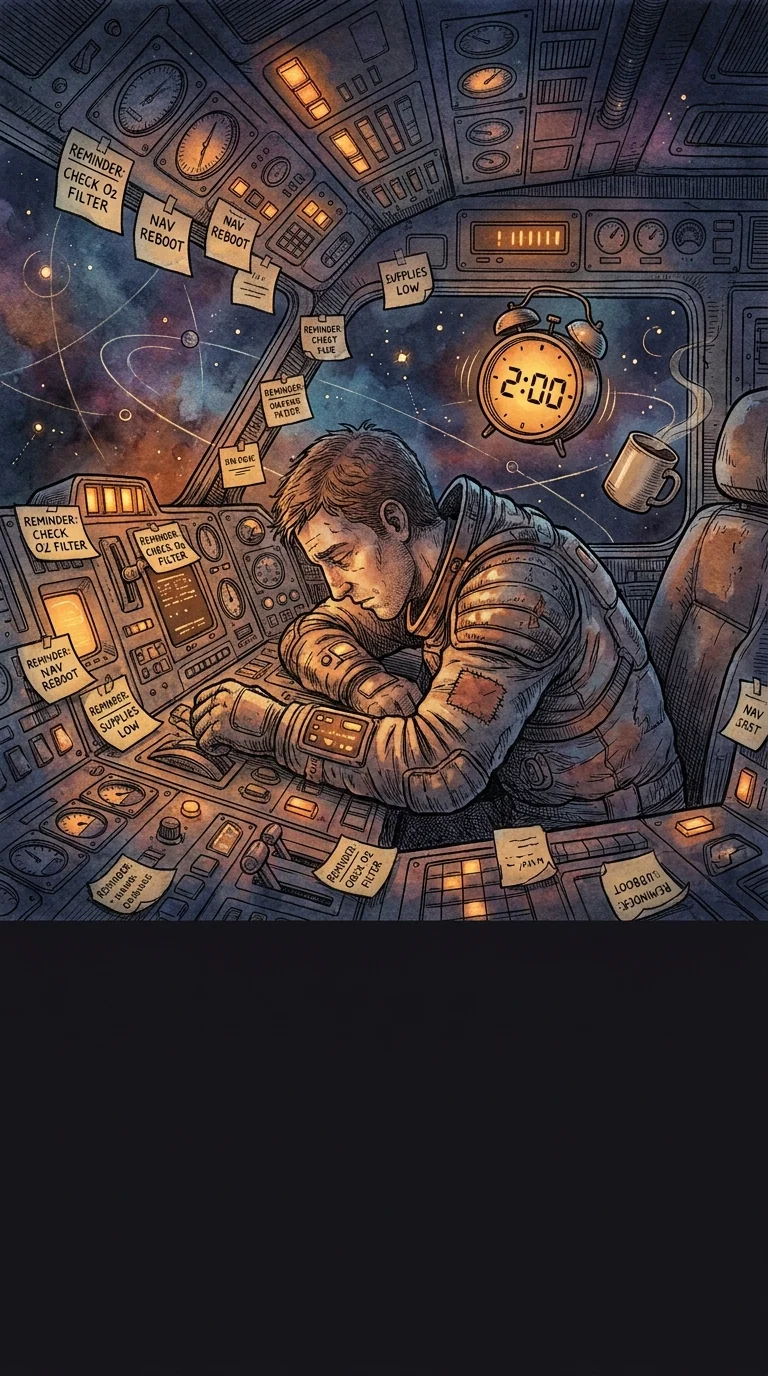
You already know what good judgment looks like. The problem is you keep forgetting to use it at 2 PM on a Thursday when you're tired and someone's pushing your buttons.
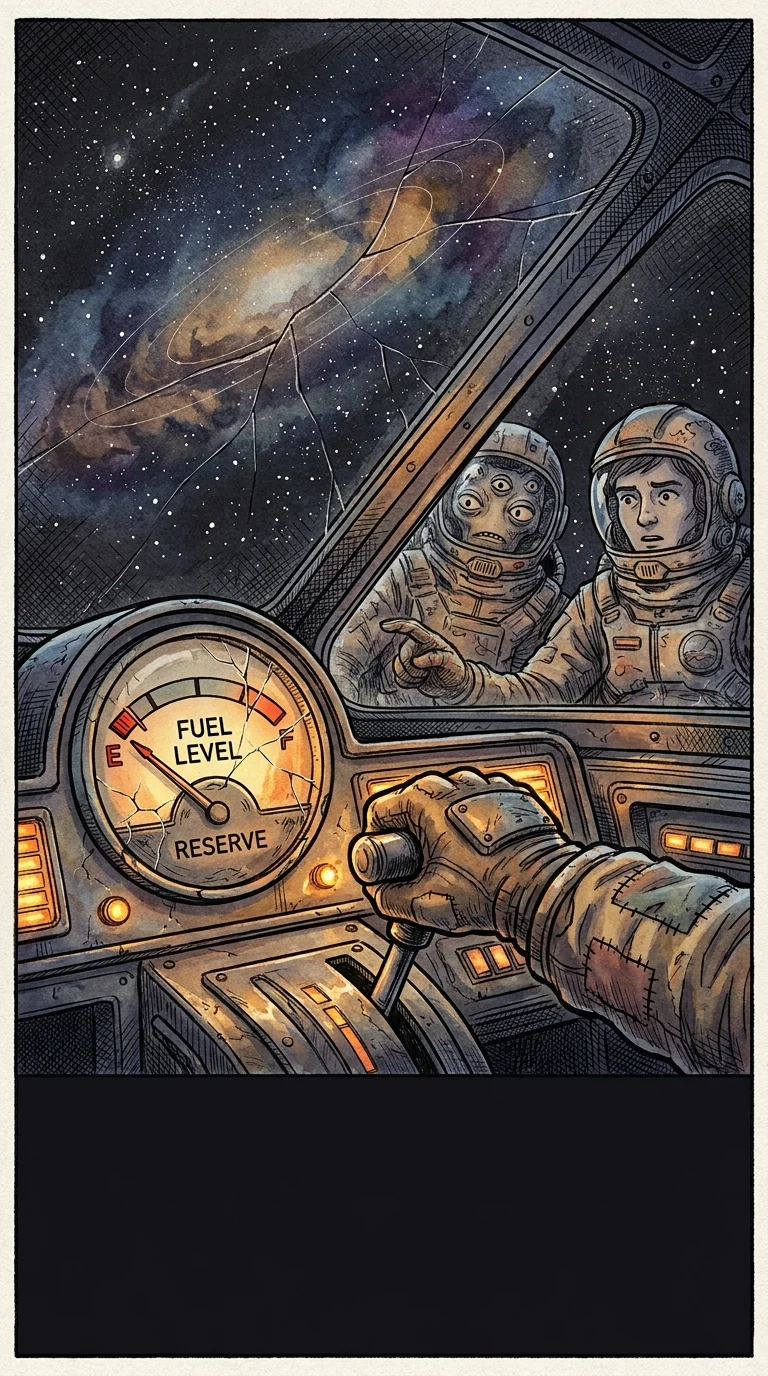
We treat good decisions like a muscle we can flex on command. So we white-knuckle our way through every choice, burning willpower like fuel — and then wonder why we're running on empty by midweek.
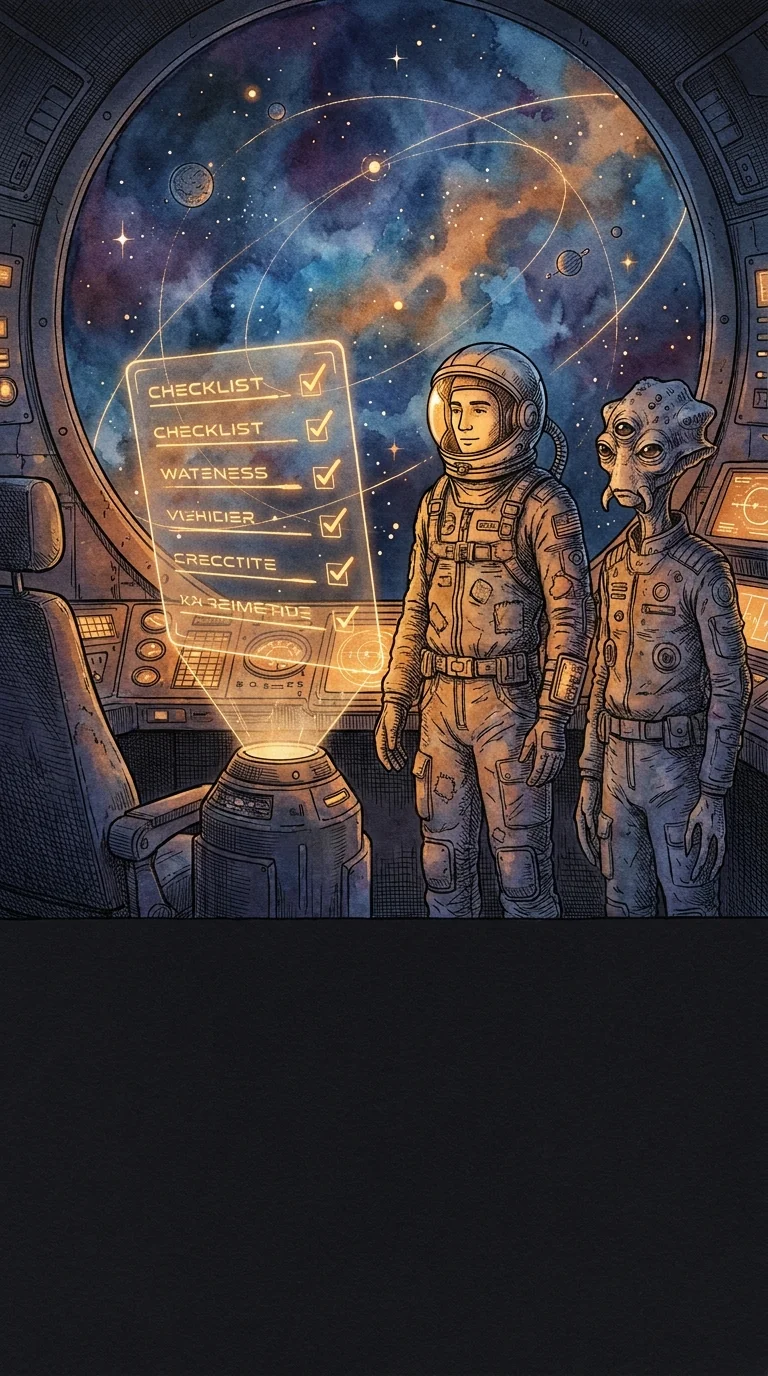
The best pilots don't outfly every crisis in real time. They install checklists, defaults, and guardrails — so the right move happens whether they're sharp or half-asleep.
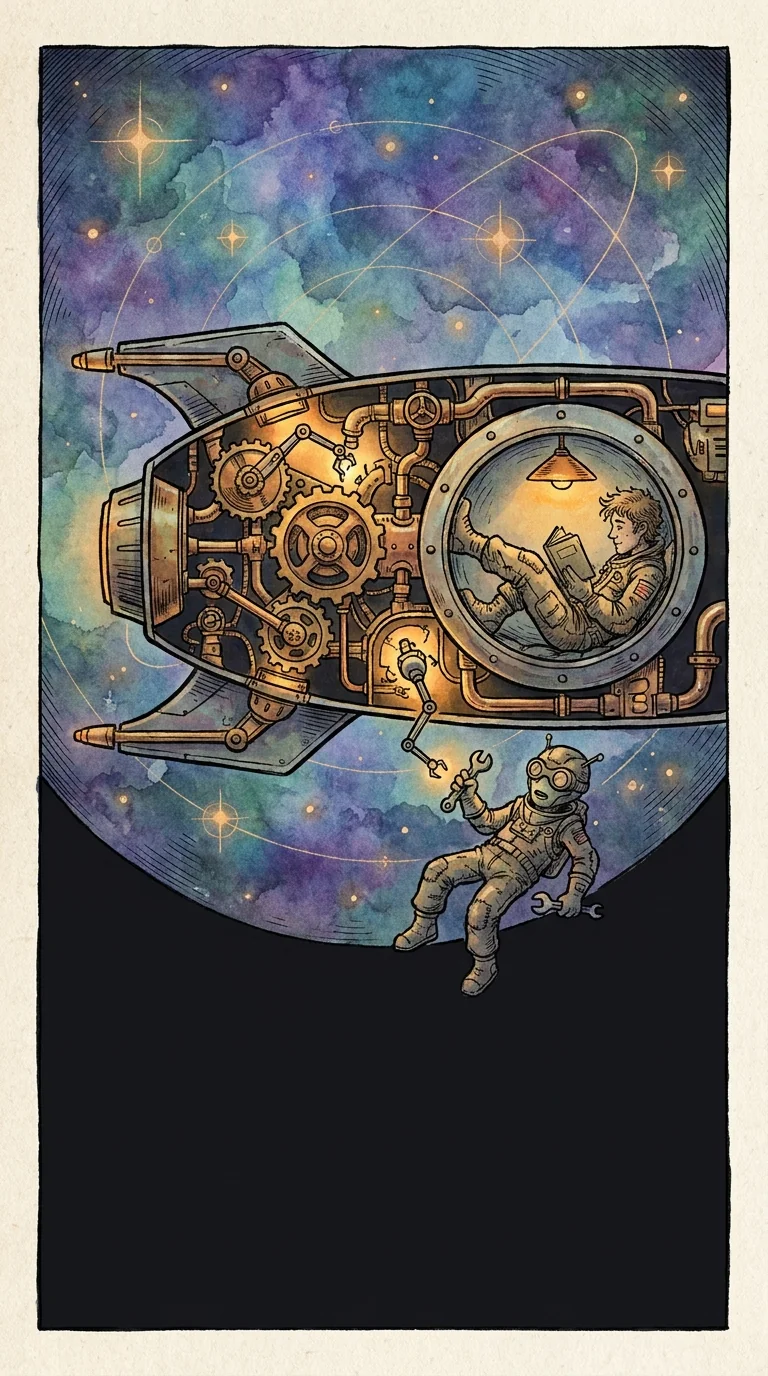
A system is a decision you made once, installed, and stopped re-making. Default responses, pre-set boundaries, automatic check-ins — these run whether your willpower shows up for work or not.
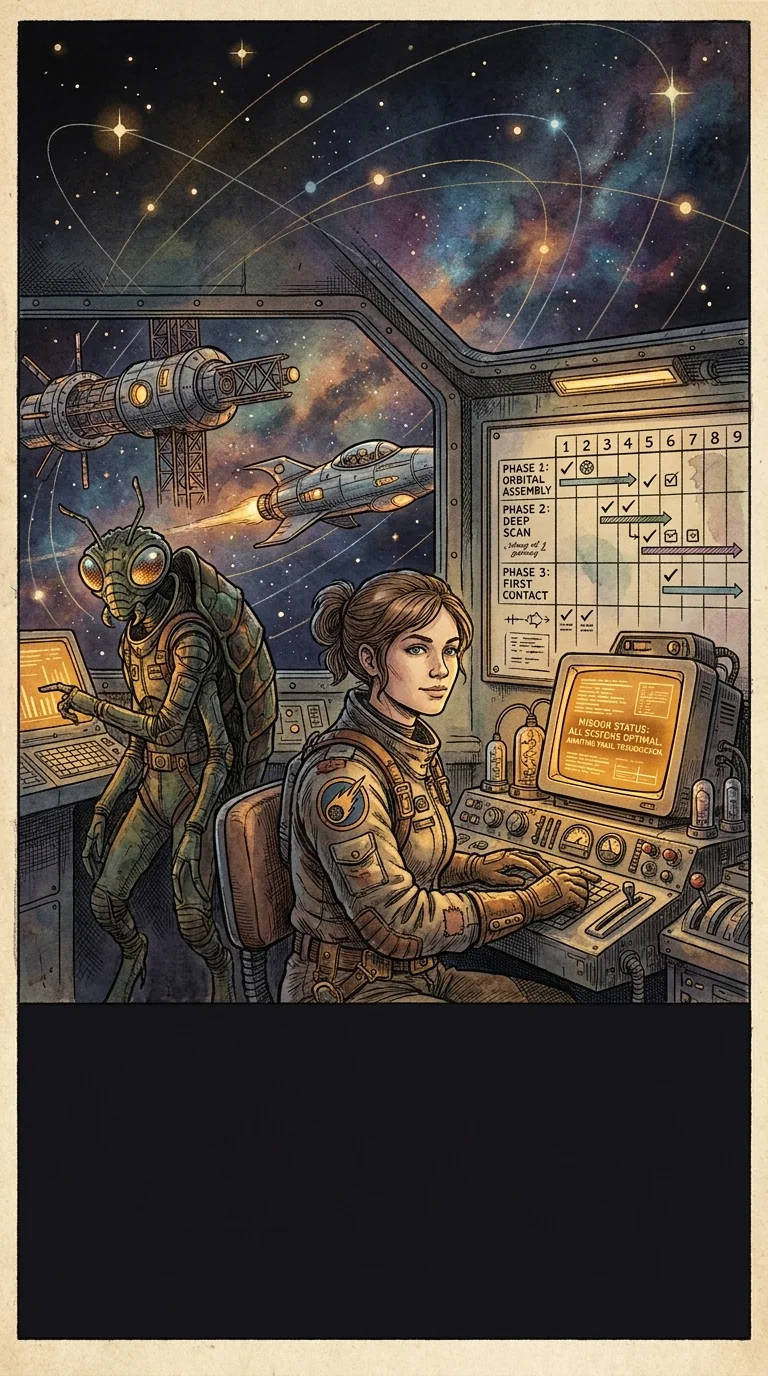
Lisa kept telling herself she'd push back on unreasonable deadlines. She never did — until she wrote one sentence into every project kickoff message: "What's the real cost if this slips a week?" The question ran itself. Her judgment finally showed up on time.
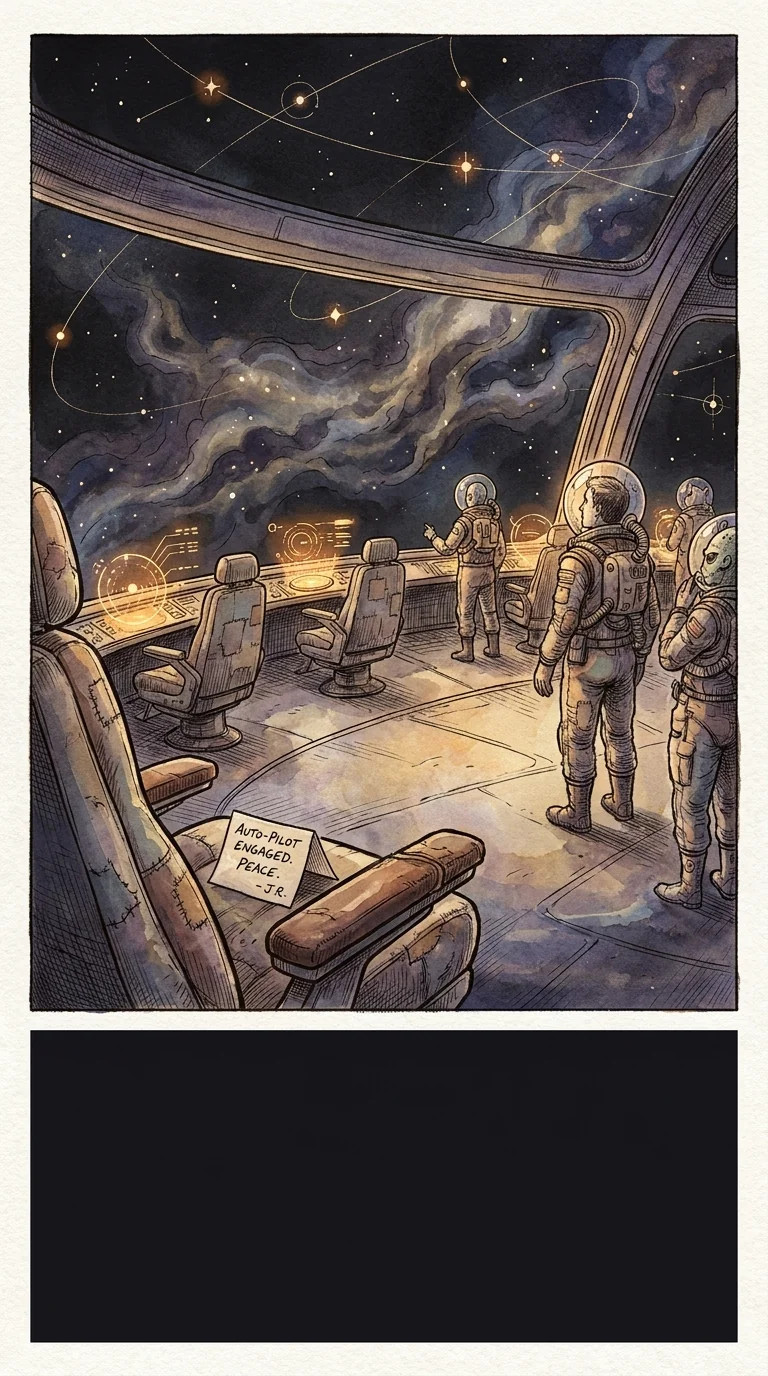
Willpower is a guest. Systems are crew. In Part 2, you'll practice building your own default responses — small installed systems that do the thinking when you're too spent to. See you there.
Part 2: Systems Over Willpower — Practice
+10 XP on completion

Good judgment shouldn't require you to be your best self at your worst moment. That's not a plan — that's a prayer with extra steps.
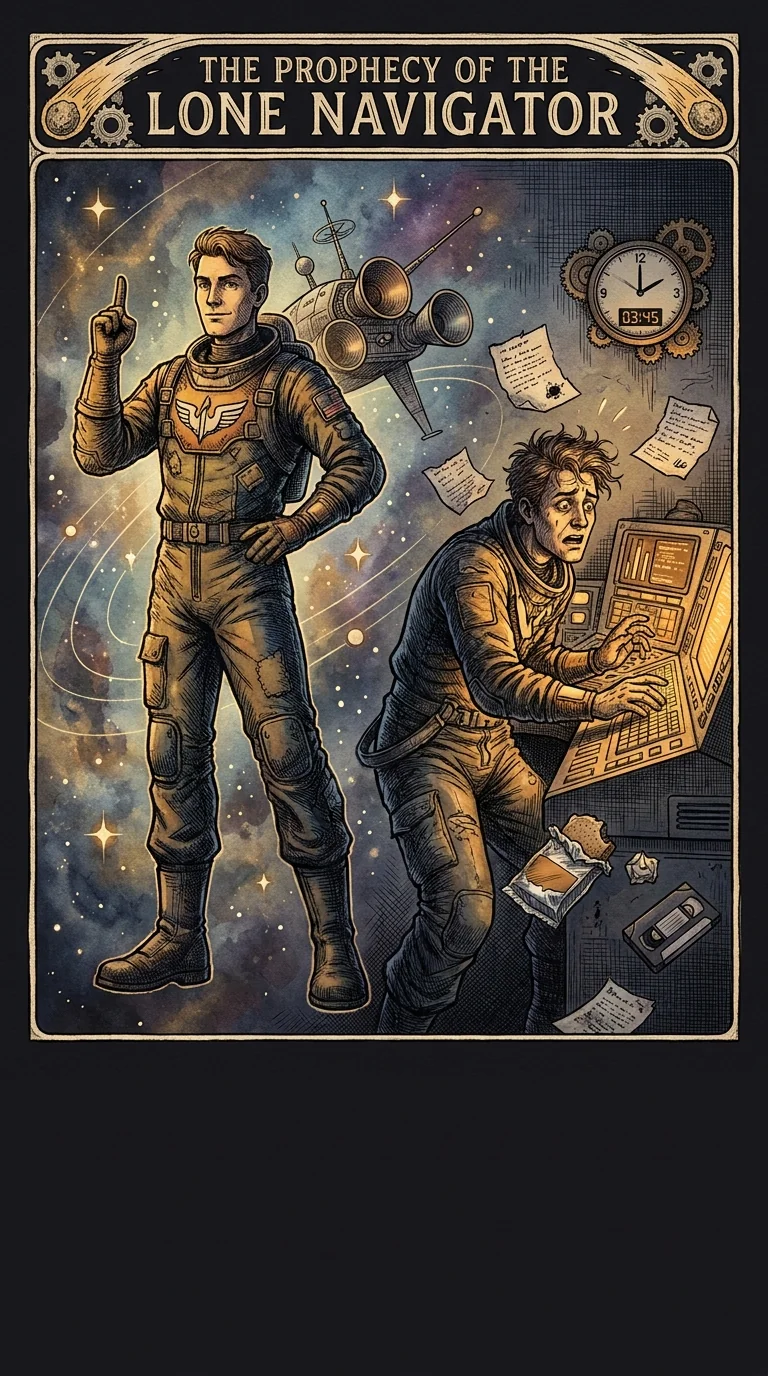
Every time you rely on willpower, you're betting that future-you will be sharper, calmer, and better-rested than present-you. Spoiler: future-you is also going to be hungry and running late.
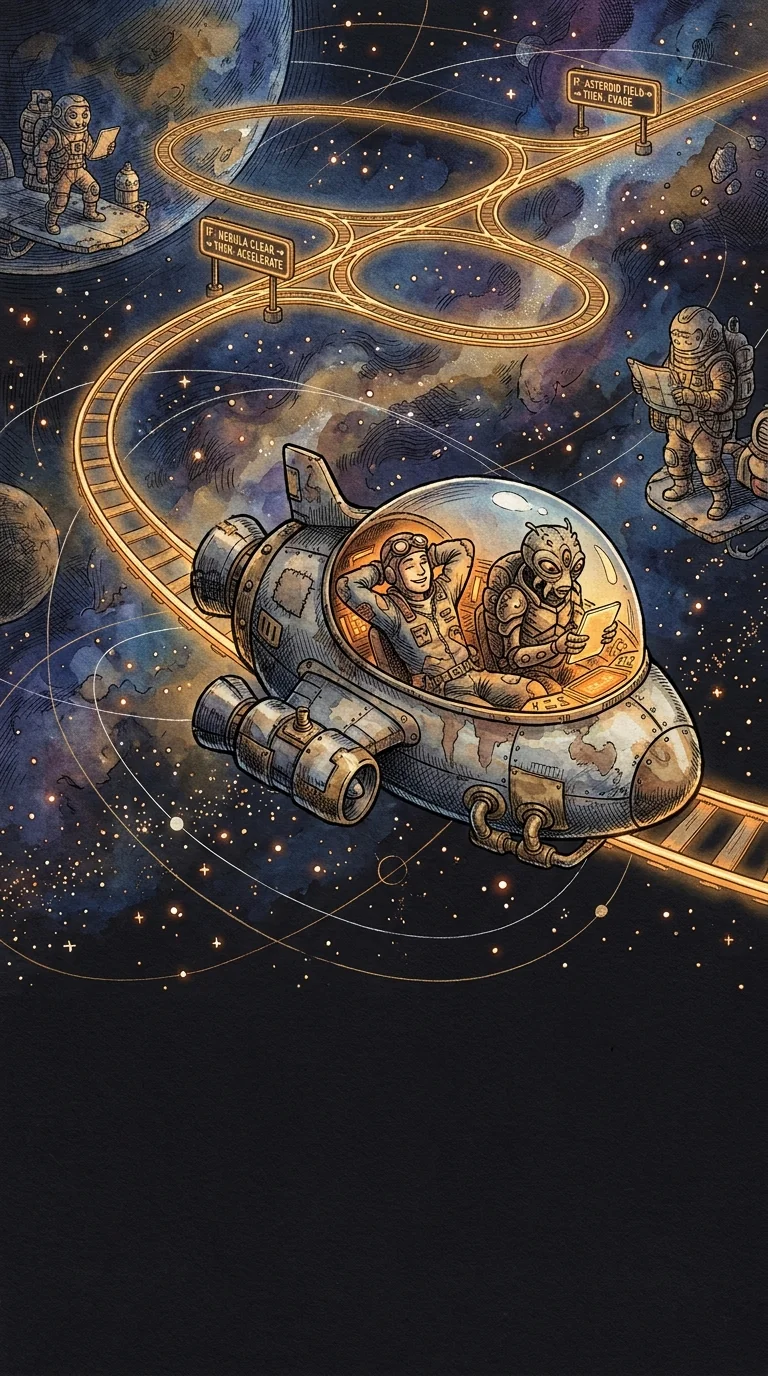
The technique is called the Decision Rail — a pre-built if/then track that carries your judgment through the moments when your brain would rather not show up. You build it once, when you're thinking clearly. It runs every time after that.

Pick one recurring decision that drains you. Write the trigger, write the default action, write the one exception that overrides it. Tape it where you'll see it before the moment arrives — not during. The rail works because it removes the negotiation.
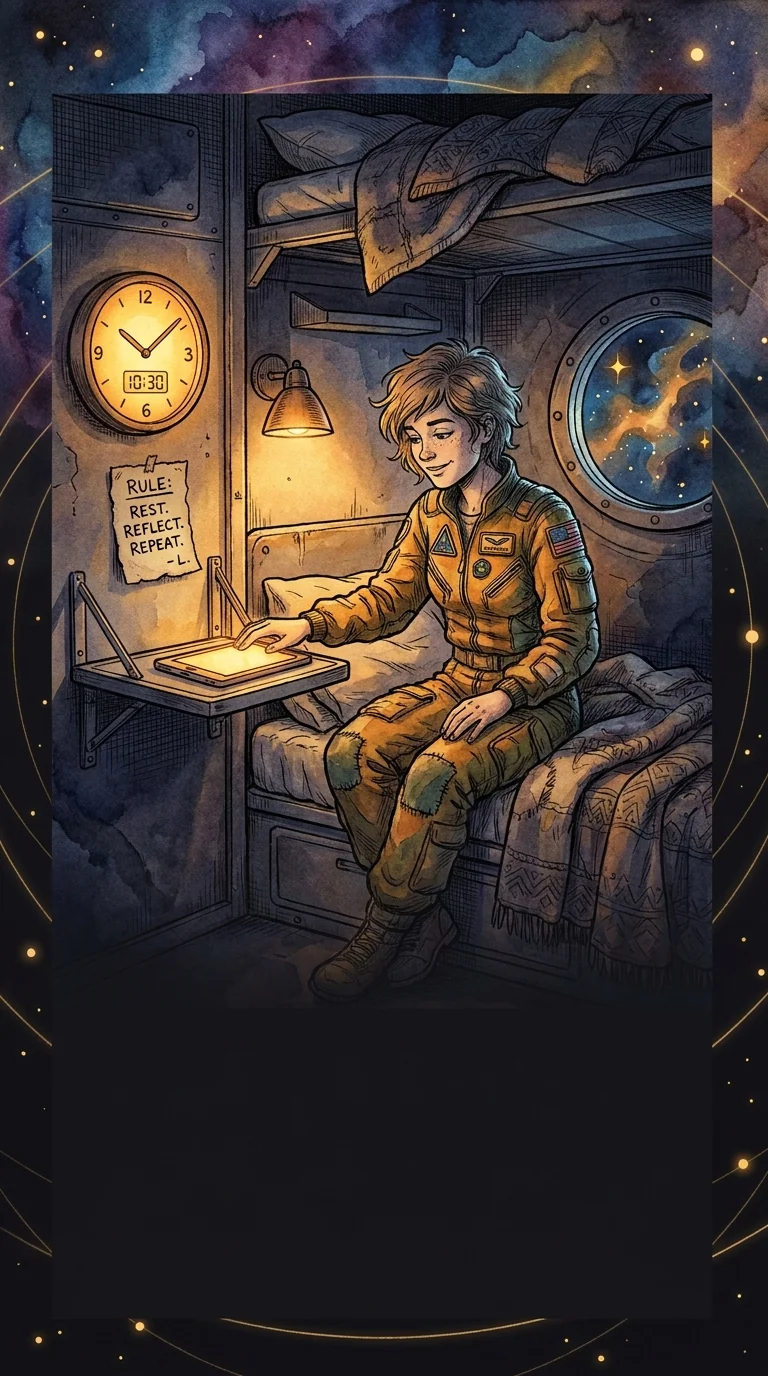
Lisa used to renegotiate her sleep schedule every night — just one more episode, just one more chapter. She installed a Decision Rail: screen off at 10:30, exception only for actual emergencies. Three weeks in, she stopped arguing with herself. The rail held so she didn't have to.
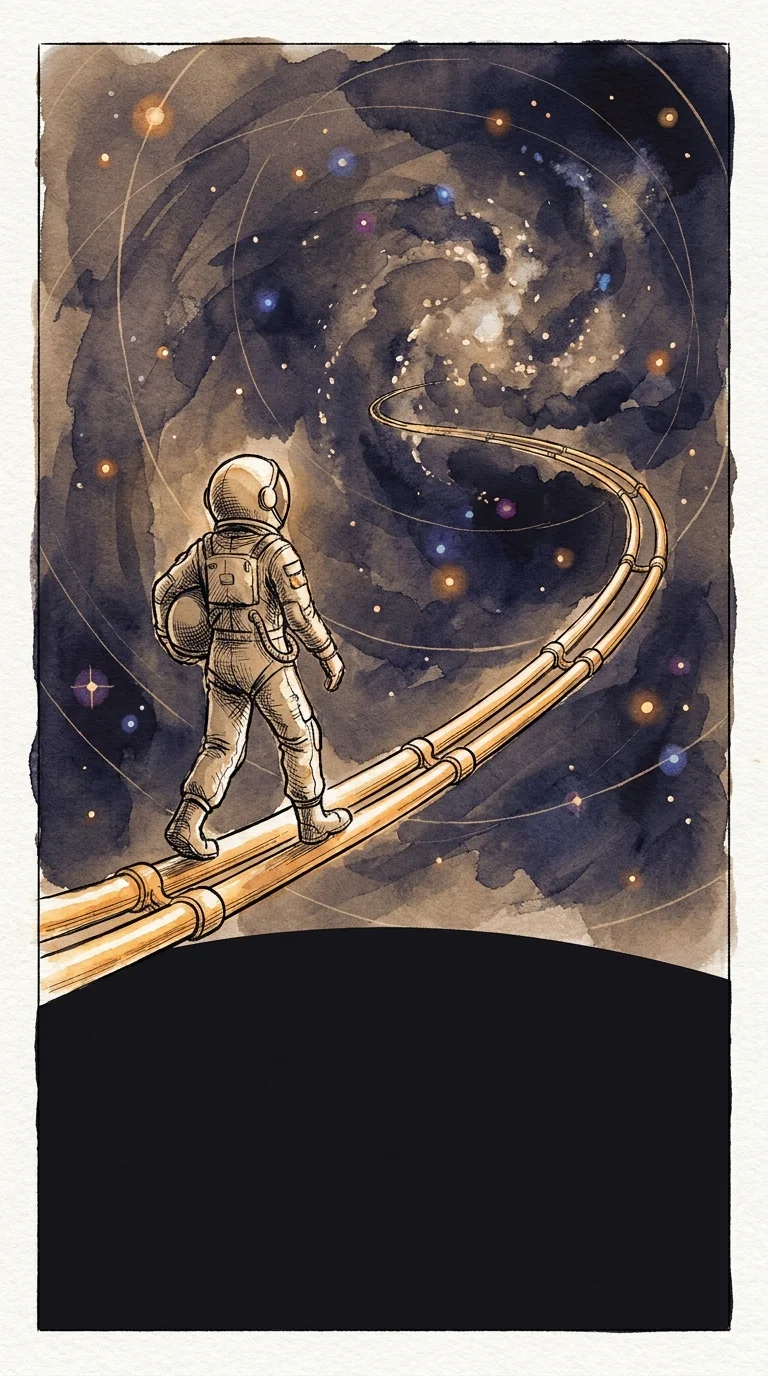
You don't need more discipline. You need fewer decisions that require it. Build one rail today — and let the system carry what willpower never could.