Week 3 Debrief: Slow Failure Is the Real Hull Breach
Nobody's afraid of the explosion. Explosions are dramatic — you notice them, you react, you rebuild. It's the slow leak that empties your oxygen tank while you sleep.
Part 1: Week 3 Debrief: Slow Failure Is the Real Hull Breach — Concept
+5 XP on completion

Nobody's afraid of the explosion. Explosions are dramatic — you notice them, you react, you rebuild. It's the slow leak that empties your oxygen tank while you sleep.
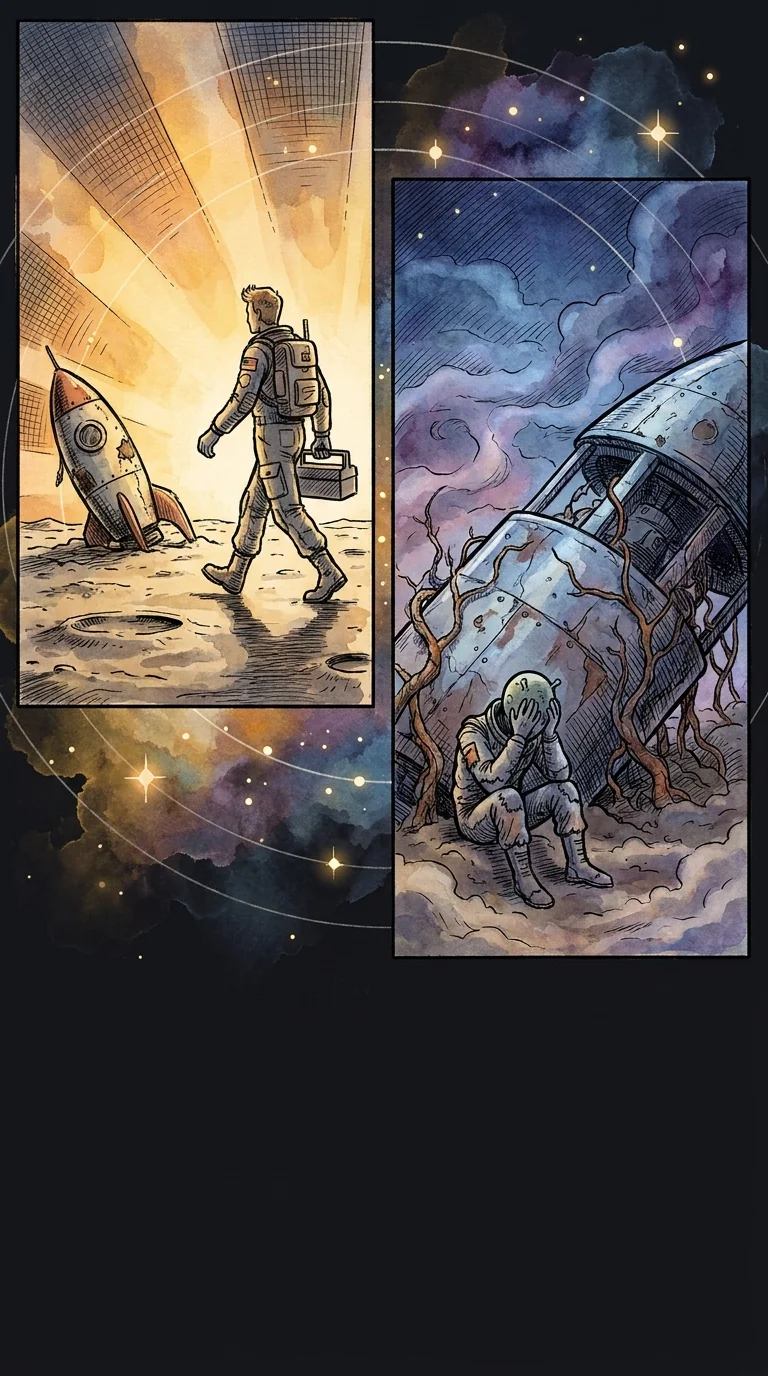
A project that fails in two weeks costs you two weeks. A project that fails in eight months costs you eight months, your savings, and the quiet conviction that maybe you just aren't good enough. One of those is a lesson. The other is a wound.

Slow failure doesn't announce itself. It disguises itself as persistence — as "just a little more time" and "we're so close." The hull breach isn't the moment you quit. It's the six months before that when every signal said stop and you called it grit.
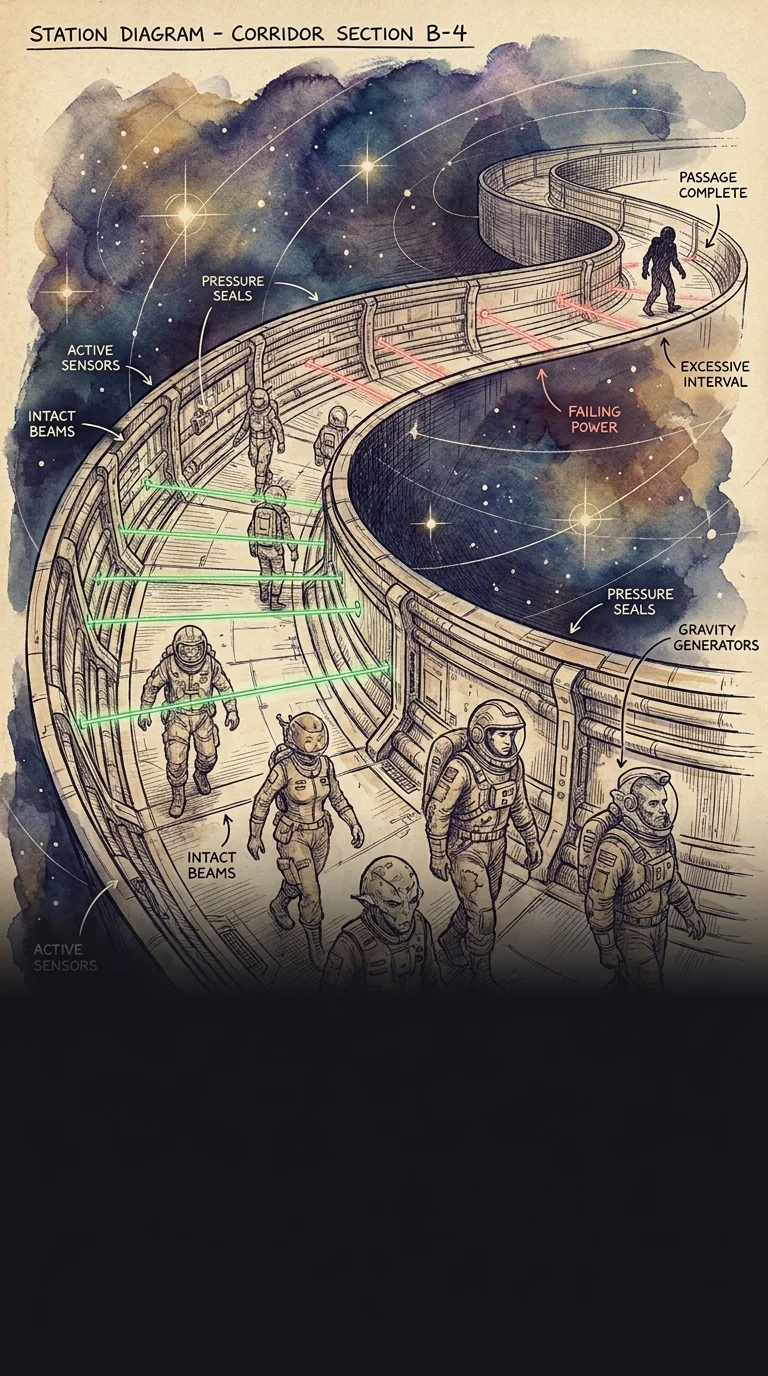
Fast failure has a mechanism: you set a tripwire, you hit it, you stop. Slow failure has one too — it just works against you. Each tiny sunk cost makes the next "one more week" feel rational. The trick isn't more courage. It's shorter tripwires.

Marcus spent eleven months building a freelance consulting practice that never broke past three clients. Every month he told himself the pipeline was "building." When he finally tallied the hours, he'd spent 400 of them on a business that earned less than a part-time retail gig. The failure wasn't the idea. It was the eleven months of not checking the math.

The kill criteria you set on Day 20 aren't pessimism — they're the smoke detector that wakes you before the whole compartment depressurizes. In Part 2, you'll run a slow-failure audit on your current projects and tighten the tripwires that matter. See you there.
Part 2: Week 3 Debrief: Slow Failure Is the Real Hull Breach — Practice
+10 XP on completion

A fast failure stings and teaches. A slow failure just quietly eats the oxygen in the room until you wonder why you can't breathe.
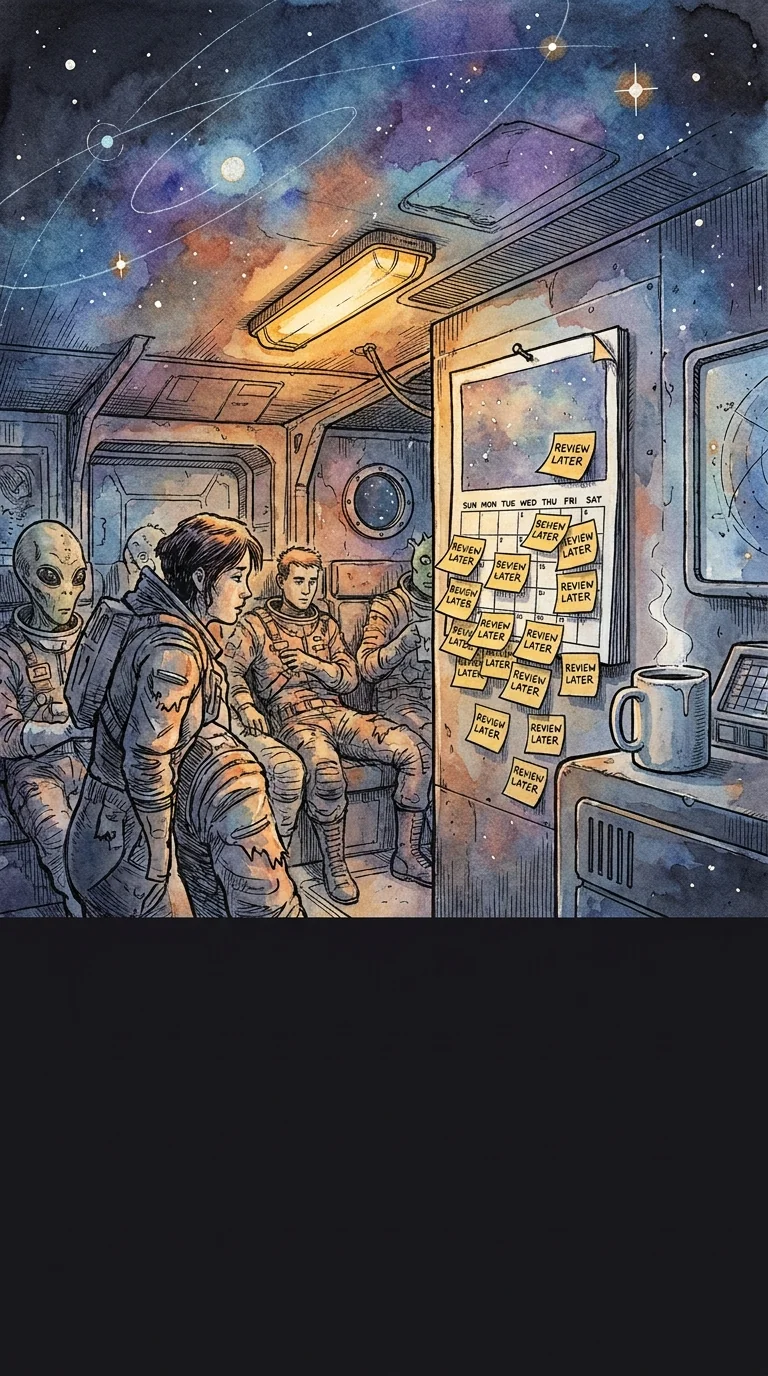
Most slow failures survive because nobody scheduled a moment to actually check. The project drifts, the side hustle bleeds money, the relationship flatlines — and every week you say you'll reassess "soon."

The fix is almost embarrassingly simple: a scheduled diagnostic. Pick a recurring time — weekly, biweekly — and run everything that matters past a single honest question. We'll call it the Hull Breach Scan.

Here's how it works. For each active project or commitment, ask: "If I were starting fresh today, would I sign up for this again — knowing what I know now?" If the answer is no, you've found your slow leak. Apply the kill criteria you built yesterday, or set a hard deadline to decide.

Maria ran her first Hull Breach Scan on a Sunday morning. Three projects, three honest answers. Two passed. The third — a freelance client who paid late and changed scope weekly — had been draining her for five months. She sent the termination email before lunch. Her Monday felt like a different planet.
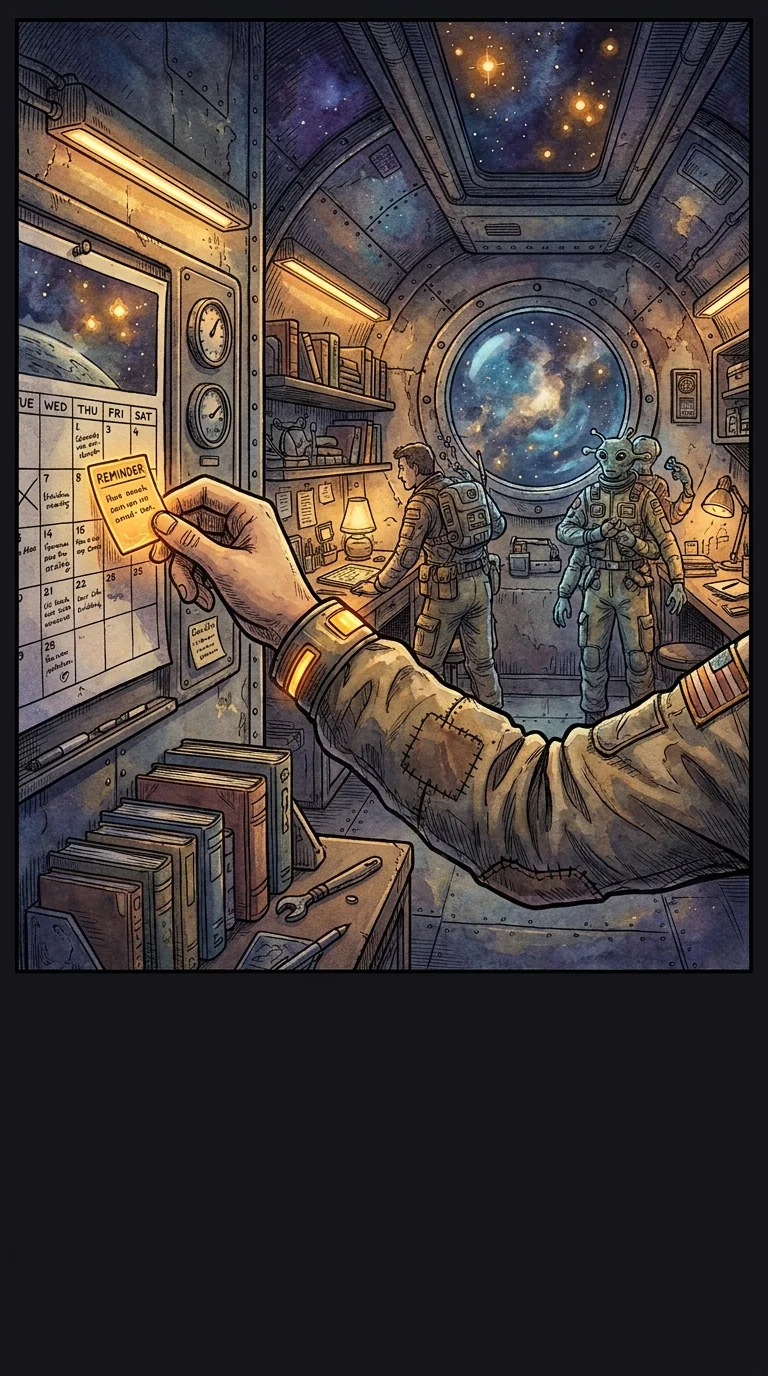
Put your first Hull Breach Scan on the calendar — this week, a real time slot, not "soon." The leaks you catch early are the ones that never sink you.