The One-Page Decision
Marcus had a fourteen-page analysis on whether to accept the new post. Fourteen pages — and he still couldn't decide.
Part 1: The One-Page Decision — Concept
+5 XP on completion
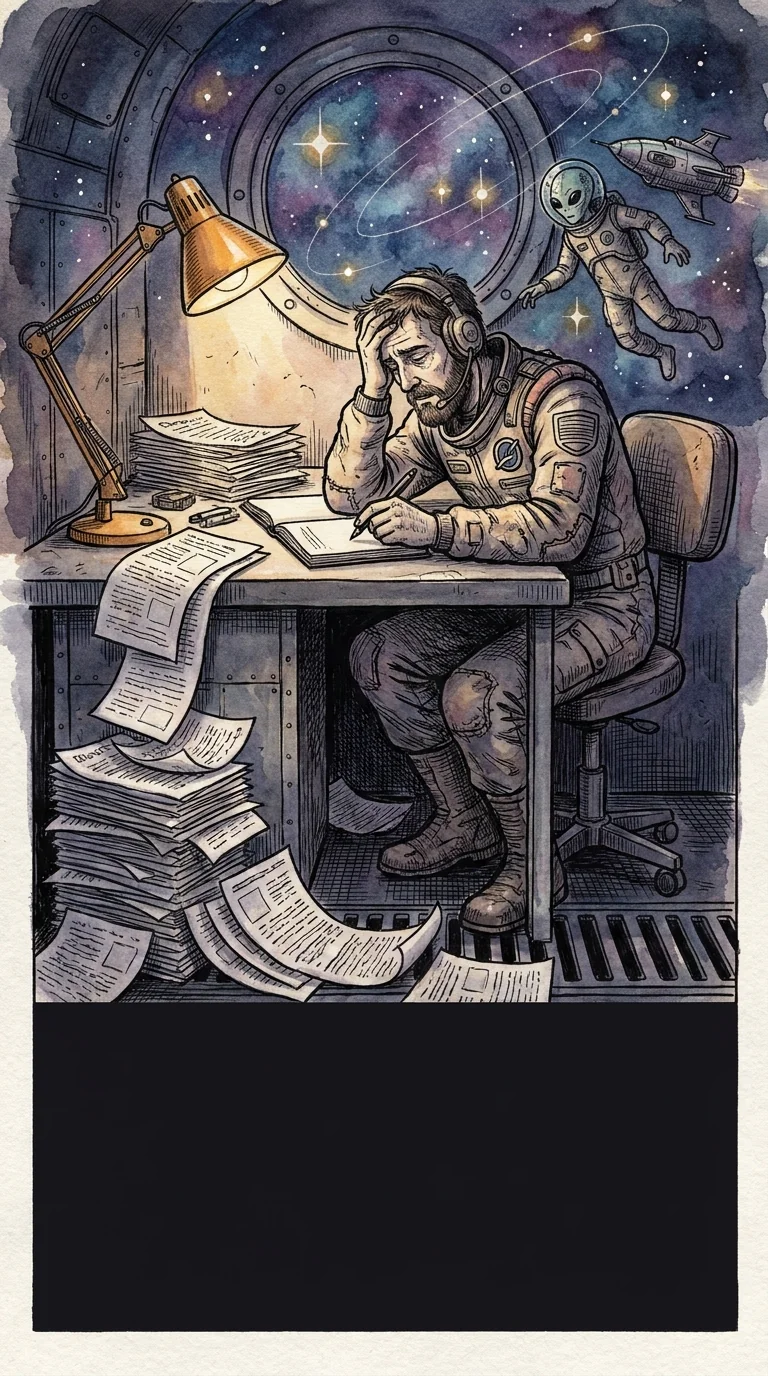
Marcus had a fourteen-page analysis on whether to accept the new post. Fourteen pages — and he still couldn't decide.
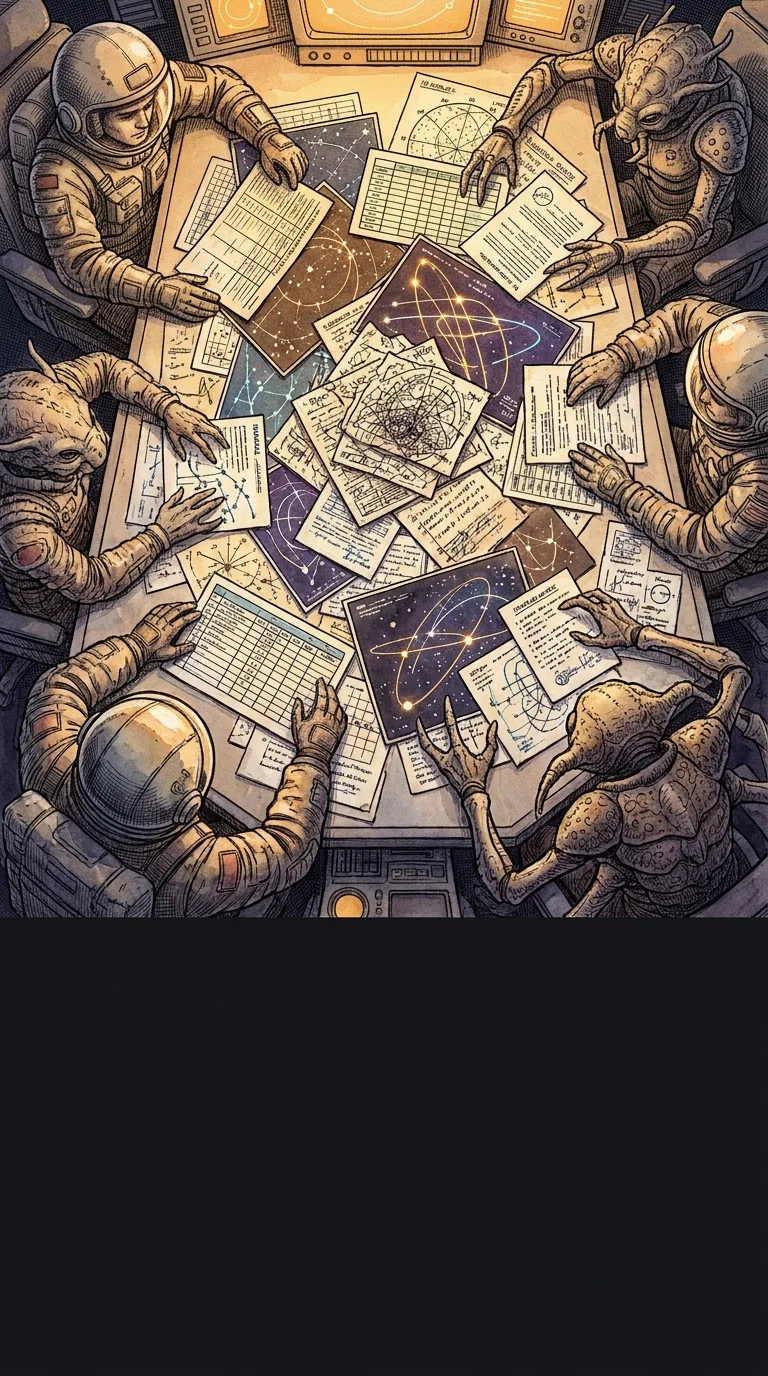
When a decision feels impossibly complex, the instinct is to add more information. More data, more scenarios, more sub-bullets — as if volume will eventually produce clarity. It won't.
If you can't fit your decision on one page, that's not a complexity problem. It's a clarity problem wearing complexity's coat.
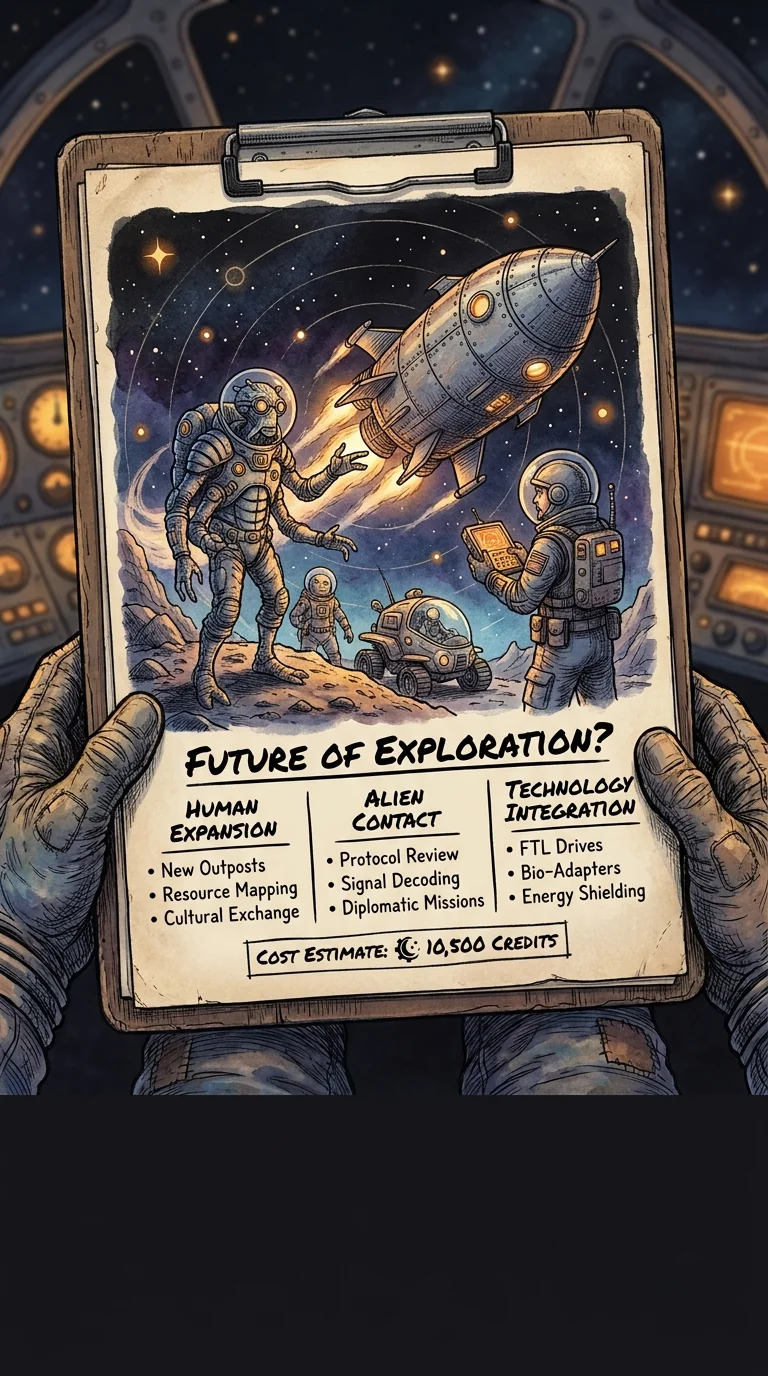
One page forces you to name the actual question, the two or three options that matter, what you'd need to believe for each one to work, and what you're trading away. Everything else is decoration.

Marcus threw out thirteen pages. What remained was one question, two real options, and the thing he'd been avoiding admitting he'd lose either way. He made the call in twenty minutes.
Brevity isn't about dumbing it down — it's about finding out what you actually think. In Part 2, you'll practice compressing a real decision onto a single page. See you there.
Part 2: The One-Page Decision — Practice
+10 XP on completion
If your decision needs more than one page to explain, you haven't actually made the decision yet. You've just described the weather around it.
The usual move is to keep adding sections — more context, more caveats, more appendices — until the document feels thorough. But thorough and clear are different species, and only one of them helps you act.
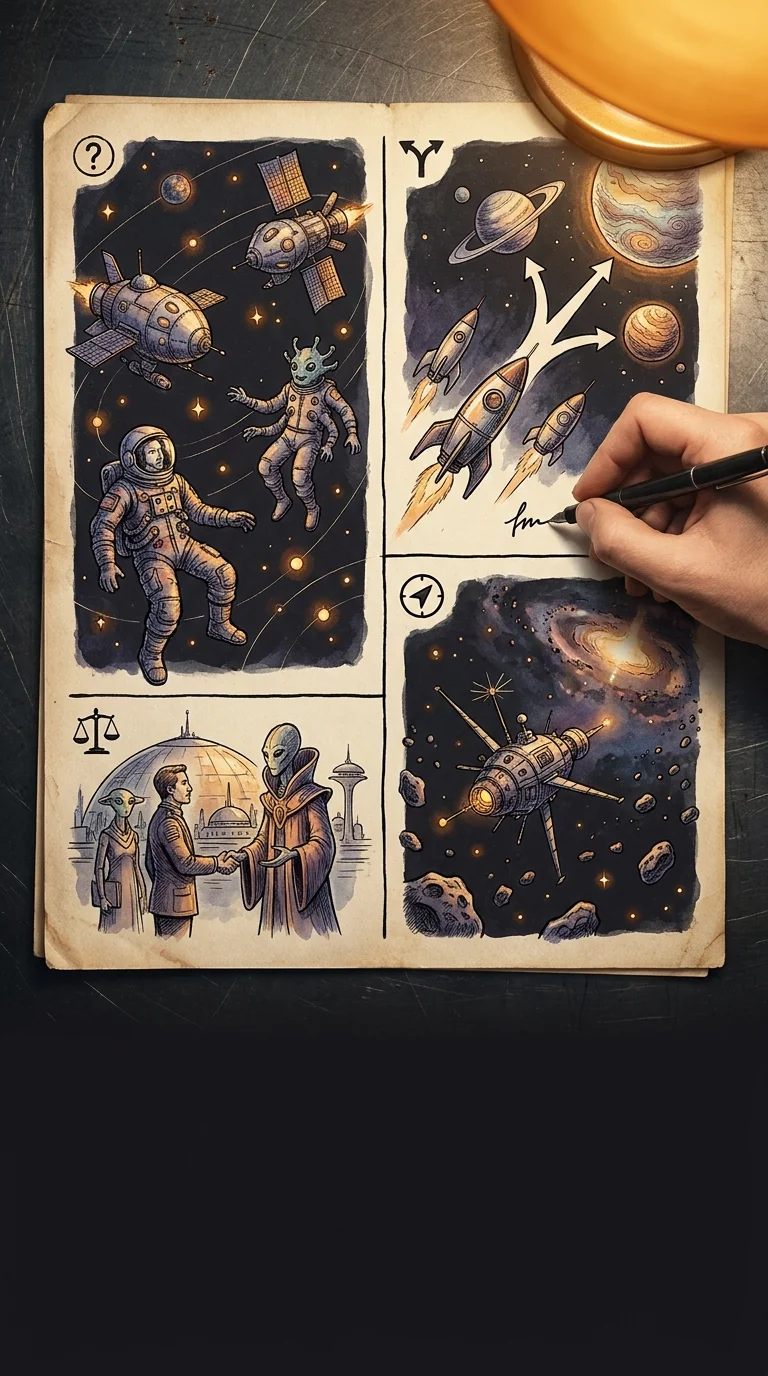
The technique is called the Decision Brief. One page. Four boxes. Everything that matters, nothing that doesn't. If a piece of information doesn't change what you'd choose, it doesn't earn a spot.
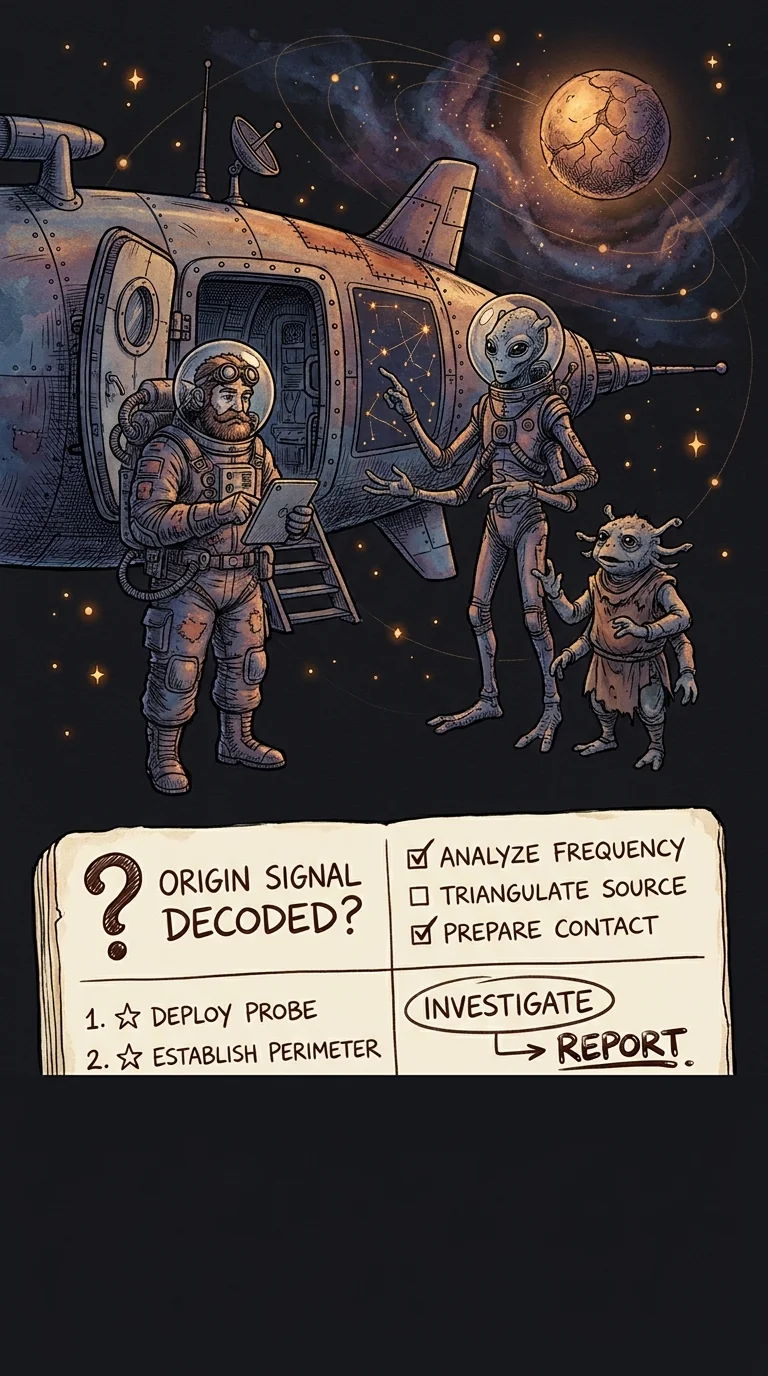
Box one: the actual question you're deciding — stated as a question, not a topic. Box two: your options, maximum three. Box three: what matters most — two or three criteria, ranked. Box four: your call, and the first action that follows it. That's it. Anything else is decoration.
Maria spent three weeks on a fourteen-page analysis of whether to relocate her team. Then she tried the Decision Brief. Twenty minutes later she had her answer — and realized the other thirteen pages had been a very elaborate way of avoiding it.
Next time a decision feels impossibly tangled, give it one page. Not because the situation is simple — but because your thinking deserves to be. The constraint isn't a cage. It's a lens.