Writing Is Thinking (Most Cockpits Are Quiet for a Reason)
You've had a brilliant idea — luminous, fully formed, practically vibrating in your skull. Then someone asks you to explain it, and what comes out sounds like a ransom note written by a raccoon.
Part 1: Writing Is Thinking (Most Cockpits Are Quiet for a Reason) — Concept
+5 XP on completion

You've had a brilliant idea — luminous, fully formed, practically vibrating in your skull. Then someone asks you to explain it, and what comes out sounds like a ransom note written by a raccoon.

Your brain is a generous liar. It fills in the gaps of half-finished thoughts with confidence, smoothing over the logical potholes so everything feels road-tested — right up until you try to put it on paper.

Writing isn't the step after thinking. Writing is the thinking. The act of putting words on a page forces your ideas through a narrow airlock — and only the ones with real structure survive the transfer.

Here's the mechanism: writing externalizes your logic so you can finally see it from the outside. Gaps you couldn't detect while the idea lived rent-free in your head become obvious the moment they hit a page. That discomfort? That's the point.
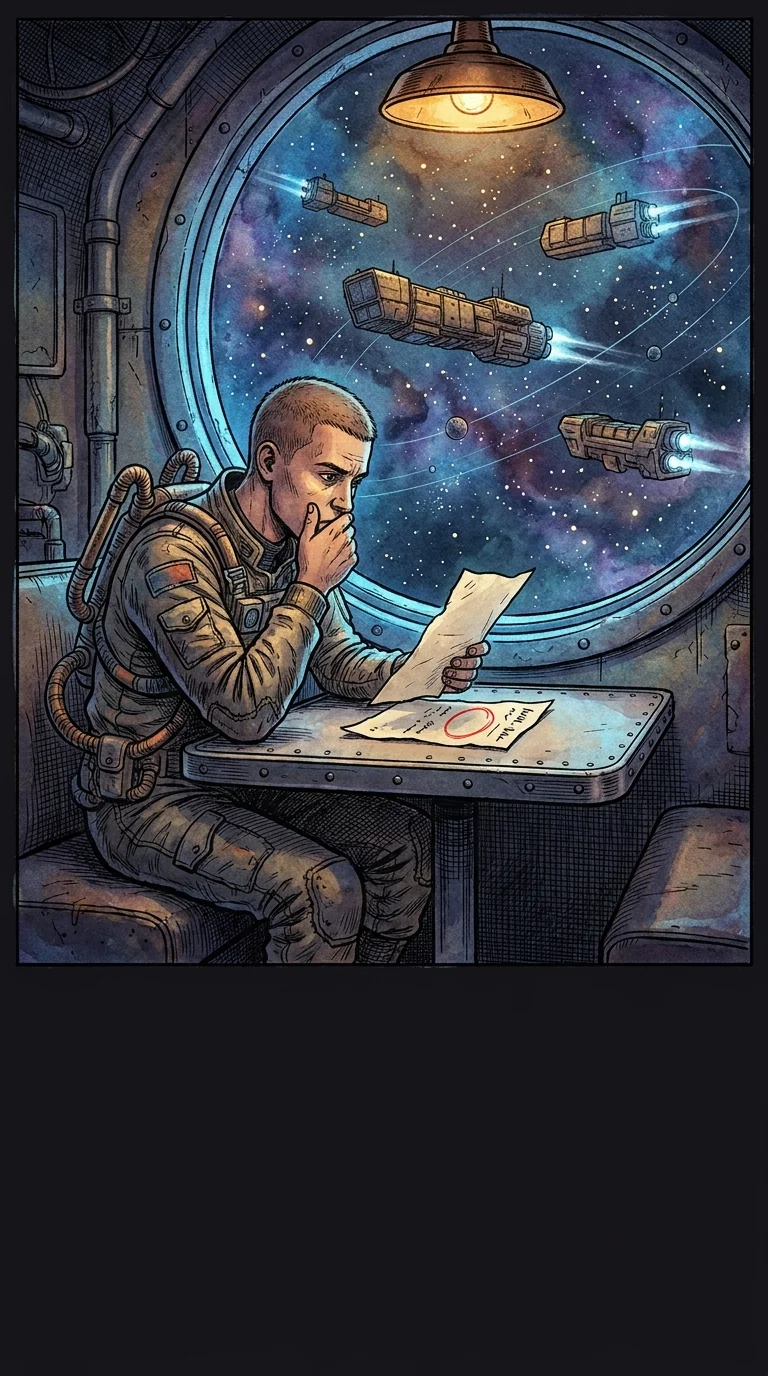
Marcus spent two weeks telling his crew he had the supply-route problem solved. When his captain finally said "write it down," he sat for forty minutes and produced one paragraph — with a hole in it wide enough to fly a freighter through. Embarrassing? Sure. But he fixed it in an hour. The version that lived only in his head would've failed on launch day.

The quiet cockpit isn't quiet because nothing's happening — it's quiet because the real work is being written down, not just rattled around. In Part 2, you'll practice a ten-minute writing exercise that turns your foggiest idea into something you can actually see. See you there.
Part 2: Writing Is Thinking (Most Cockpits Are Quiet for a Reason) — Practice
+10 XP on completion

Your ideas feel brilliant right up until you try to write them down. That's not a bug — that's the diagnostic running.
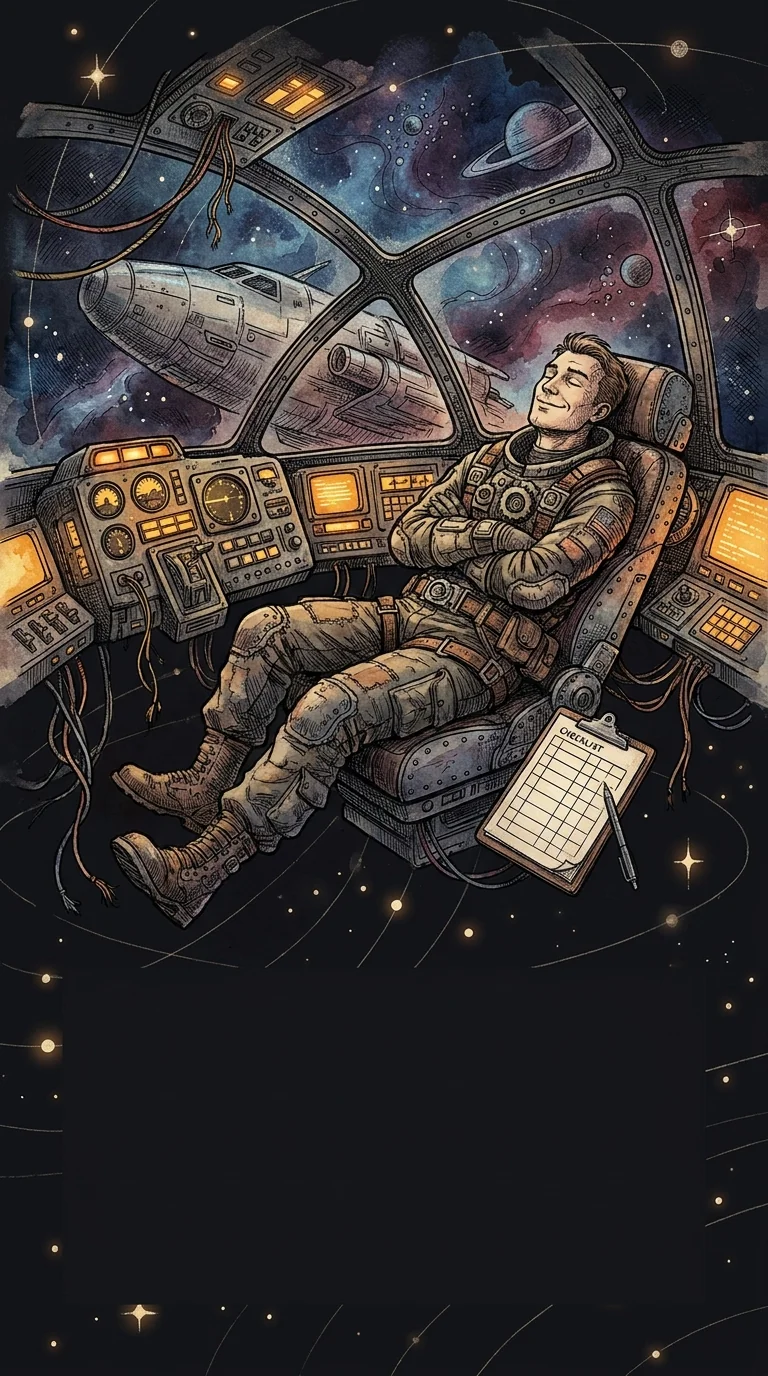
Most decisions get made in somebody's head, defended out loud, and never tested on paper. Which is like running pre-flight checks by closing your eyes and hoping real hard.

The fix is stupidly simple. It's called the Clarity Draft — ten minutes, one page, no editing. You write what you think you know, and the gaps introduce themselves.
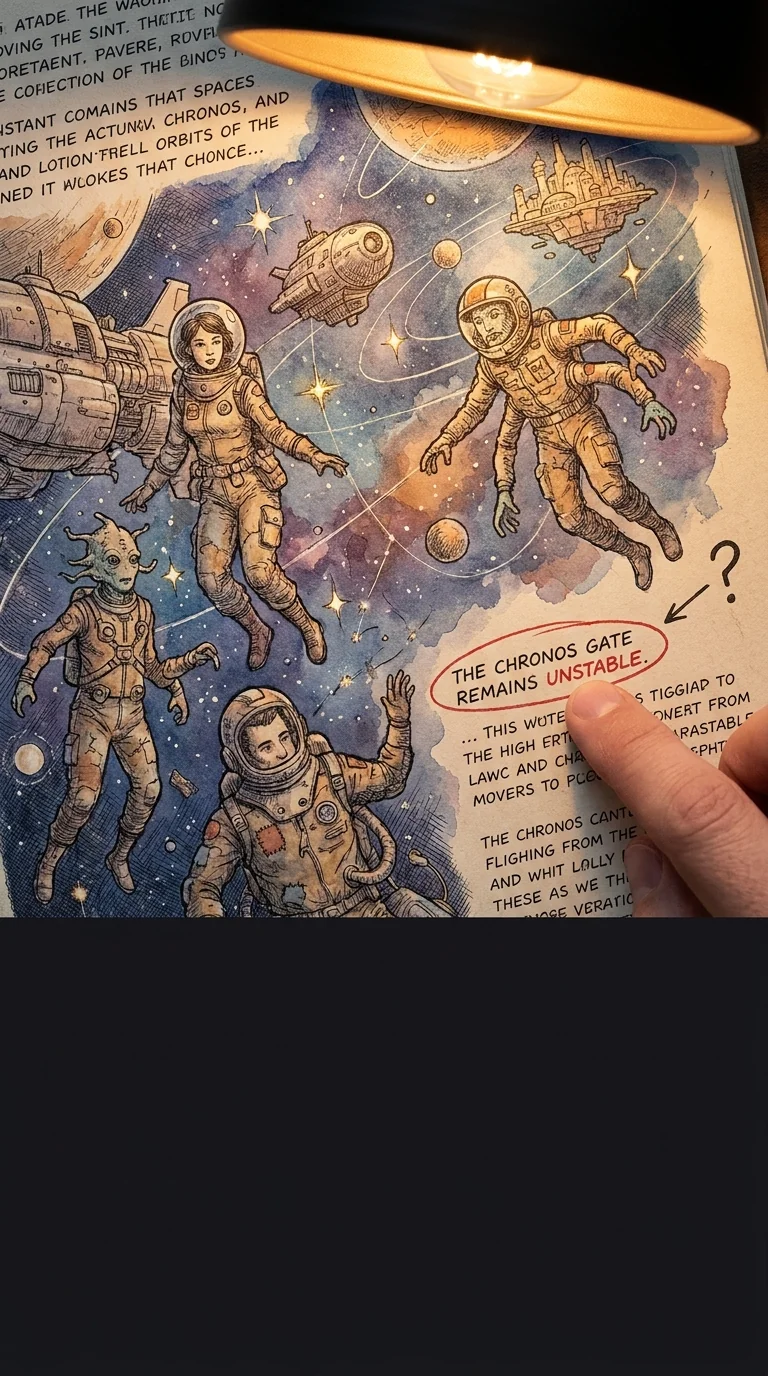
Here's how it works: pick a decision or idea you're sitting on. Set ten minutes. Write — in full sentences, not bullet points — what you'd tell someone who asked you to explain it. When you hit a spot where you write 'and then it just sort of works,' congratulations — you found the gap.

Lisa spent a week telling colleagues her restructuring plan was solid. Then she sat down and wrote it out in full sentences. Three paragraphs in, she found two assumptions she couldn't actually defend. Ten minutes of writing saved her from a month of cleaning up a bad call.

You don't need more thinking time. You need ten minutes and a blank page. The gaps were always there — now you've got a way to see them before they see you.