The Three Small Wins Rule
You've got a big project due. So you open your planner, stare at it for forty minutes, and then reorganize your desk. Somehow that felt like progress.
Part 1: The Three Small Wins Rule — Concept
+5 XP on completion
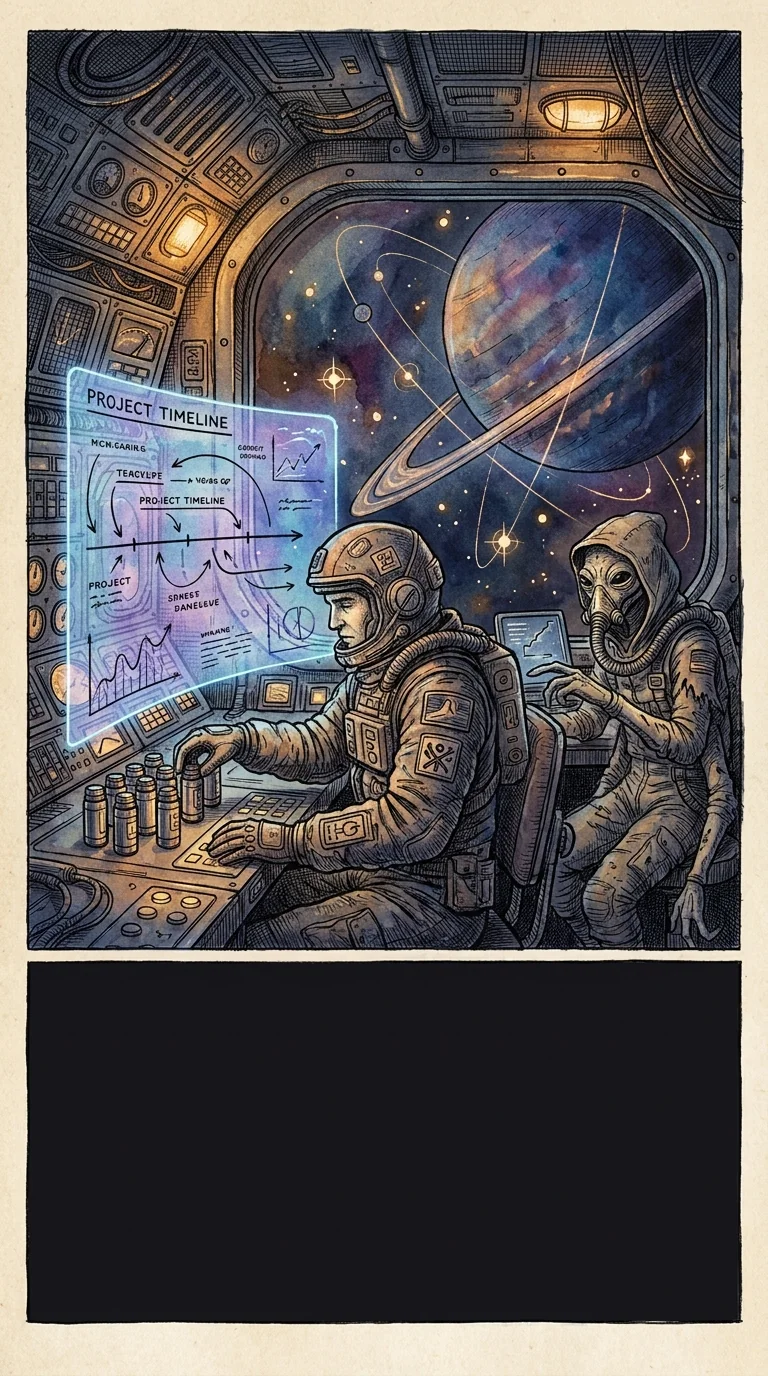
You've got a big project due. So you open your planner, stare at it for forty minutes, and then reorganize your desk. Somehow that felt like progress.
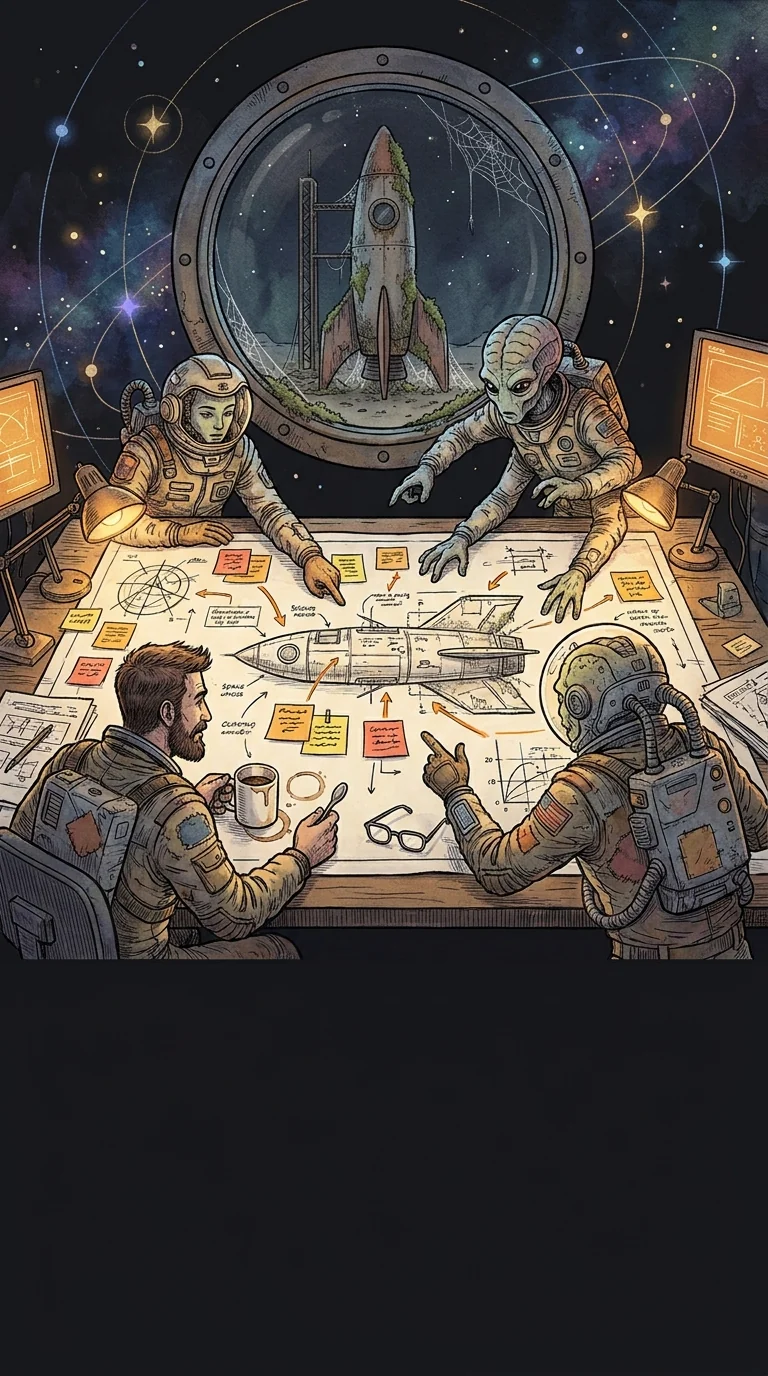
Planning is a fantastic way to avoid doing. You can spend an entire afternoon building a color-coded launch sequence for a thing you never actually launch.
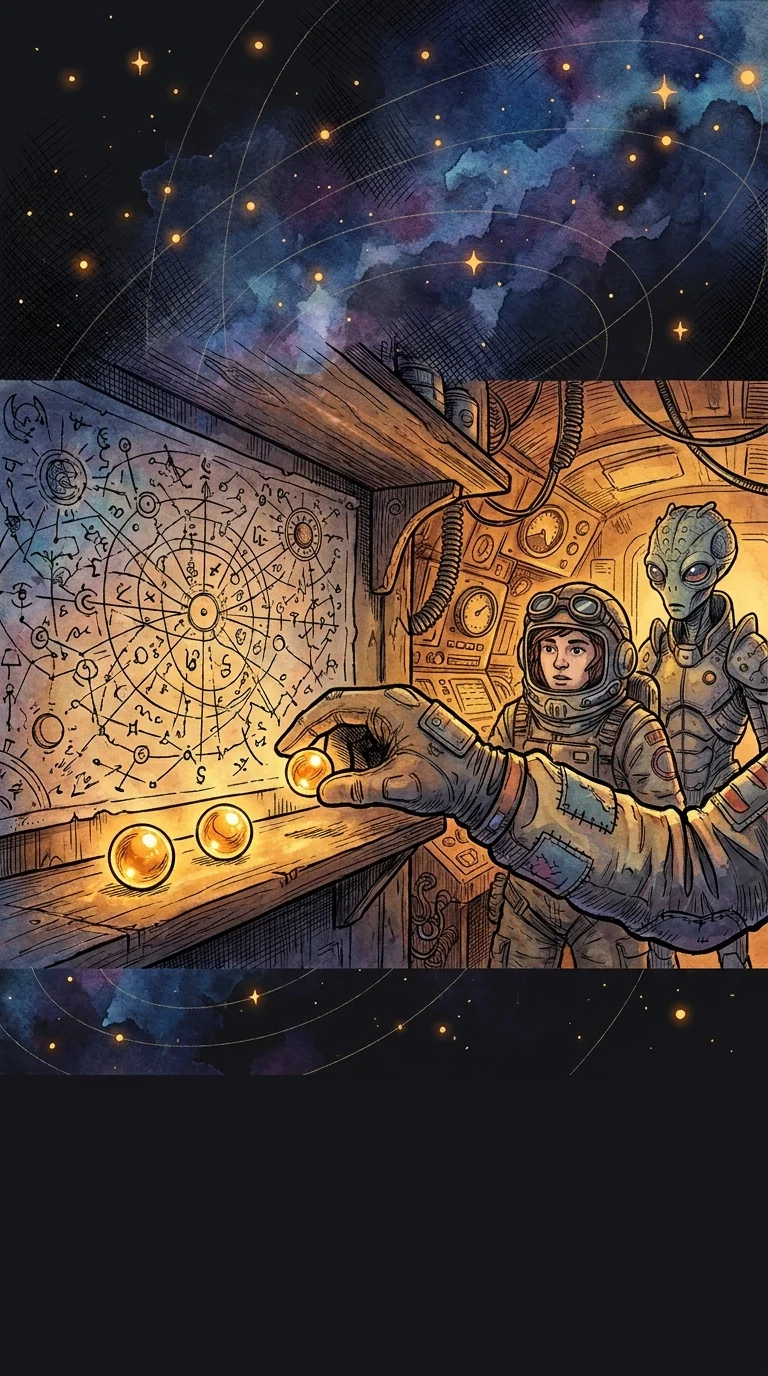
Here's what nobody admits: starting doesn't require a plan. It requires motion. Three small wins in thirty minutes will teach you more about the project than three hours of strategizing ever could.
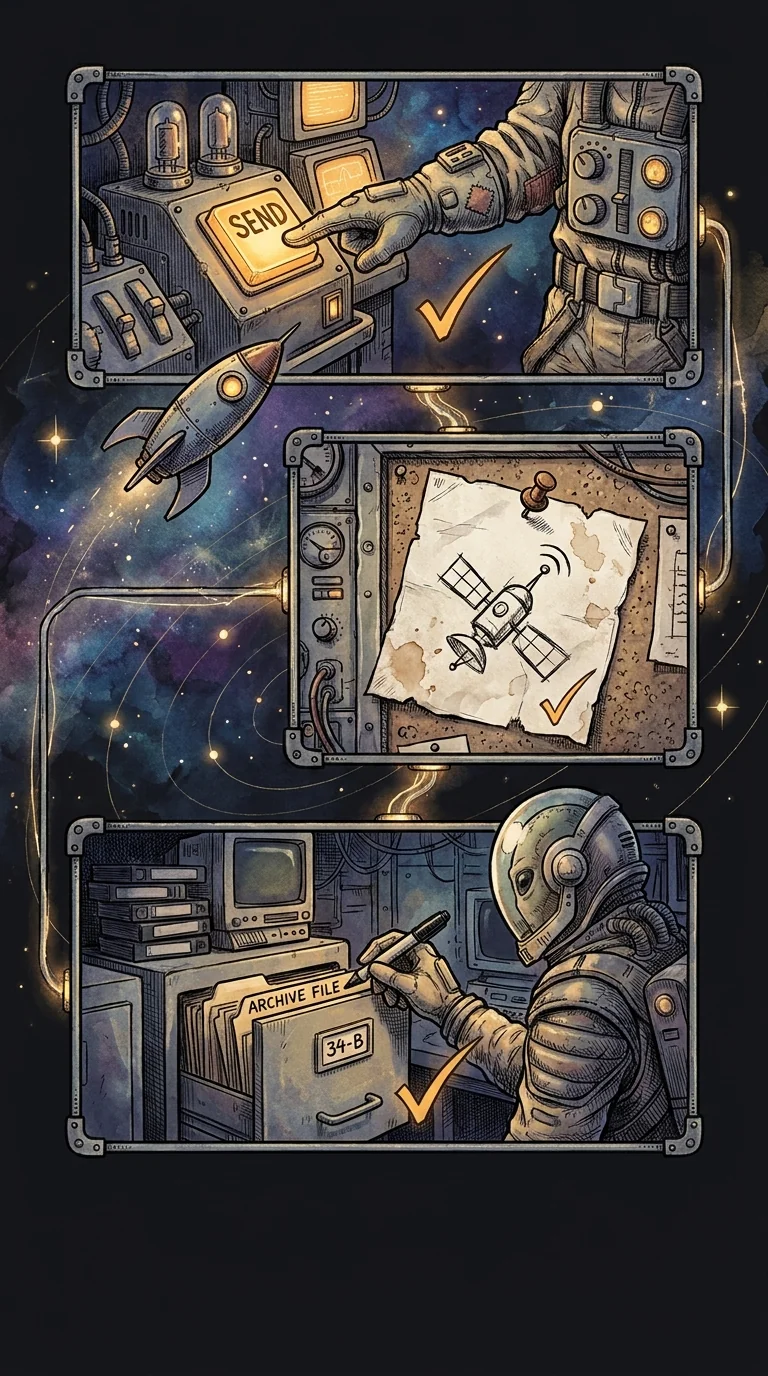
Pick three things you can finish in ten minutes each. Send the email. Sketch the outline. Name the file. Each tiny completion rewires your brain from "overwhelmed" to "moving." Momentum doesn't come before action — it's a byproduct of it.

Marcus had a proposal due Friday. Monday through Wednesday, he "planned." Thursday morning he panicked, set a timer for thirty minutes, and knocked out three small pieces — the intro paragraph, the budget table, the subject line. By the time the timer rang, he'd written half the thing. Funny how that works.
Starting is the work. Not preparing to start. Not thinking about starting. The actual starting part. In Part 2, you'll practice picking your own three small wins and running the thirty-minute clock. See you there.
Part 2: The Three Small Wins Rule — Practice
+10 XP on completion
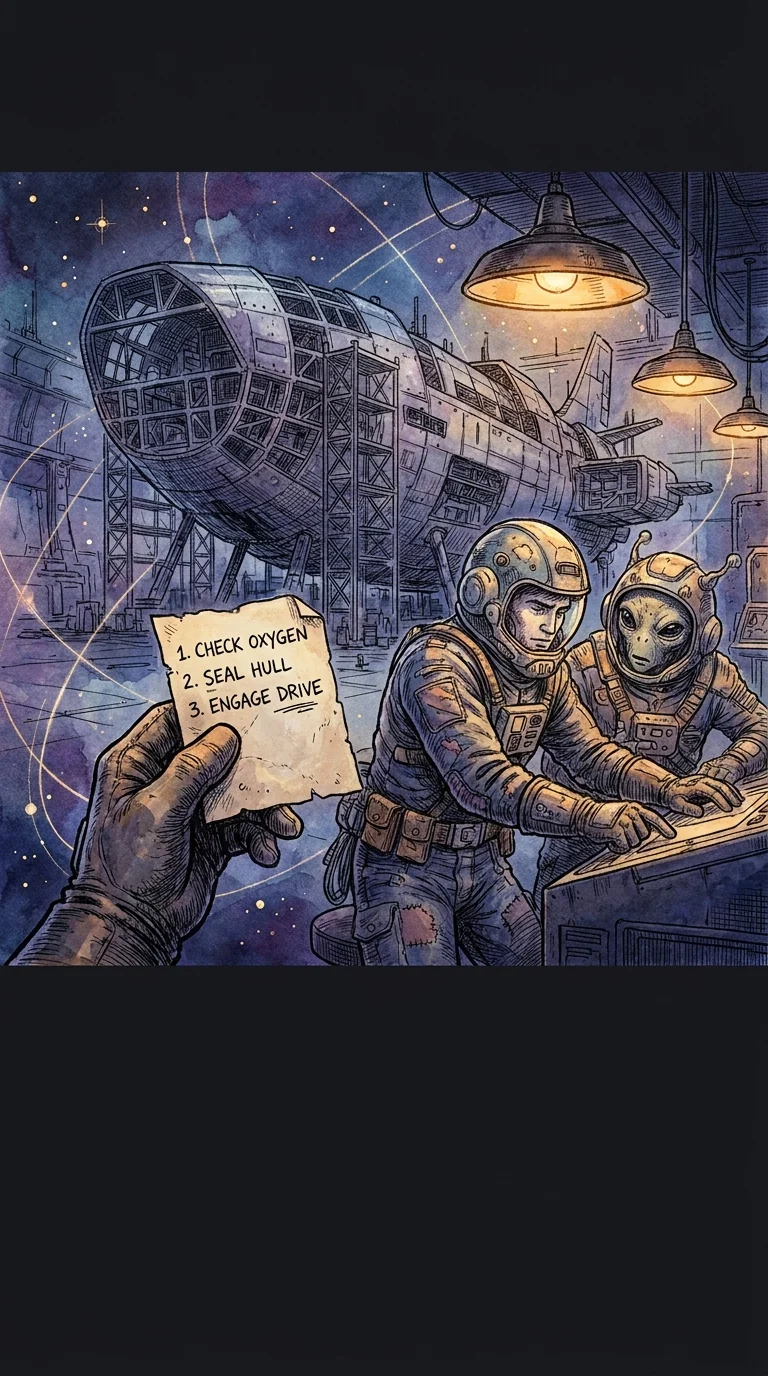
You don't need a plan. You need three small things you can finish in thirty minutes — because starting is the work, and the work has a name.
The usual move: stare at the giant project, feel the weight of everything undone, then open a second browser tab and pretend that counts as research. An hour later you've started nothing.
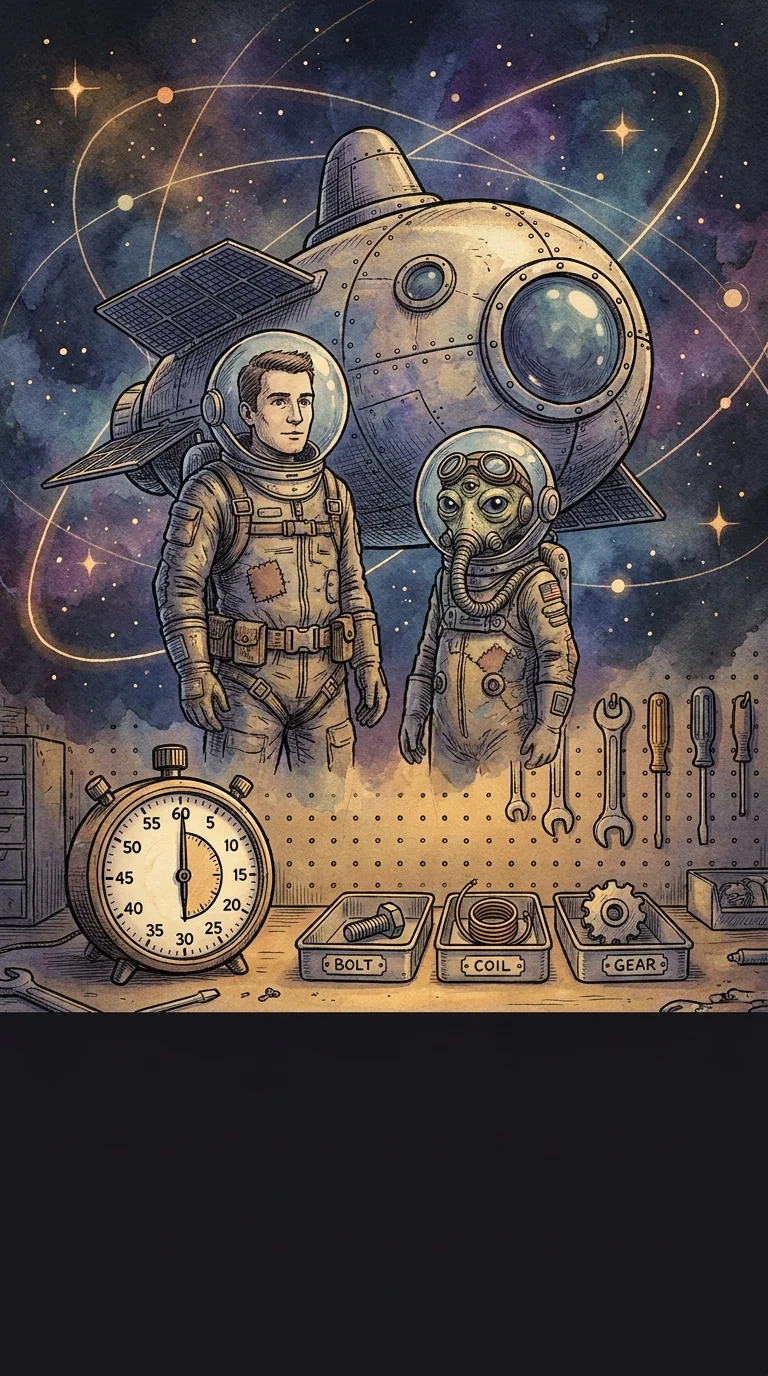
The technique is called the Three Small Wins Sprint. Set a timer for thirty minutes. Pick three tasks so small they almost feel embarrassing — then finish all three before the timer runs out.

Here's why it works: each finished task generates a small chemical reward in your brain. Three rewards in thirty minutes rewires your relationship with the project from dread to momentum. You're not planning anymore — you're mid-flight.

Maria had a grant proposal due in two weeks and hadn't written a word. She set the timer and picked three wins: name the file, write the one-sentence summary, list the three section headers. Done in eleven minutes. She kept going for two hours — because she'd already started, and starting was the only hard part.

Tomorrow you'll have another big thing you're avoiding. Good. Pick three embarrassingly small pieces of it, set thirty minutes, and watch what happens after you finish the third one. Momentum isn't something you wait for — it's something you build with your hands.