The Momentum Principle: Skip the Hardest Thing First
You've got a to-do list with seventeen items on it, and your brain has decided you should start with the biggest, ugliest one. Because that's what serious, disciplined people do. Right?
Part 1: The Momentum Principle: Skip the Hardest Thing First — Concept
+5 XP on completion
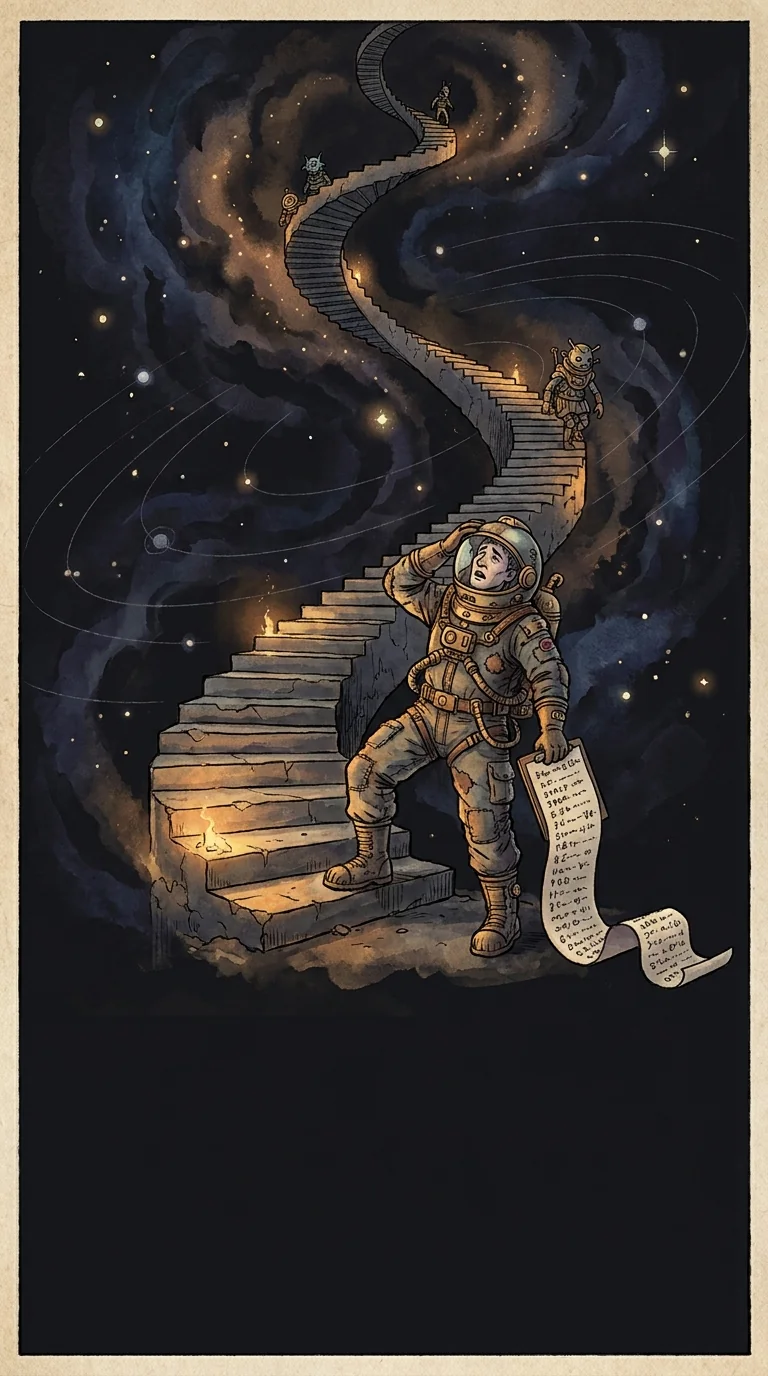
You've got a to-do list with seventeen items on it, and your brain has decided you should start with the biggest, ugliest one. Because that's what serious, disciplined people do. Right?
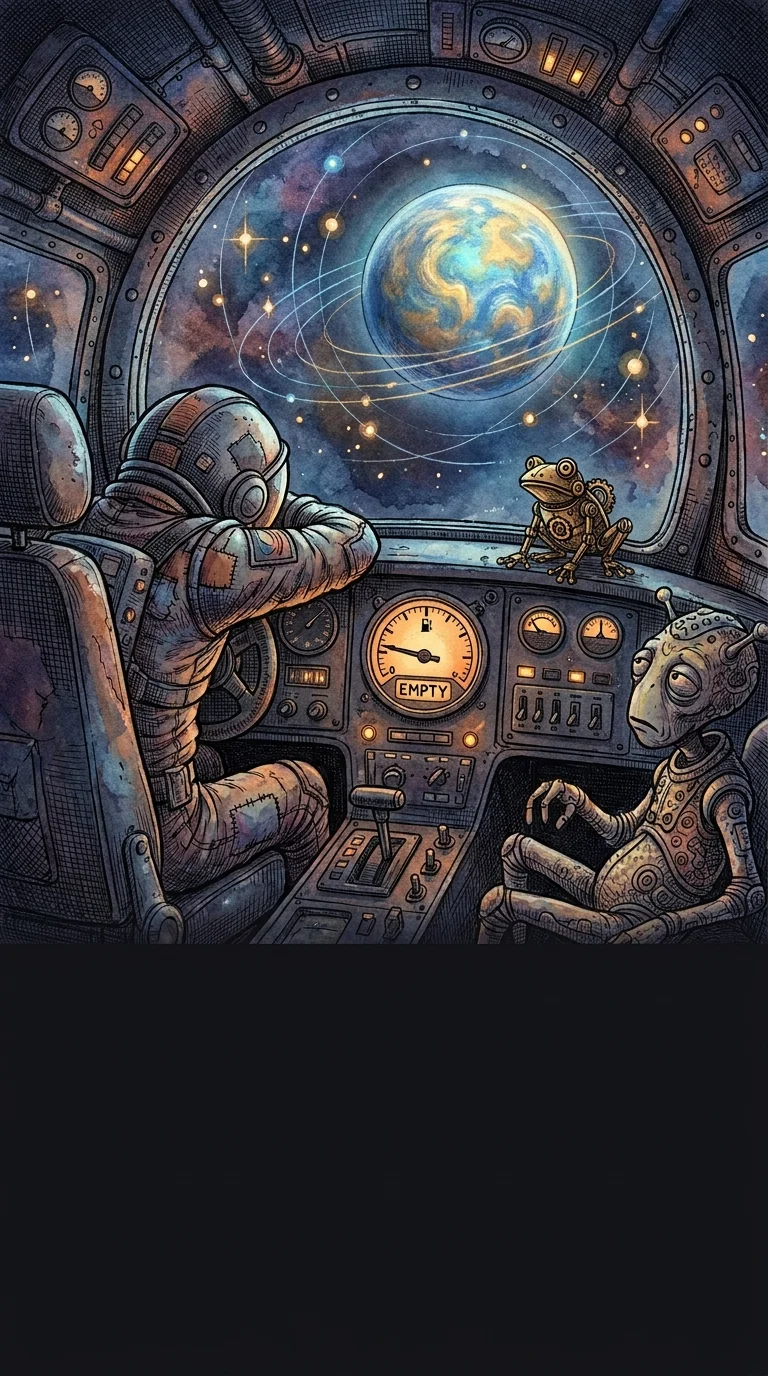
"Eat the frog first" is the productivity advice that sounds heroic and leaves you staring at a blank screen for two hours. Willpower is a terrible ignition system — it burns hot, then it's gone.
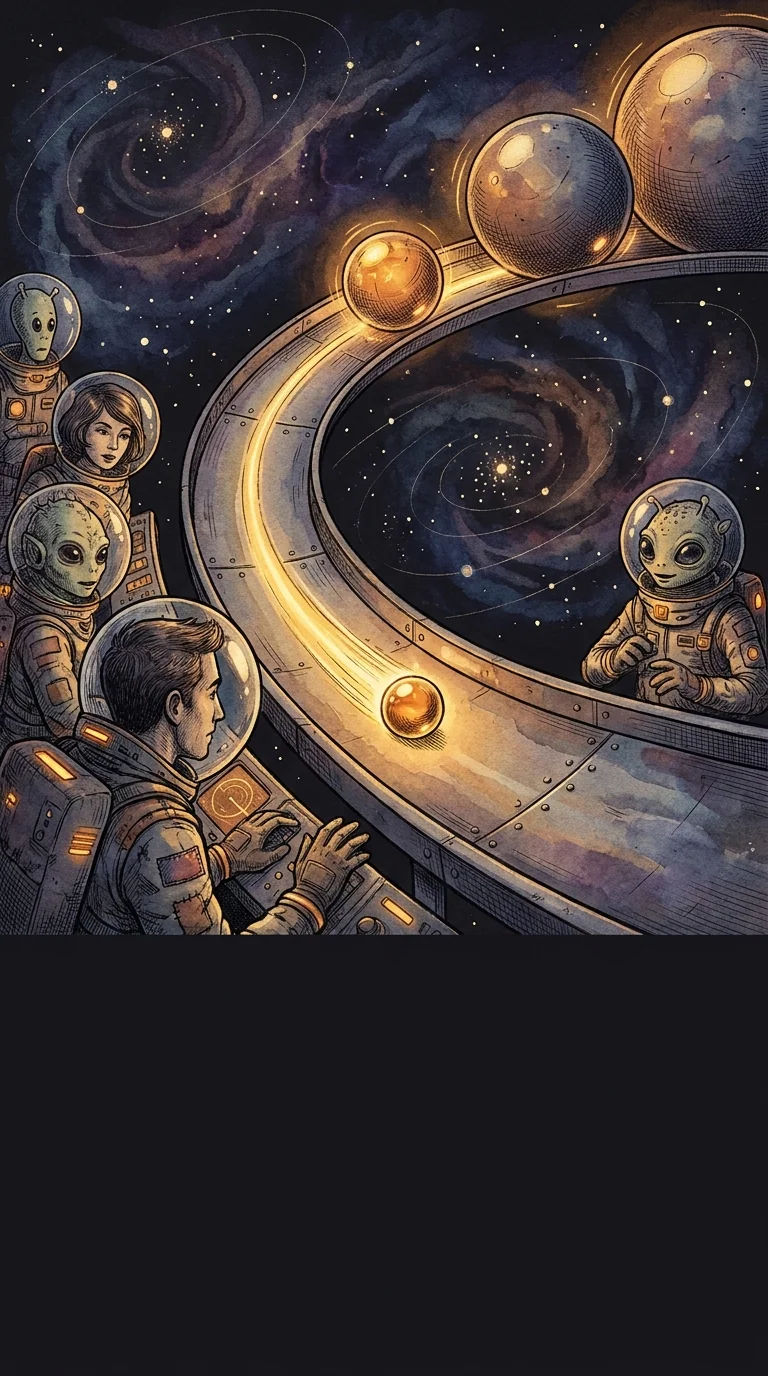
Here's what nobody admits: the easiest task that still moves the needle is the smartest place to start. Not because you're lazy — because momentum is a physics problem, not a character test.

One small completed task does three things at once: it gives your brain a hit of completion chemistry, it shrinks the remaining list by one, and — this is the sneaky part — it makes the next task feel smaller than it did five minutes ago. Momentum compounds.

Marcus had a grant proposal due, a broken lab sensor, and fourteen unread messages from his department head. He skipped all of it and reorganized his sample shelf — ten minutes, done. By lunch he'd knocked out six more tasks, including the proposal draft. The shelf was the spark, not the distraction.
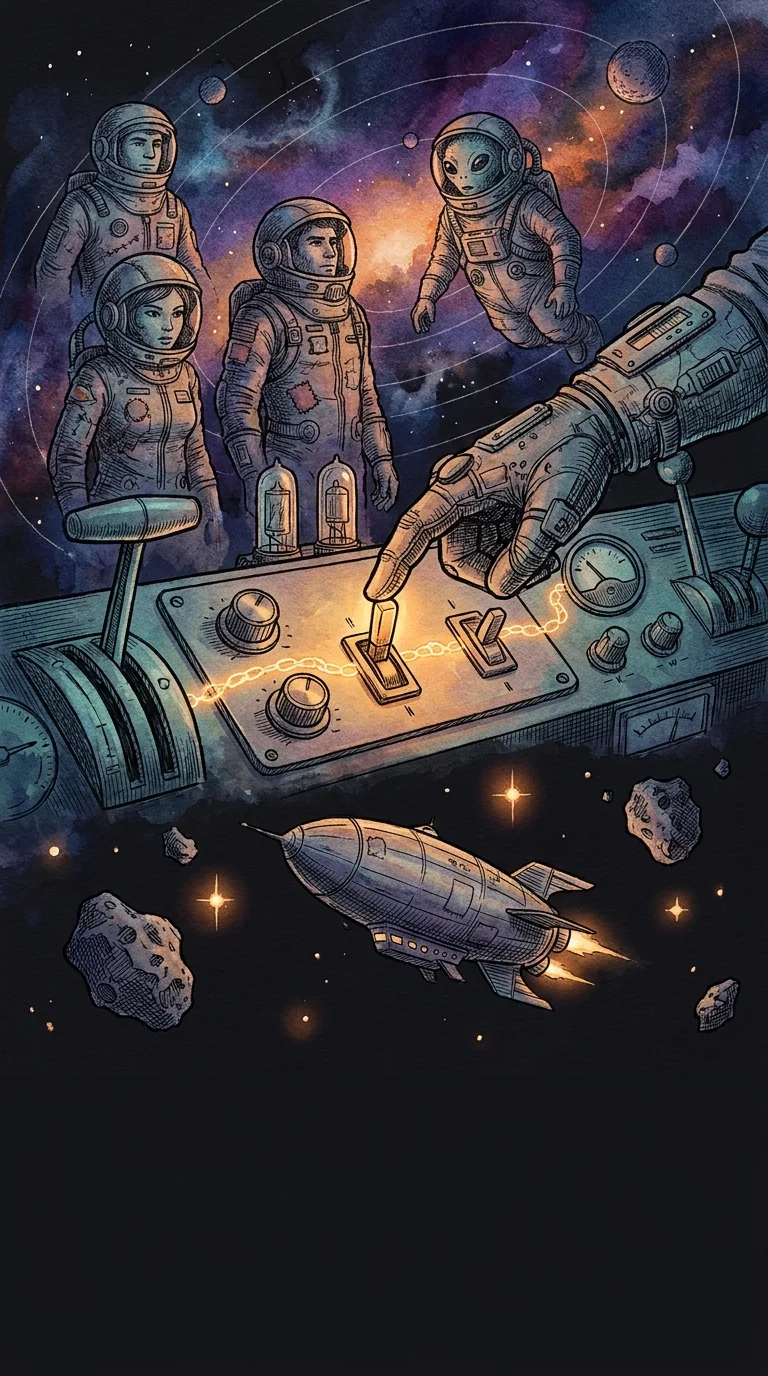
So the principle is simple: find the easiest thing that still matters, and let physics do what willpower can't. In Part 2, you'll practice choosing your momentum starter and building a small-wins chain. See you there.
Part 2: The Momentum Principle: Skip the Hardest Thing First — Practice
+10 XP on completion
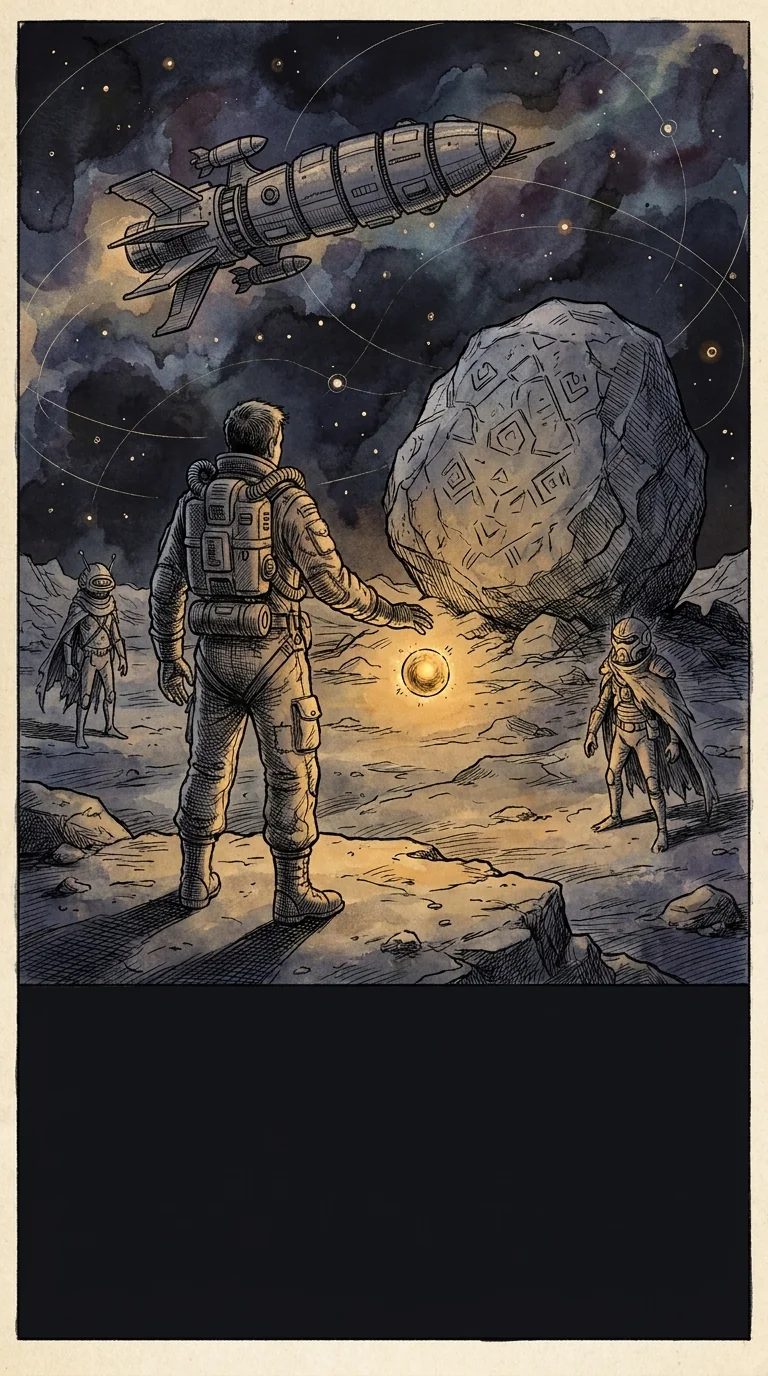
Willpower is expensive fuel. Momentum is solar — once you catch it, it feeds itself.
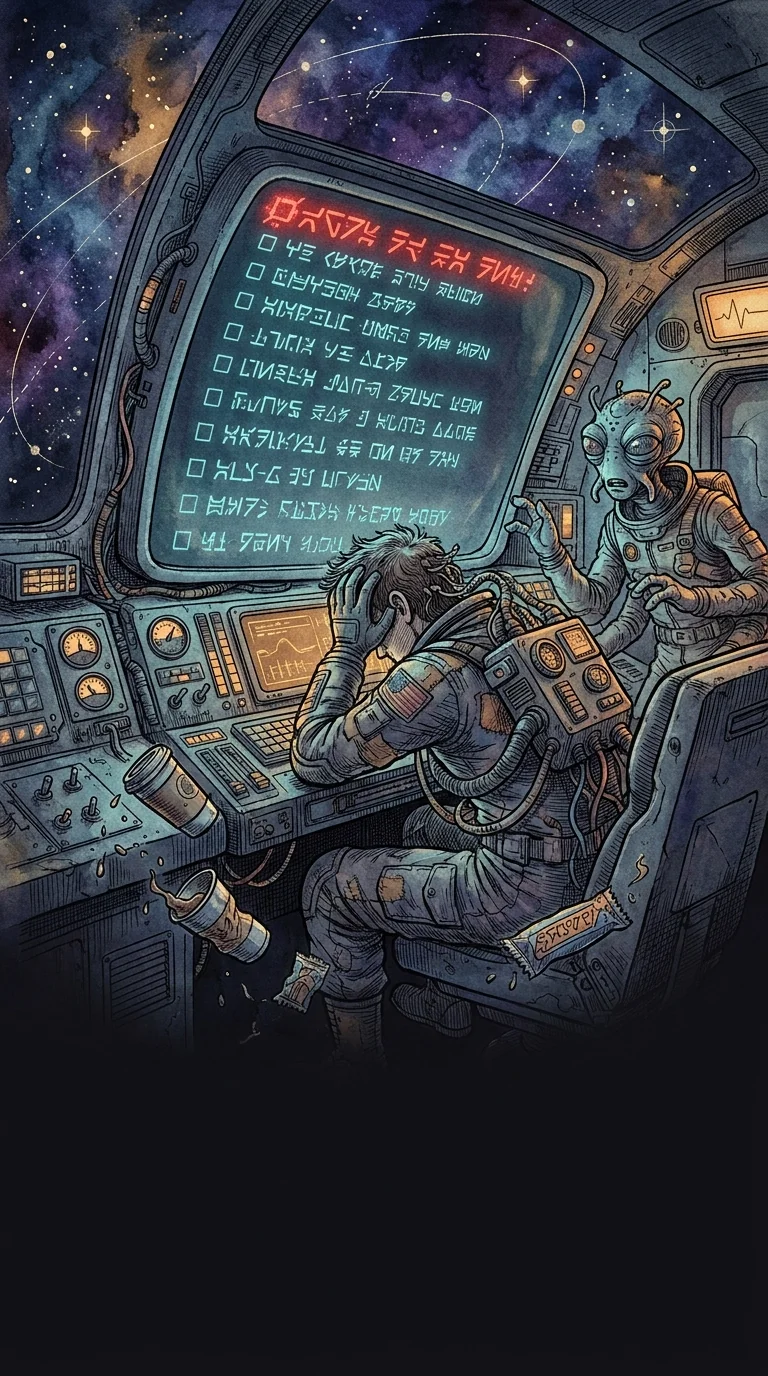
The standard advice is to tackle your hardest task first thing in the morning. Which works great — until the morning you don't, and then the whole day collapses like a bad airlock seal.
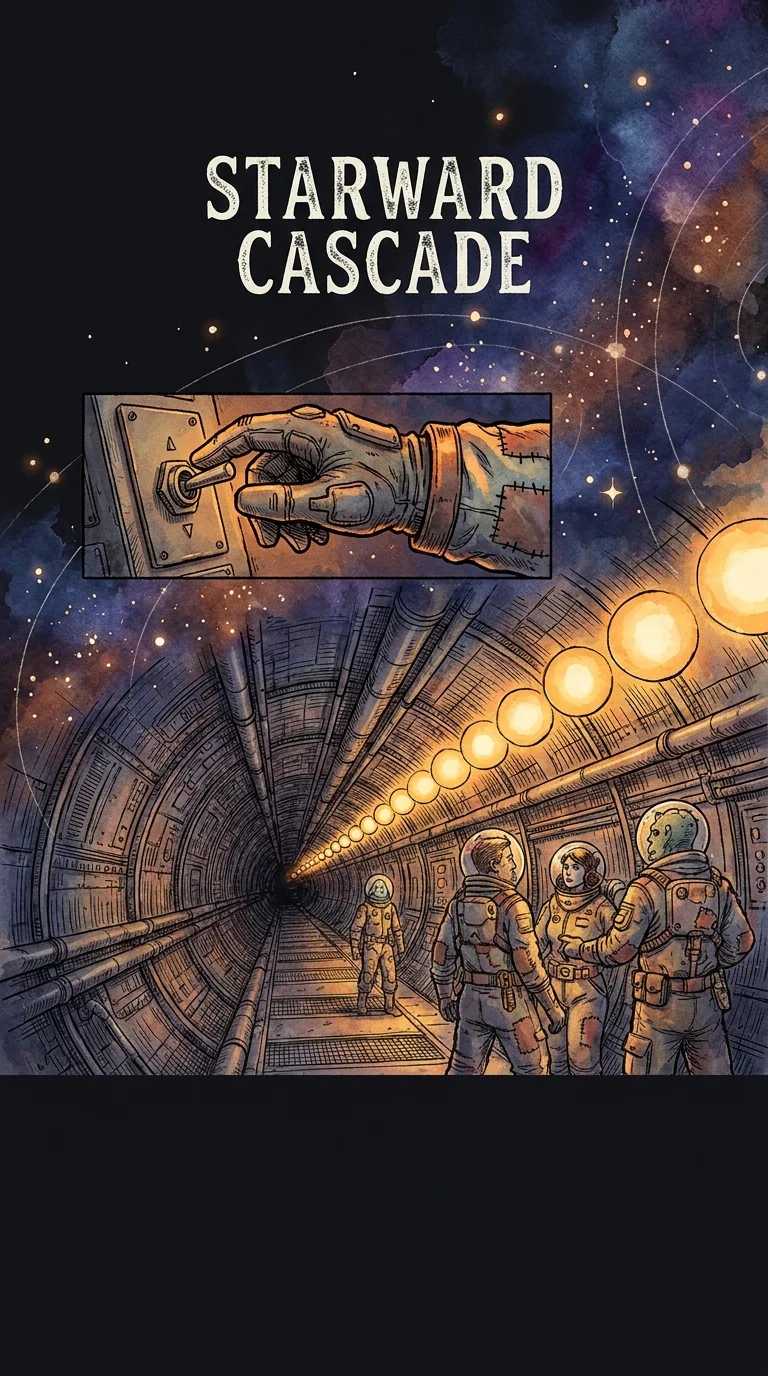
Here's what nobody admits: the easiest task that still matters is the smartest starting point. One small completion rewires your brain from 'stuck' to 'moving.' After that, harder things look surprisingly less hard.
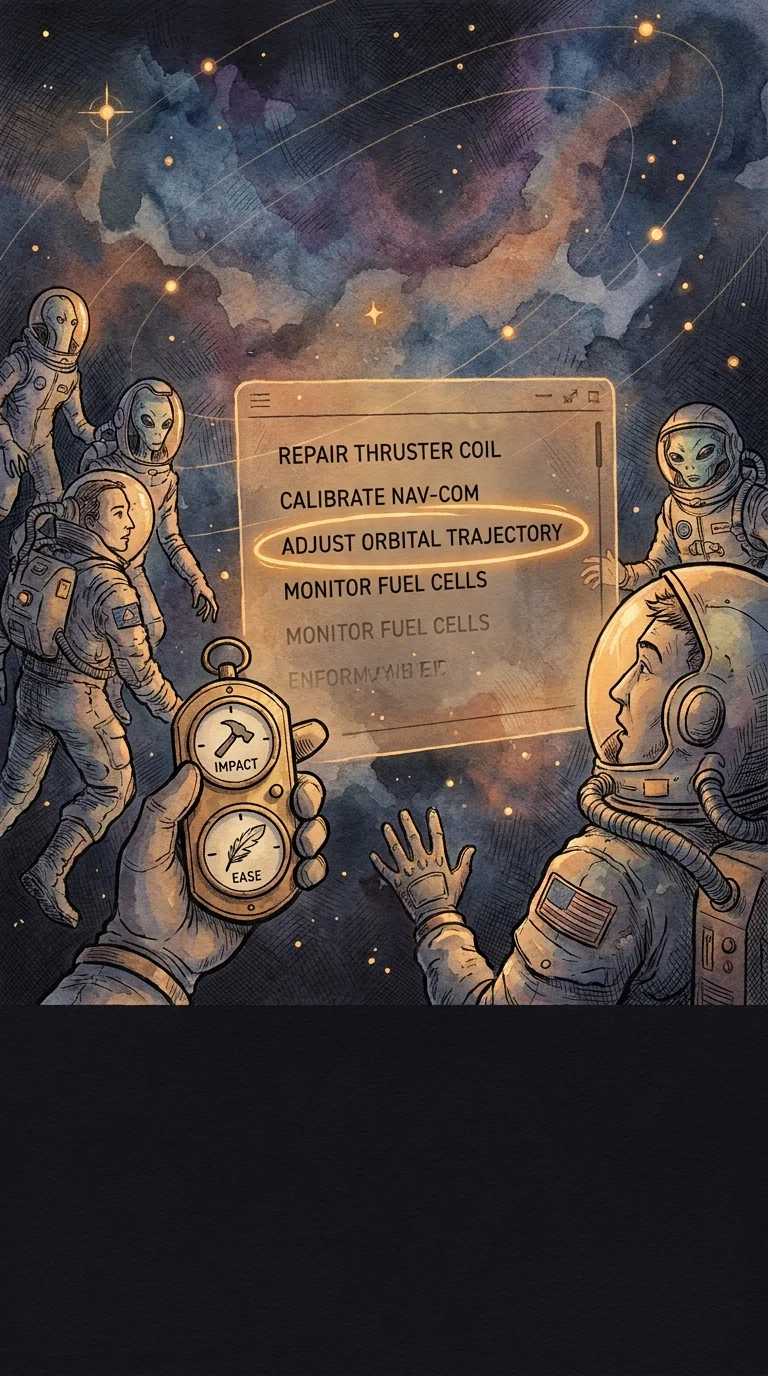
Try the Easiest Needle-Mover technique. Look at your task list. Ask two questions: Does this actually move something forward? And can I start it in under two minutes? Pick the task where both answers are yes — and do it right now.

Lisa had a grant proposal due, a broken analytics dashboard, and thirty unread messages. She skipped all of it and reorganized the shared project folder — ten minutes, genuinely useful. By the time she finished, she'd already opened the grant doc without noticing.

Tomorrow you don't need to be braver. You just need to be moving. One easy win is enough to start the engine — and you already know which one it is.