The Forcing Function: Indecision Is a Decision
You've been staring at the same two options for a week, telling yourself you're "being thorough." Meanwhile the clock doesn't care about your process — it just keeps subtracting.
Part 1: The Forcing Function: Indecision Is a Decision — Concept
+5 XP on completion

You've been staring at the same two options for a week, telling yourself you're "being thorough." Meanwhile the clock doesn't care about your process — it just keeps subtracting.
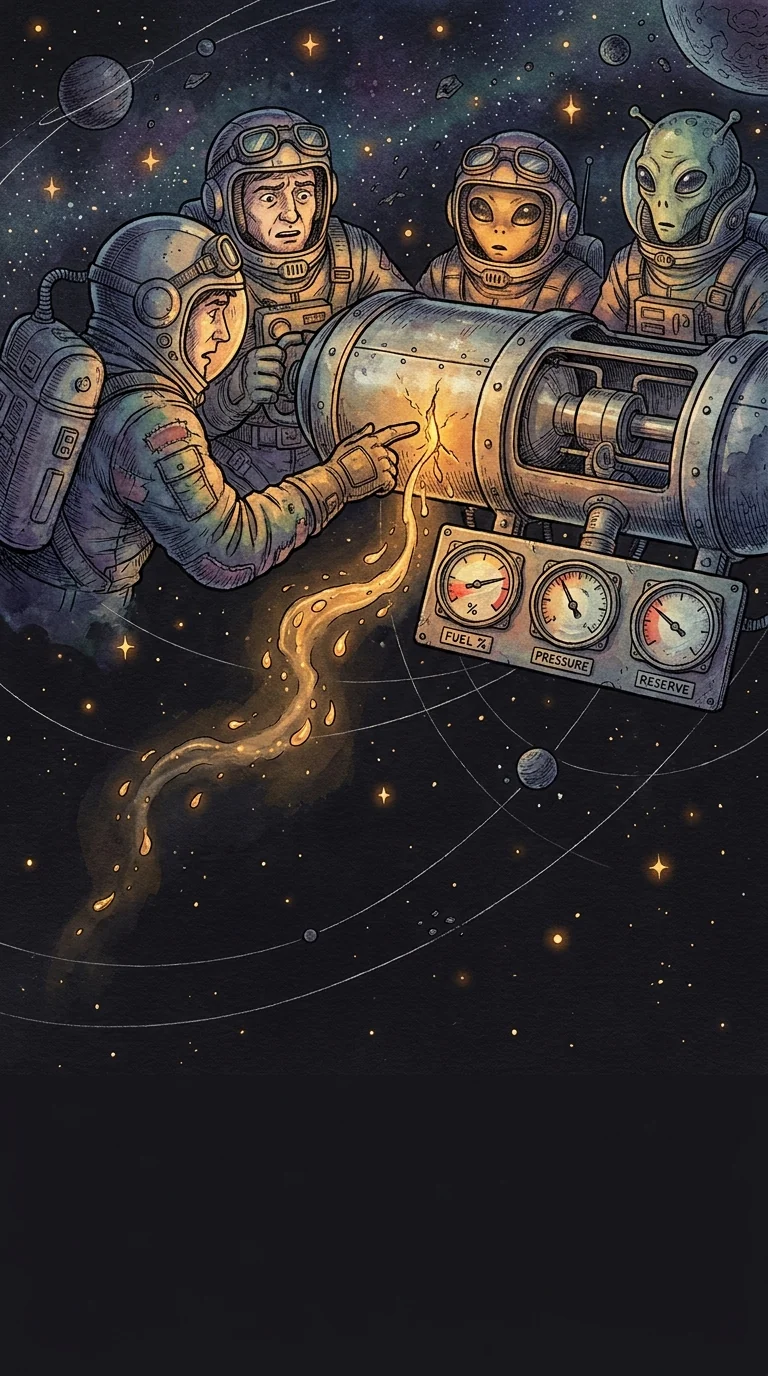
Waiting feels like a pause — a neutral holding pattern where nothing is lost. Except it's not neutral. Every hour of indecision quietly drains your time, your credibility, and the momentum you spent days building.
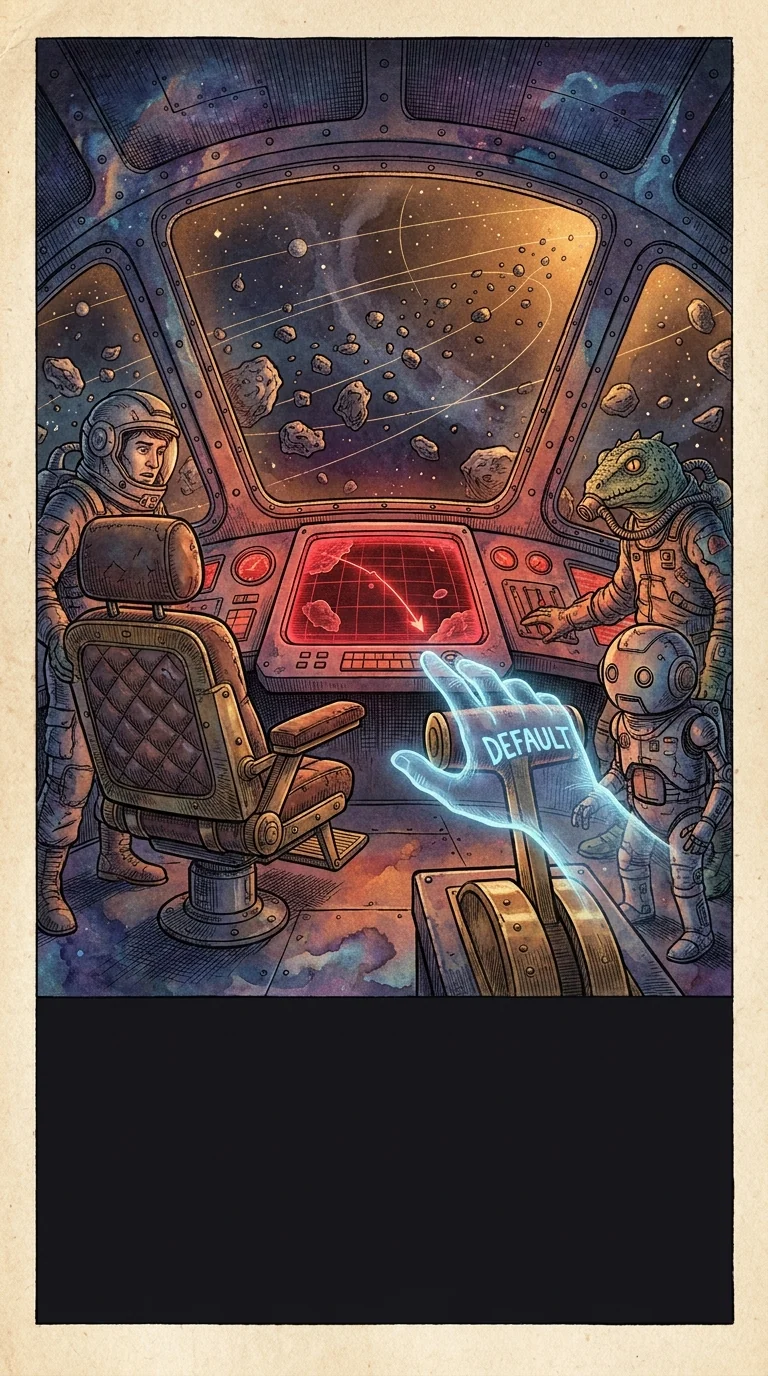
Indecision isn't the absence of a decision. It's a decision to let the default win. And the default rarely has your best interests in mind.
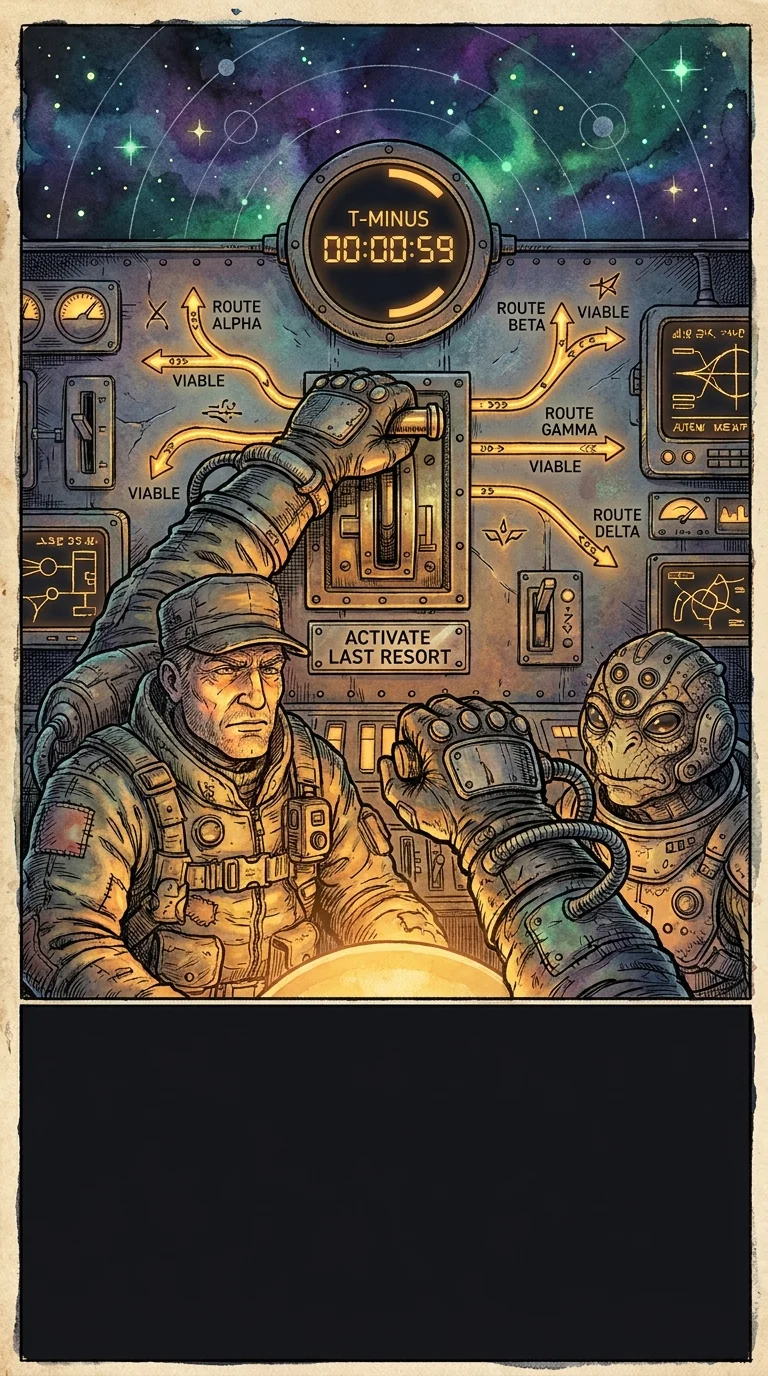
A forcing function is anything that makes "later" expire. A deadline, a public commitment, a scheduled conversation. You remove the comfortable fiction that waiting is free — because it never was.

Marcus spent three weeks choosing between two job offers, trying to find the "right" answer. By week four, one company rescinded. The other lowered the salary. His thoroughness cost him twelve thousand credits and both employers' confidence.
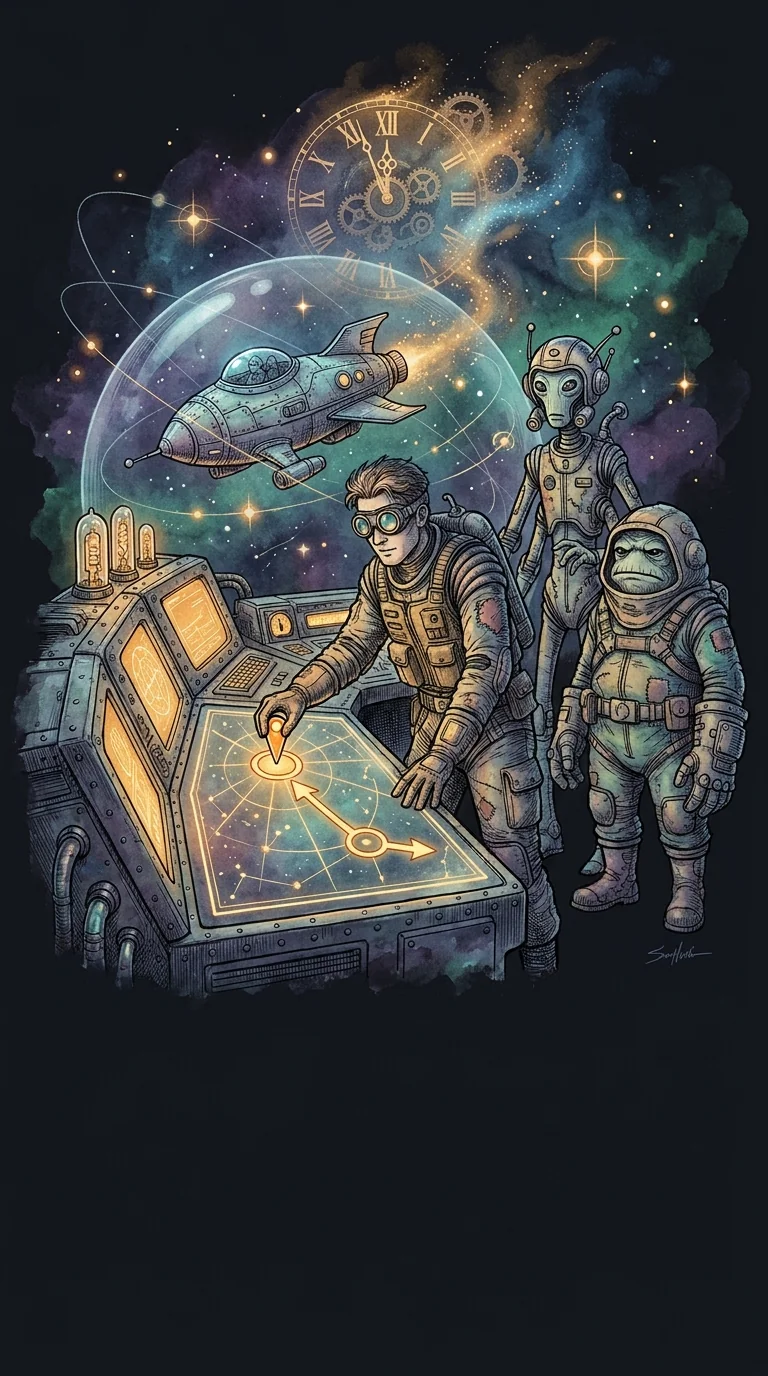
The goal isn't recklessness — it's recognizing that delay has a price tag you're already paying. In Part 2, you'll practice setting your own forcing functions so decisions land before the cost catches up. See you there.
Part 2: The Forcing Function: Indecision Is a Decision — Practice
+10 XP on completion

Every hour you spend "still thinking about it" is an hour that already made the choice for you. So let's give your brain a deadline it can't wriggle out of.

Here's what nobody admits: "sleeping on it" usually means waking up with the same two options plus a fresh layer of anxiety. The extra data you're waiting for almost never arrives.
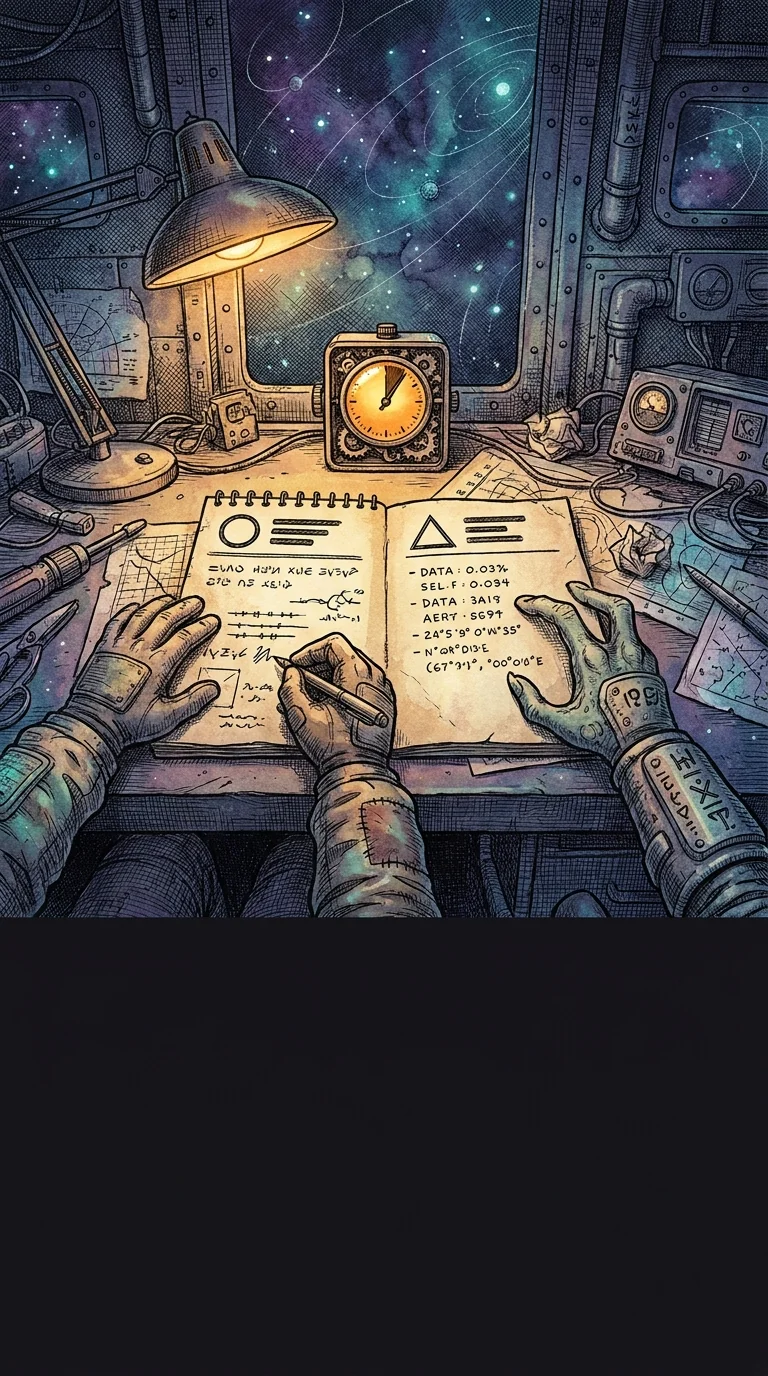
The technique is simple: set a timer for thirty minutes. Write down your two best options, list three pros for each, then pick one before the timer hits zero. Not the perfect option — the workable one.

Why thirty minutes? Long enough to think clearly, short enough that your brain can't build a fortress out of hypotheticals. The constraint is the tool — it forces signal out of noise.
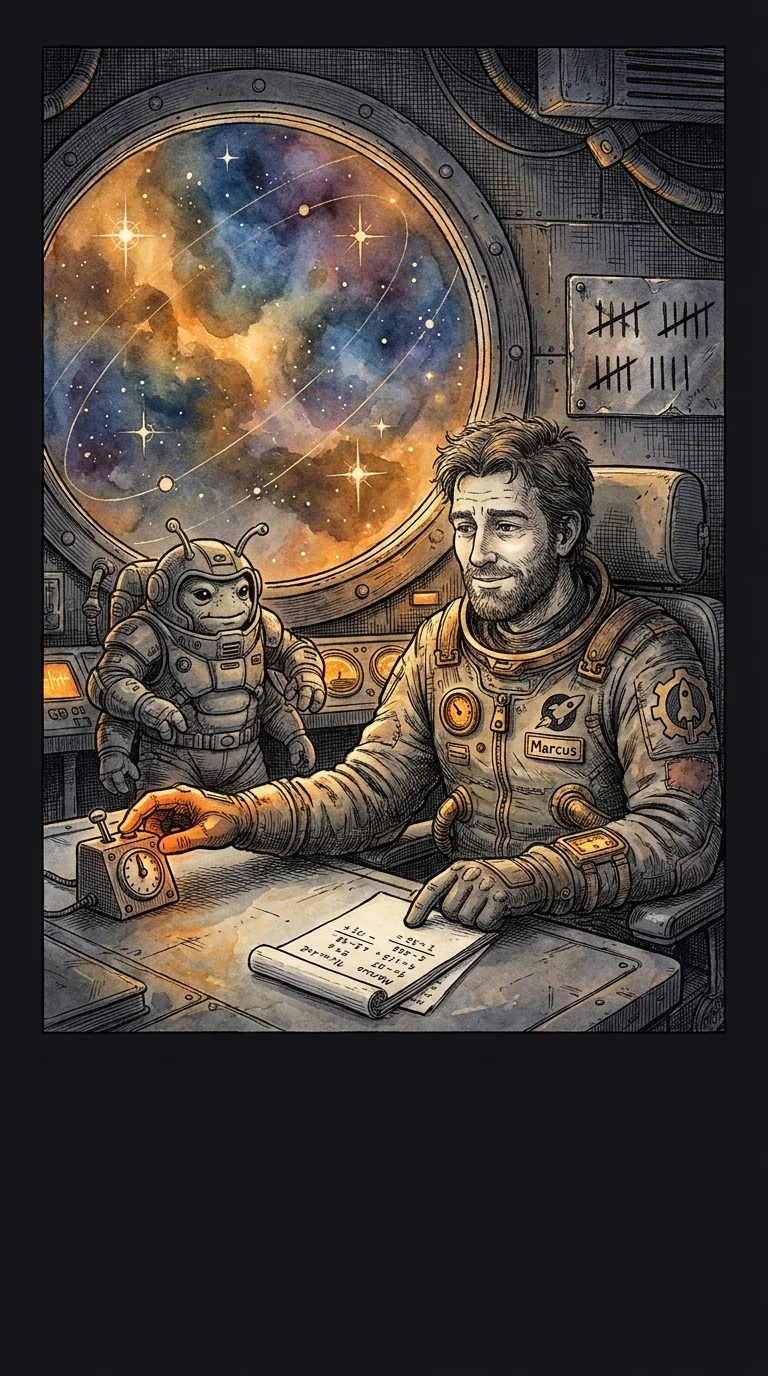
Marcus had been comparing two job offers for eleven days. He sat down, set the timer, wrote his six pros. At minute twenty-two he picked the one that scared him slightly more. Three months later, he'll tell you the decision took too long — meaning the first ten days, not the last thirty minutes.

You now have a thirty-minute engine for turning overthinking into action. Next time a decision starts circling, set the timer and trust the constraint. The workable choice, made today, beats the perfect choice made never.