Run Three Scenarios Before You Burn Fuel
You can't predict the future. But you already knew that — you just keep acting like you can, every time you pick a plan and gun it without checking what else might happen.
Part 1: Run Three Scenarios Before You Burn Fuel — Concept
+5 XP on completion
You can't predict the future. But you already knew that — you just keep acting like you can, every time you pick a plan and gun it without checking what else might happen.
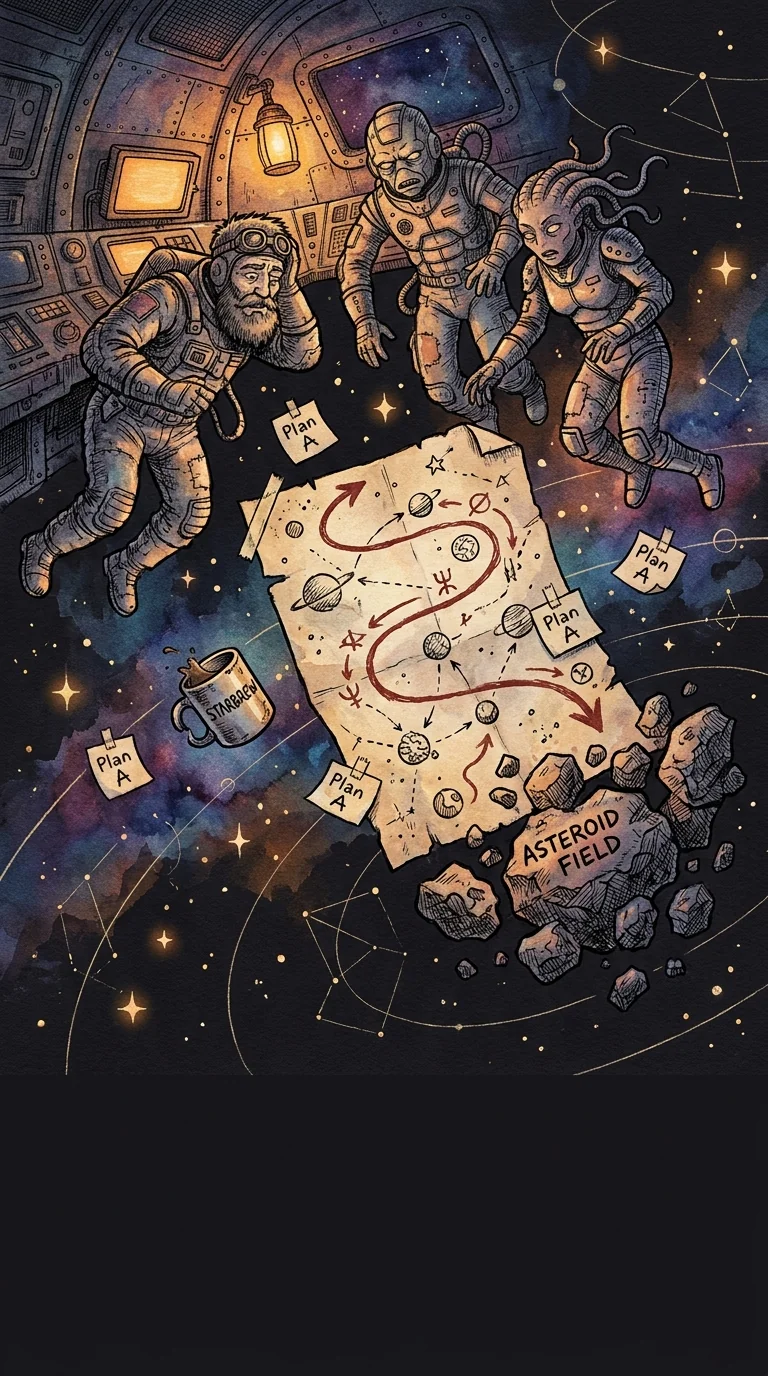
Most decisions get made on a single story: the one where everything goes roughly the way you hope. When it doesn't — and it won't — you're stuck improvising at full speed with no backup map.
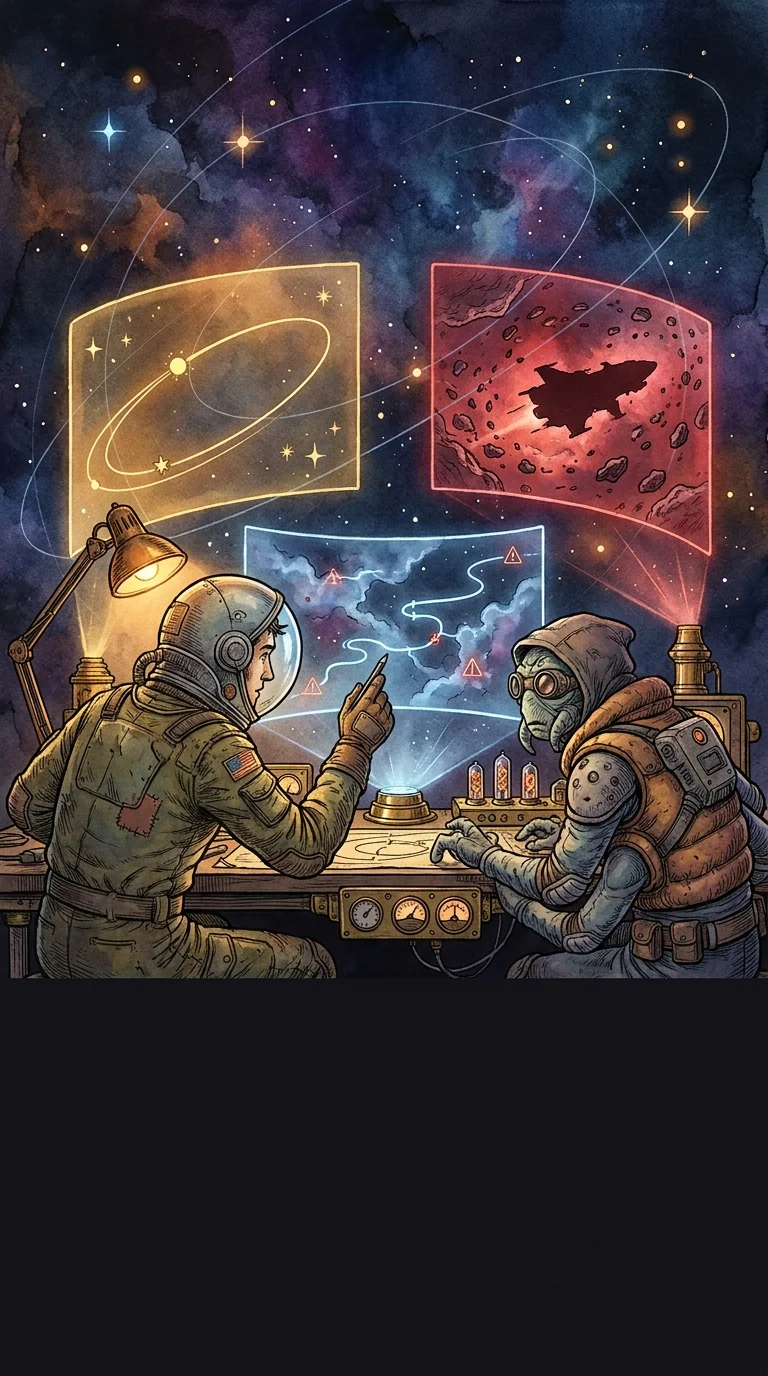
Run three scenarios before you commit. Best case, worst case, and — here's where it gets useful — the most likely case given what you actually know right now. That middle one is where the real thinking lives.
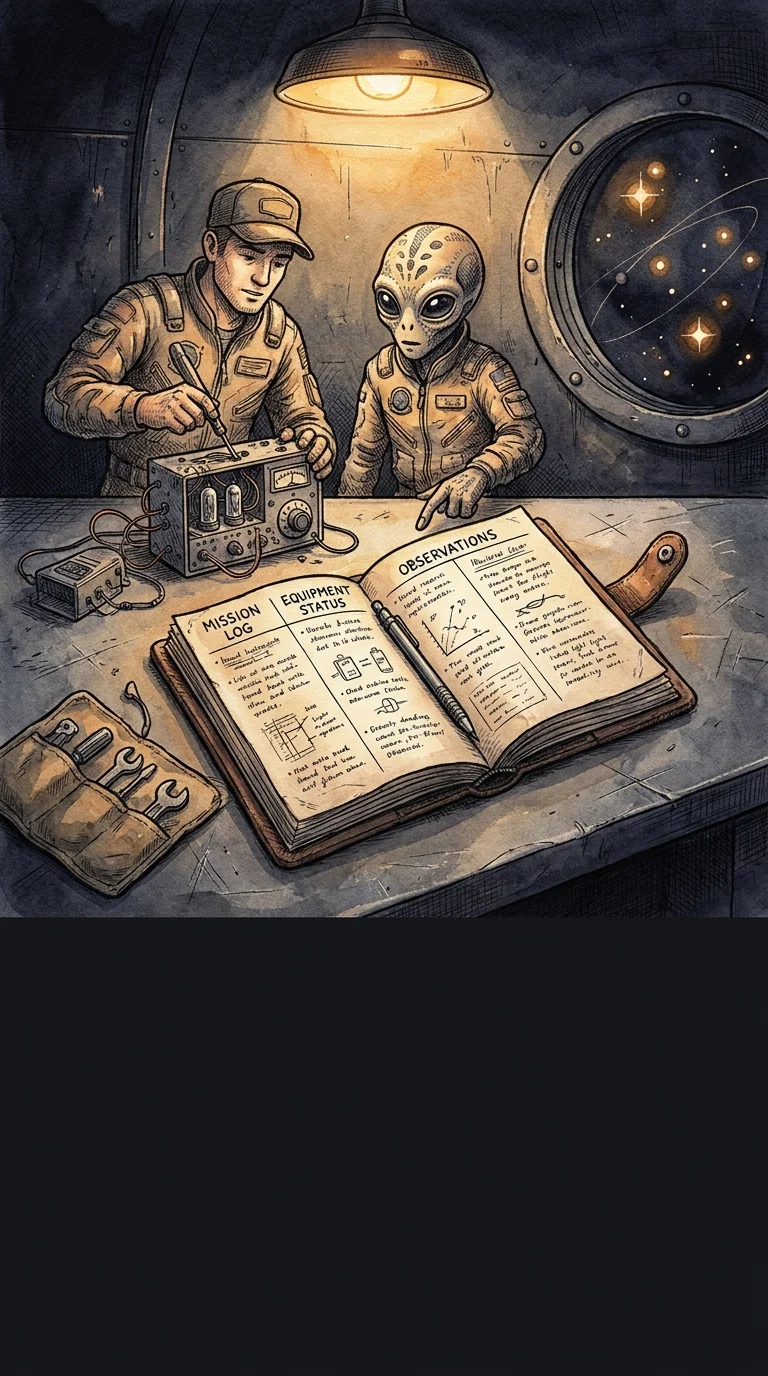
The technique is stupidly simple: write down all three in plain language. What happens if this goes well? What if it craters? And what does your actual context — your resources, your constraints, your track record — say is most probable? The third answer usually changes the decision.
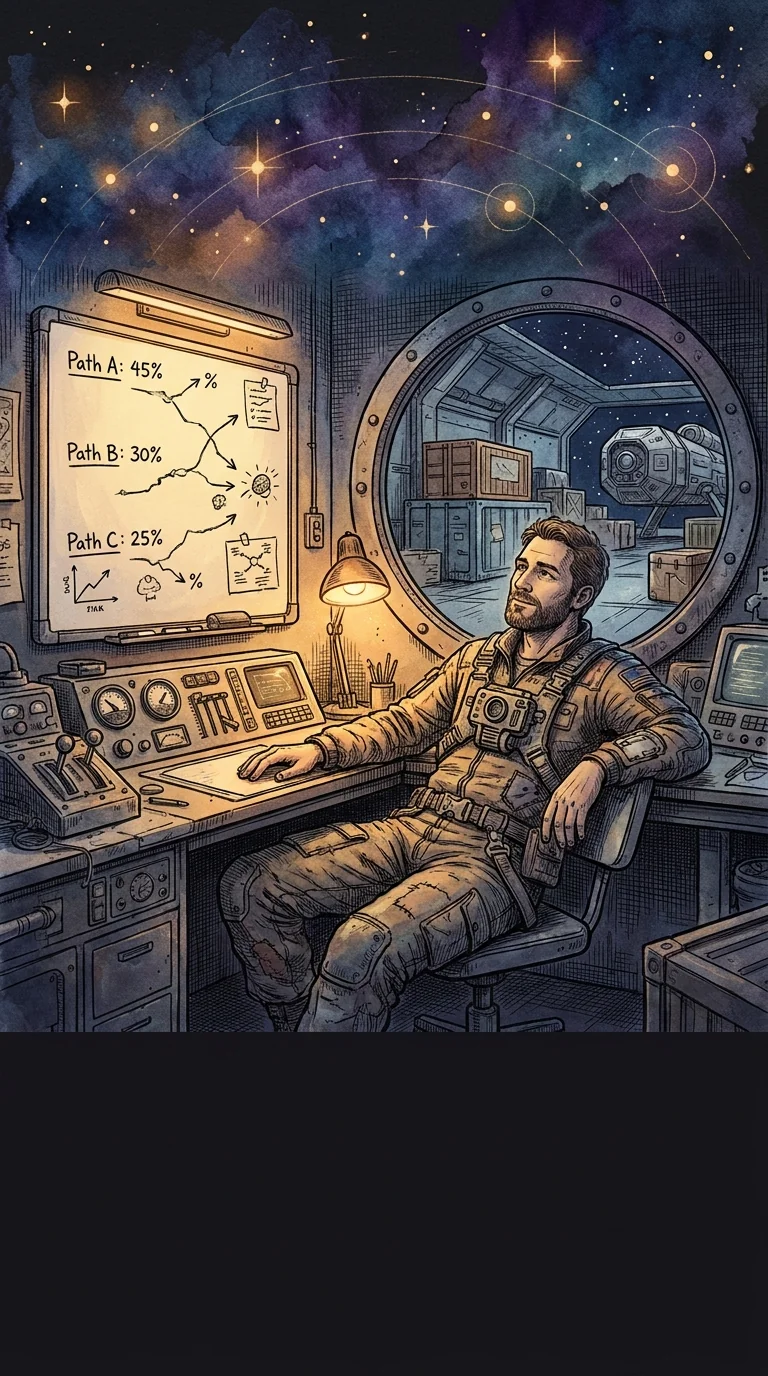
Marcus almost bet his whole quarterly budget on a new vendor platform — until he wrote down the three scenarios. Best case saved 20%. Worst case broke two integrations. Most likely case? A 6% savings and four months of headaches. He kept the old vendor. Boring answer. Right answer.
Three scenarios won't give you a crystal ball. They'll give you something better: a reason to pause before you torch your resources on a single hopeful guess. In Part 2, you'll practice building your own three-scenario map for a real decision you're facing. See you there.
Part 2: Run Three Scenarios Before You Burn Fuel — Practice
+10 XP on completion
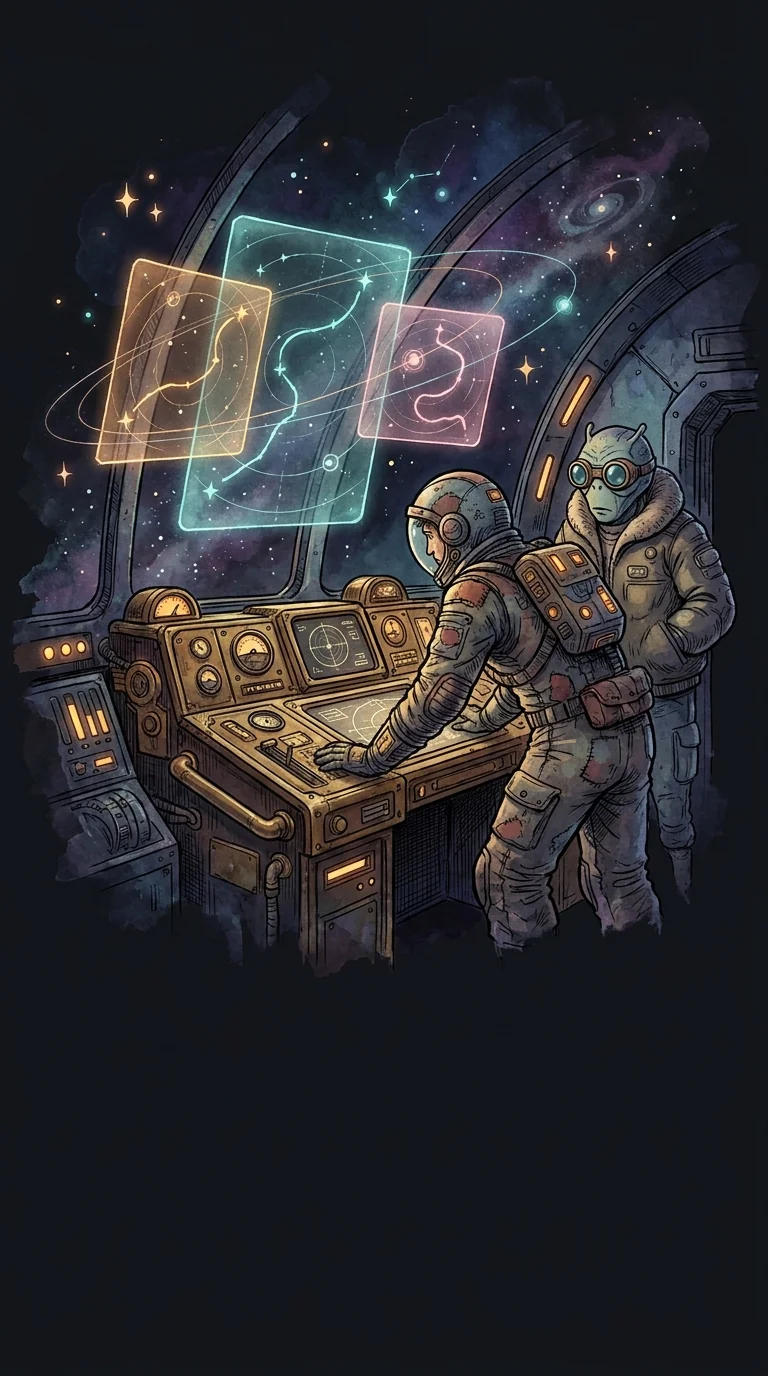
You can't predict the future, but you can sketch three versions of it and ask which one your situation is actually pointing toward. That's not guessing — that's thinking with your eyes open.
Most decisions stall because you're trying to find the one right answer in a universe that hasn't made up its mind yet. You pick nothing, burn time, and call it caution.
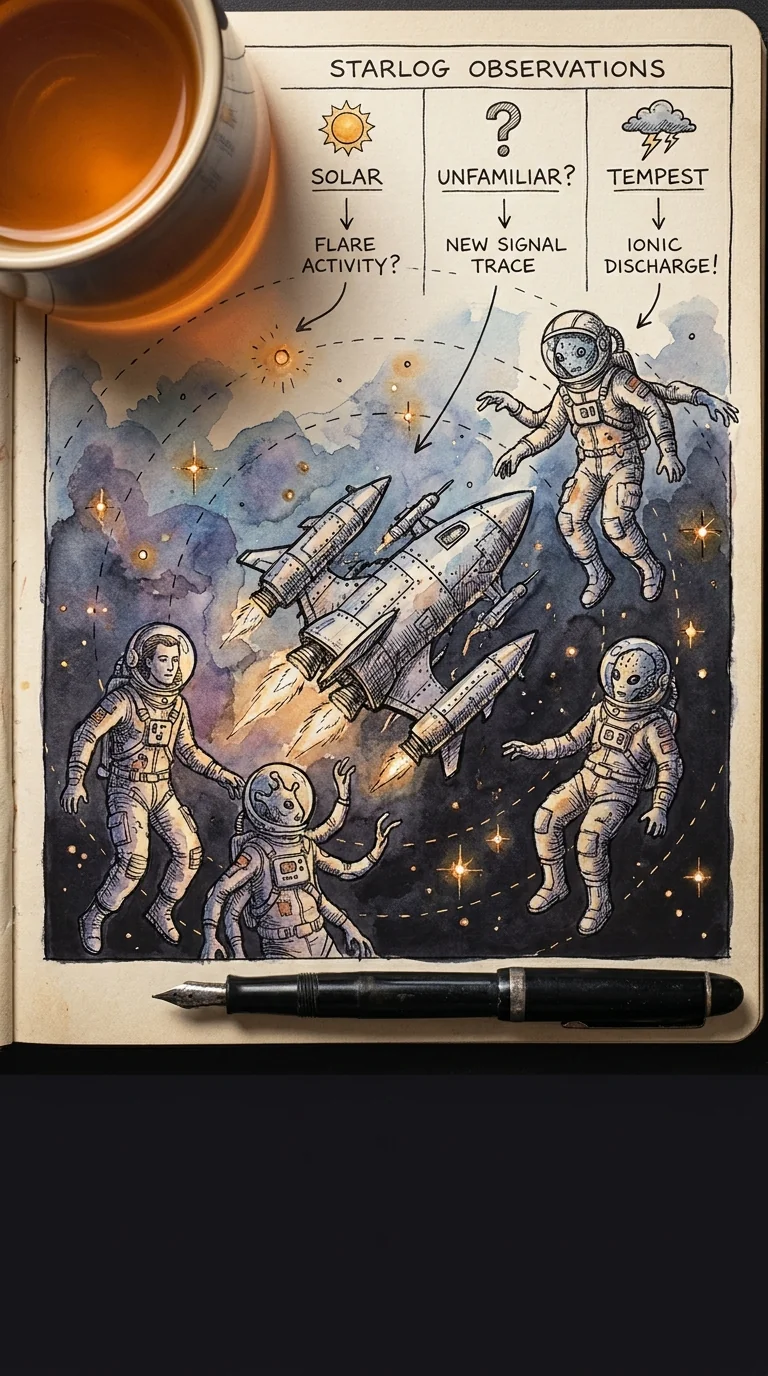
Here's the technique: the Three-Scenario Sketch. Write down what happens if things go well, what happens if they go sideways, and what happens if they go genuinely wrong. Then look at your actual context and ask which scenario has the most gravity pulling it closer.
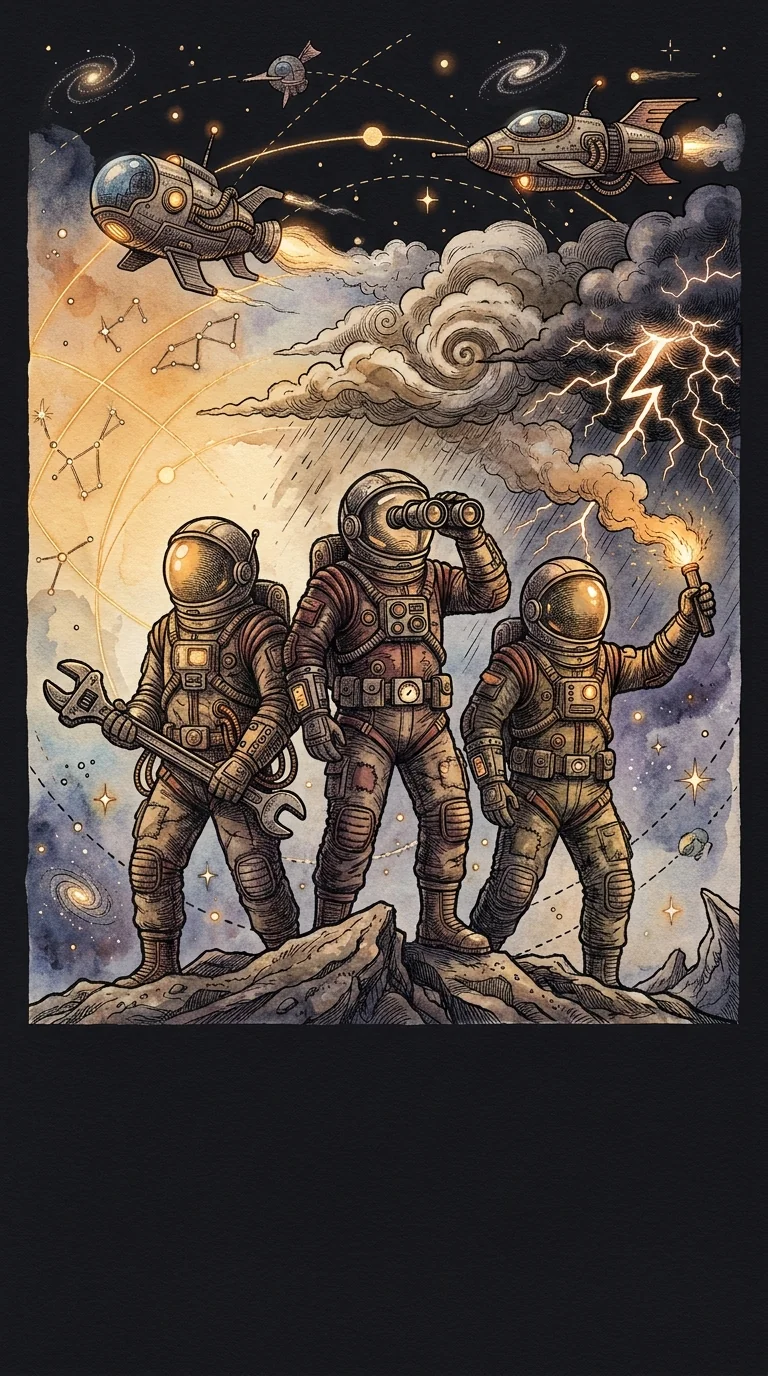
For each scenario, jot two things: what's the first signal you'd see if this one's coming true, and what would you do about it starting today. Now you're not predicting — you're preparing three different versions of yourself to respond. That's a different kind of ready.
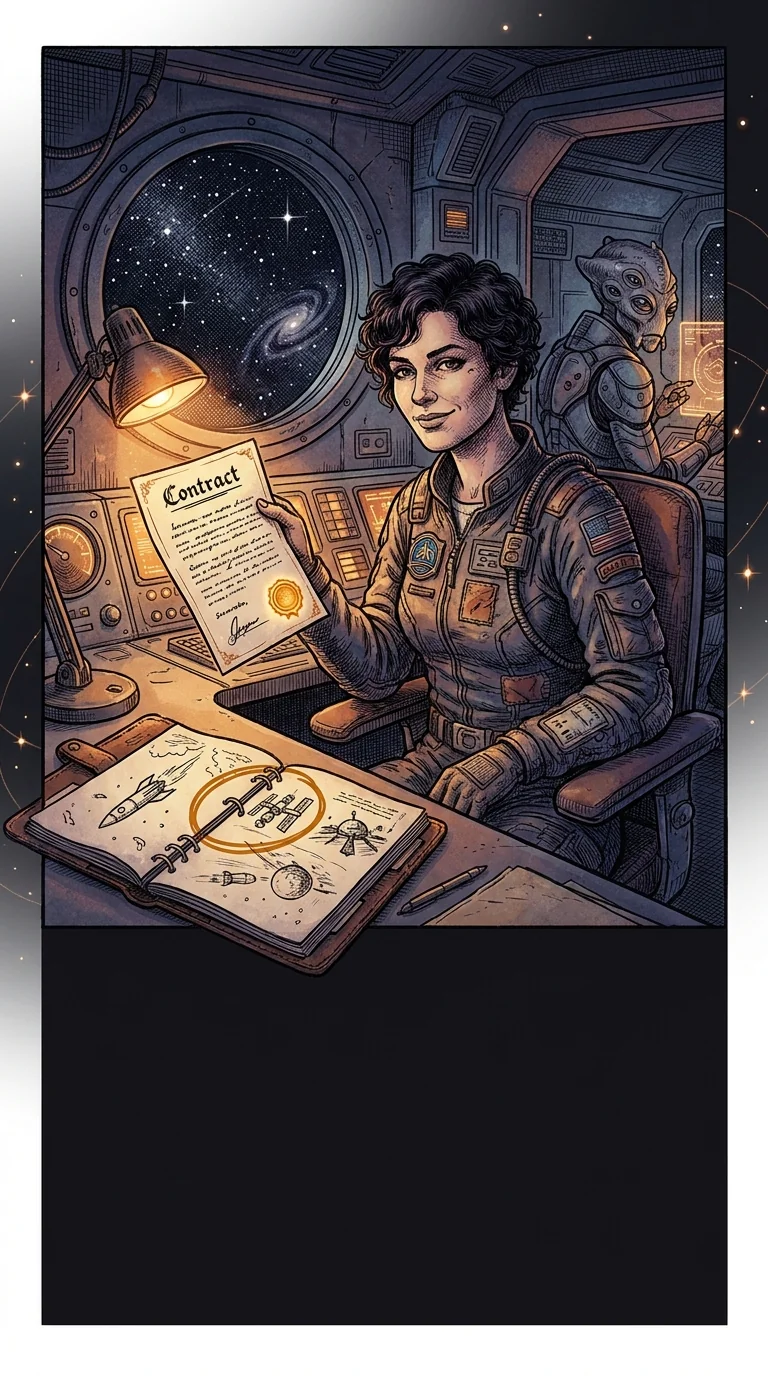
Lisa was agonizing over whether to take a contract with a new client. She sketched the three scenarios in ten minutes. The sideways case — client loves the work but pays late — matched every signal she was already seeing. So she took the gig, but wrote payment milestones into the contract before she started. Problem solved before it arrived.
You don't need a crystal ball. You need ten minutes, three columns, and the willingness to look at what's already true. Next time a decision has you stuck, sketch the scenarios — you'll be surprised how much you already know.