Should You Build the App?
Someone walks into a room and says, "We should build an app." Everyone nods because building things feels like progress — and questioning progress feels like cowardice.
Part 1: Should You Build the App? — Concept
+5 XP on completion
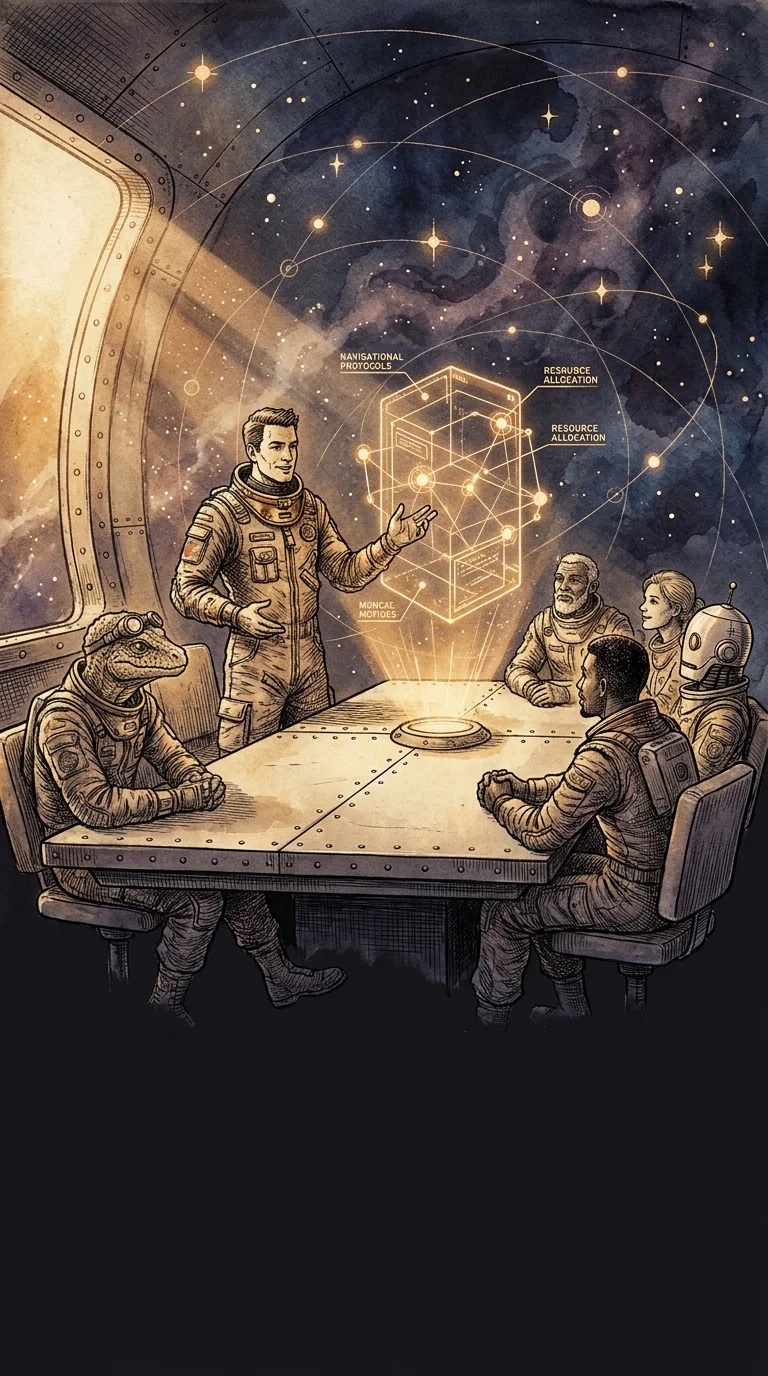
Someone walks into a room and says, "We should build an app." Everyone nods because building things feels like progress — and questioning progress feels like cowardice.
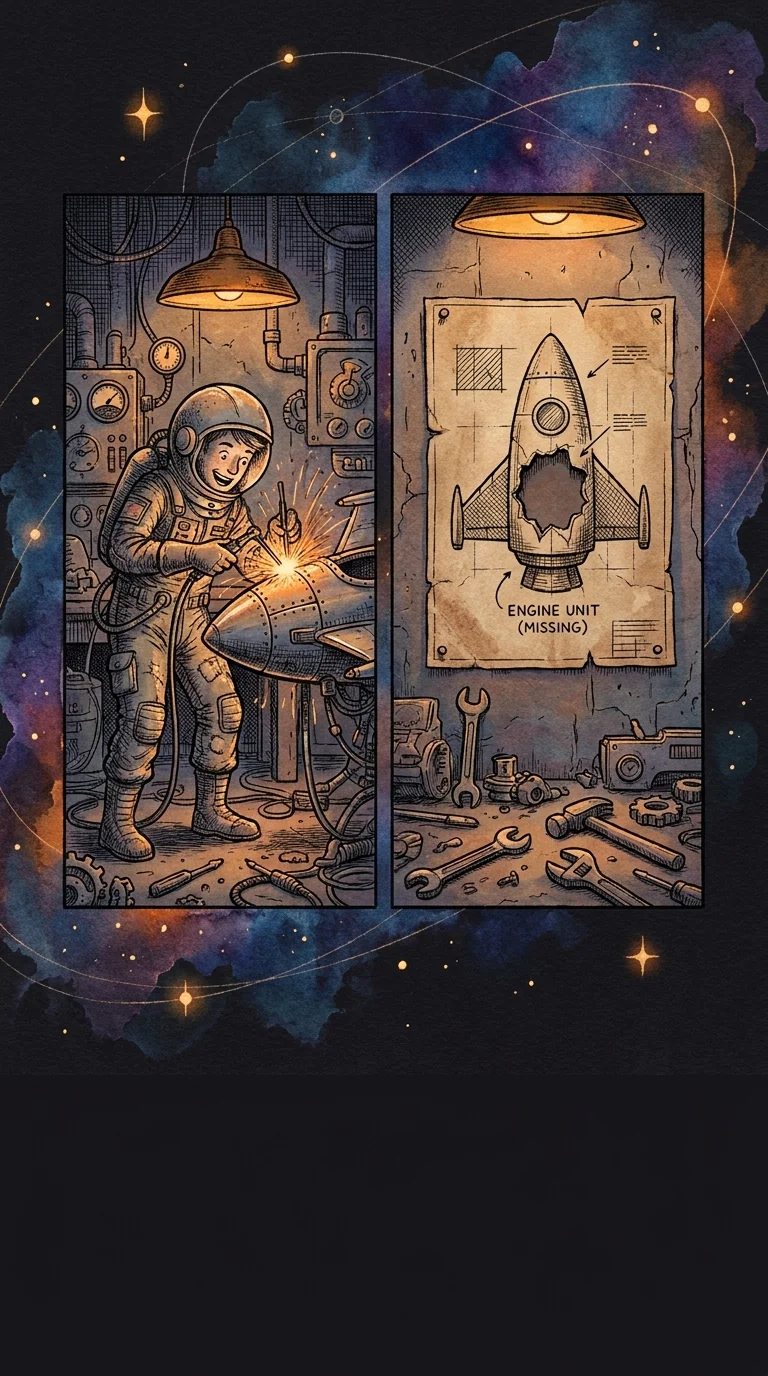
Here's what nobody admits: "Should we build it?" is the hardest kind of question because it disguises a judgment call as a project plan. You skip past the thinking and land straight in the doing — which feels productive right up until it isn't.

The real question isn't "can we build it" — it's "what problem does this solve, for whom, and is building the right response?" Three sub-questions hiding inside one. Every judgment principle you've practiced so far either earns its keep right here or was just decoration.
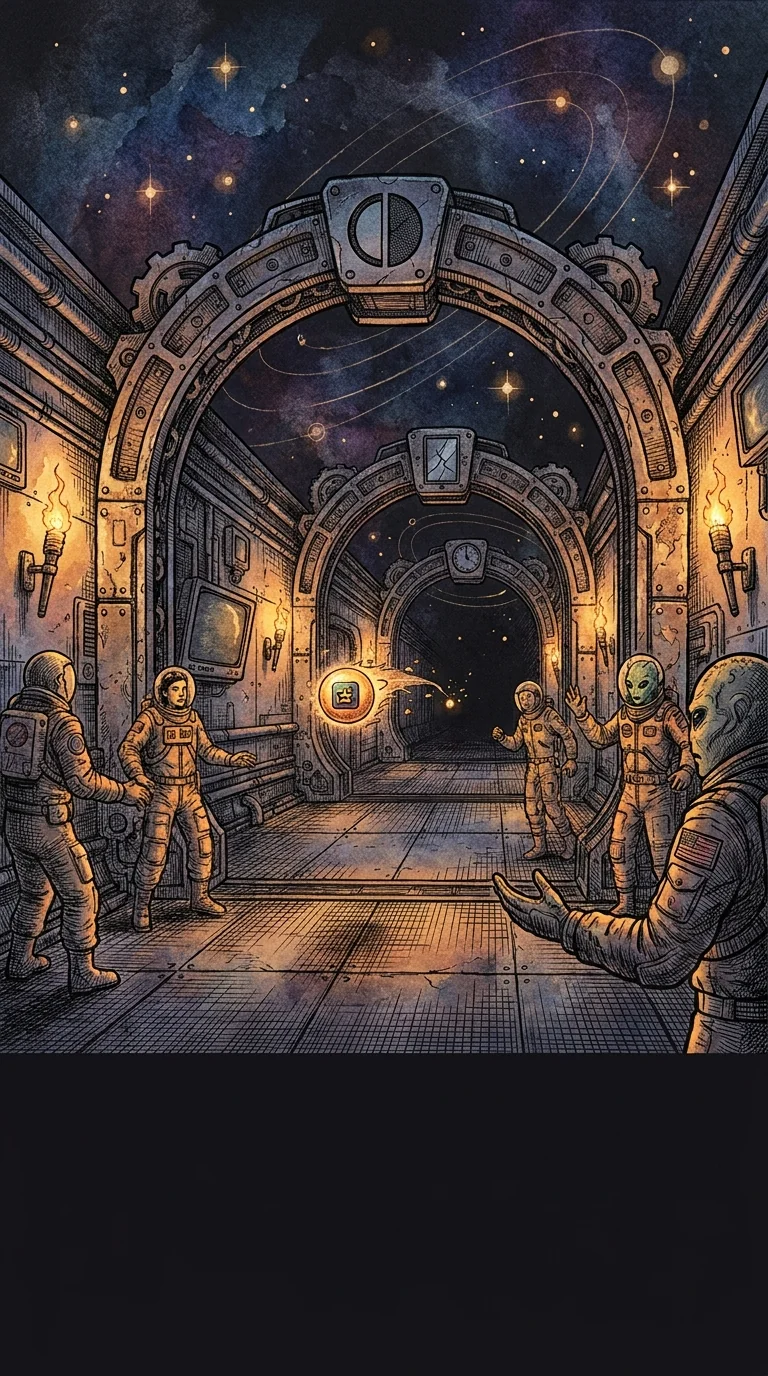
Run the build question through the gauntlet: Separate the problem from the proposed solution. Stress-test your assumptions against second-order consequences. Check whether urgency is real or manufactured. If "build it" still survives all three, it probably deserves a prototype — not a budget.

Marcus pitched a customer-facing app to his team last quarter. Felt obvious. Then he ran it through the gauntlet and realized the actual problem was a notification gap — fixable with an email sequence that cost nothing. He almost spent six months building a solution to a problem that needed a paragraph.

Knowing when not to build is a senior move — and it's exactly the muscle that separates judgment from enthusiasm. In Part 2, you'll practice running a real "should we build it" scenario through the gauntlet yourself. See you there.
Part 2: Should You Build the App? — Practice
+10 XP on completion

"Should we build it?" is never really one question. It's six questions wearing a trench coat and pretending to be simple.
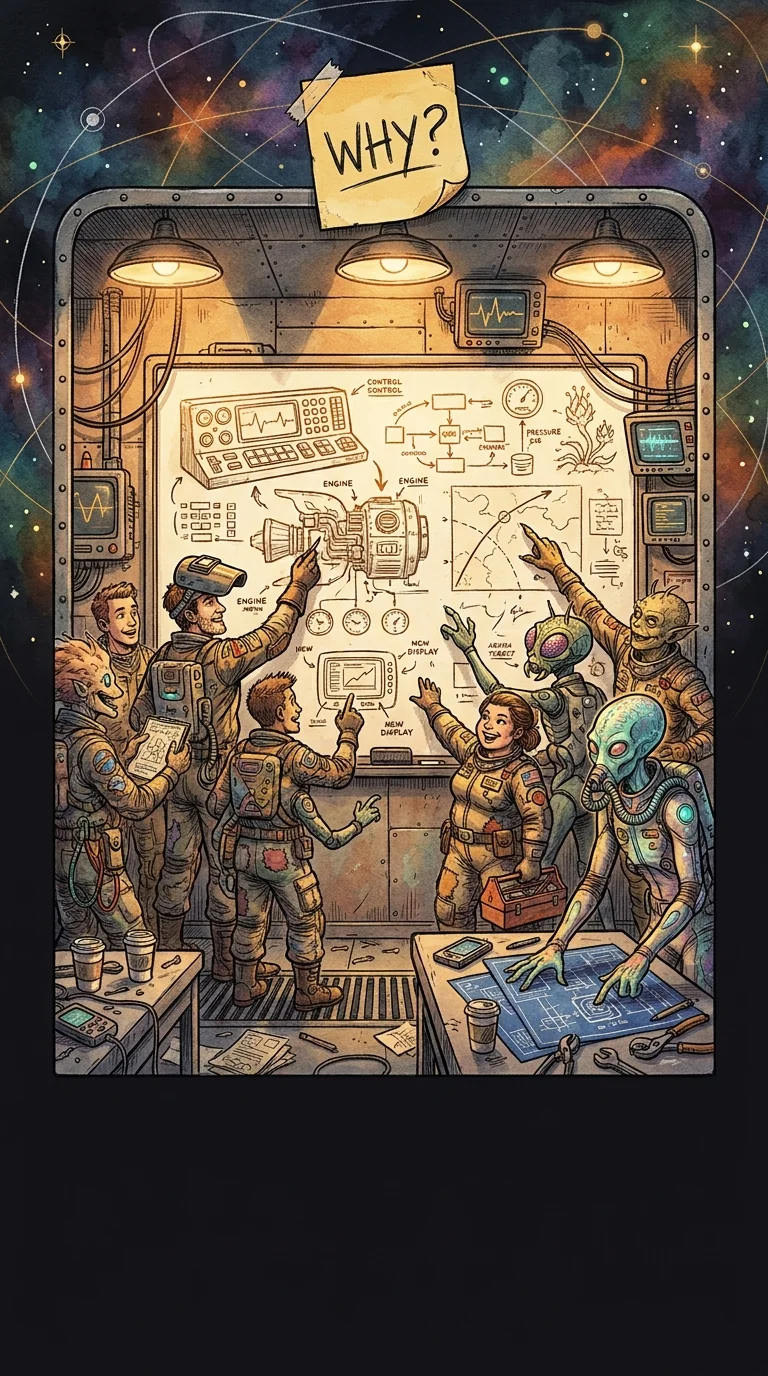
Most build-or-don't decisions collapse because someone skips straight to excitement. The team debates features before anyone asks whether the problem is even worth solving.

Here's the technique: the Build Gate Audit. Six questions, asked in order. You don't get to touch question four until questions one through three have real answers — not vibes.
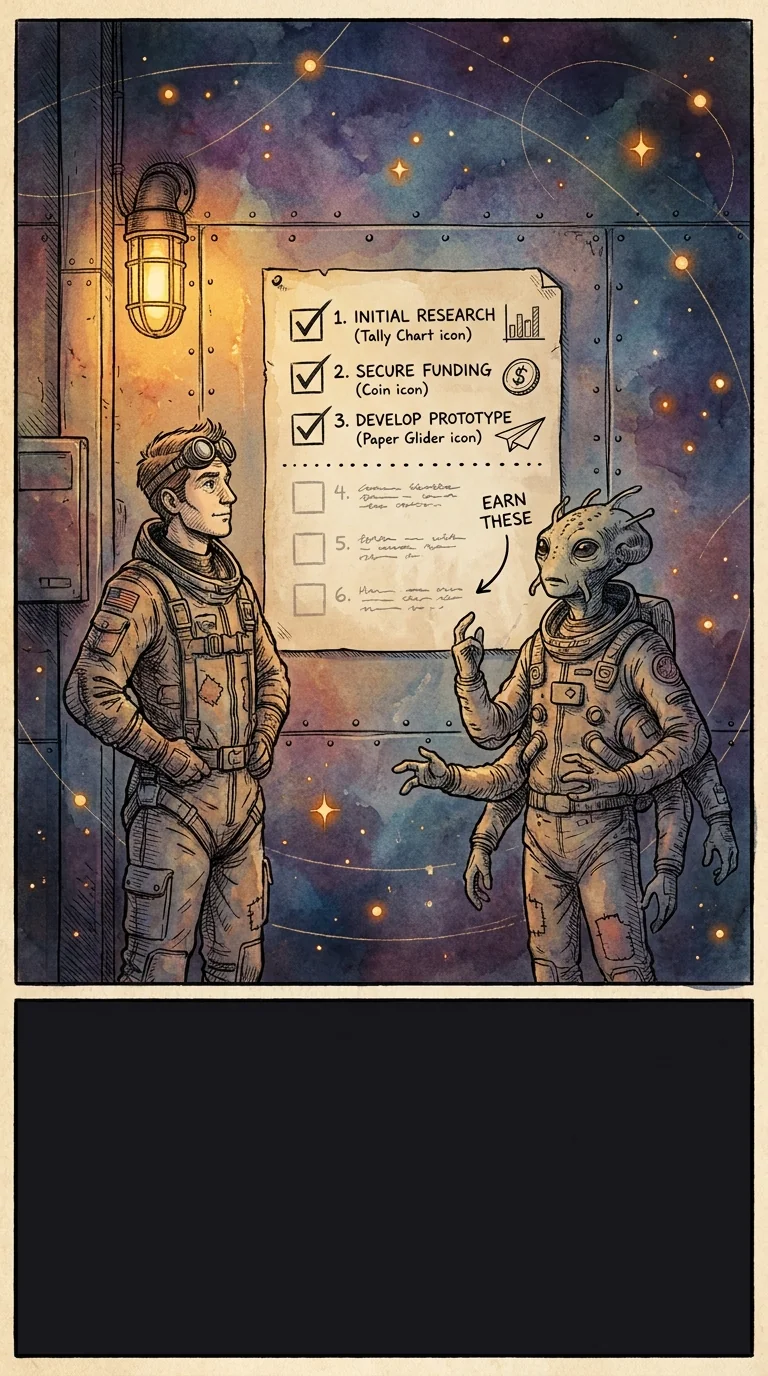
Gate 1: Is the problem real and recurring? Gate 2: Do we have evidence someone will pay or change behavior? Gate 3: Can we test this without building the full thing? Gates 4-6 handle scope, capacity, and timing — but only after the first three clear.

Marcus ran the audit on his team's pet project — a scheduling app for freight pilots. Gate 1 passed easily. Gate 2 stalled them cold: nobody had actually asked a freight pilot if they'd use it. Two interviews later, they pivoted the concept entirely. Saved months.
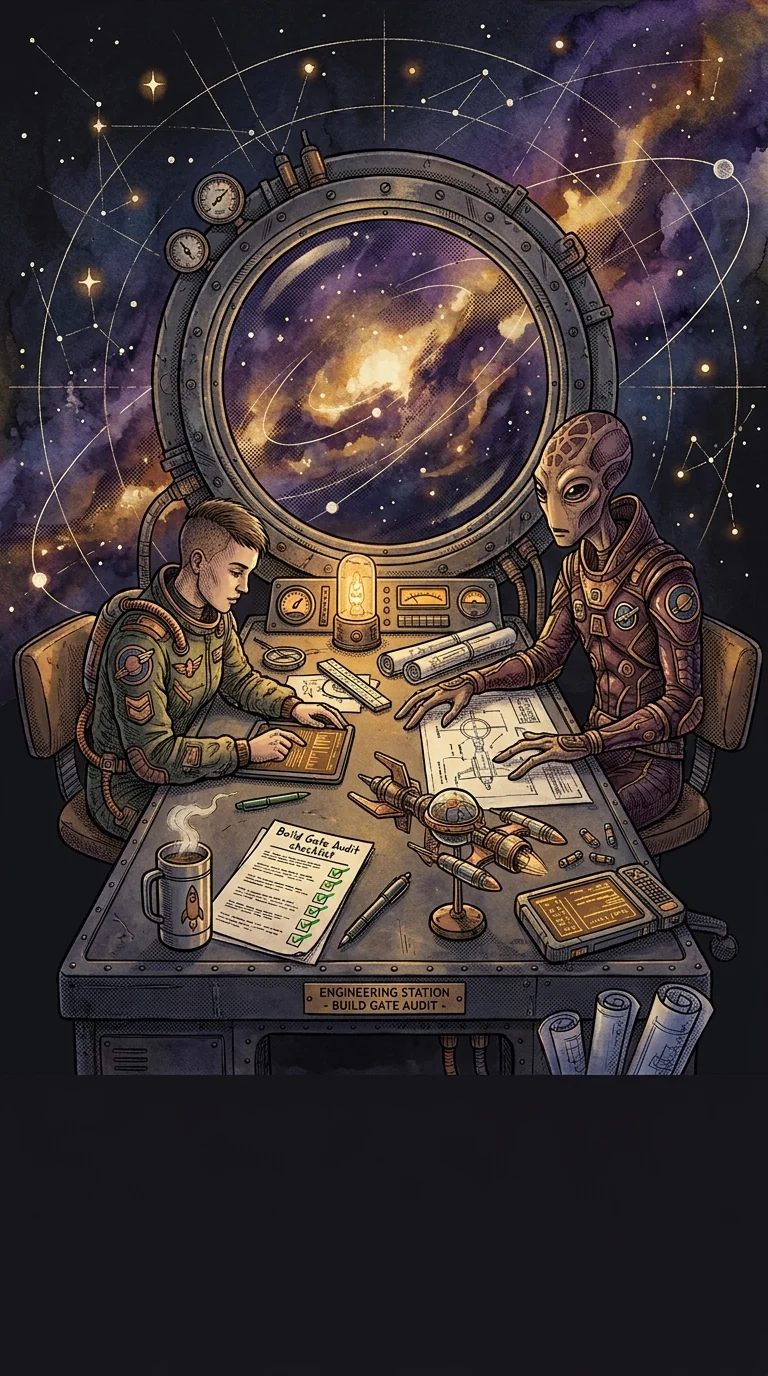
You've spent twenty-five days sharpening how you think. Now you've got a tool that turns "should we?" into something you can actually answer. That's not caution — that's power with a checklist.