The Pre-Wire: Approval Is Won Before the Comms Open
You walk into the meeting with a brilliant proposal, ten rehearsed slides, and the quiet confidence of someone about to get blindsided. The decision was already made — you just weren't part of it.
Part 1: The Pre-Wire: Approval Is Won Before the Comms Open — Concept
+5 XP on completion
You walk into the meeting with a brilliant proposal, ten rehearsed slides, and the quiet confidence of someone about to get blindsided. The decision was already made — you just weren't part of it.
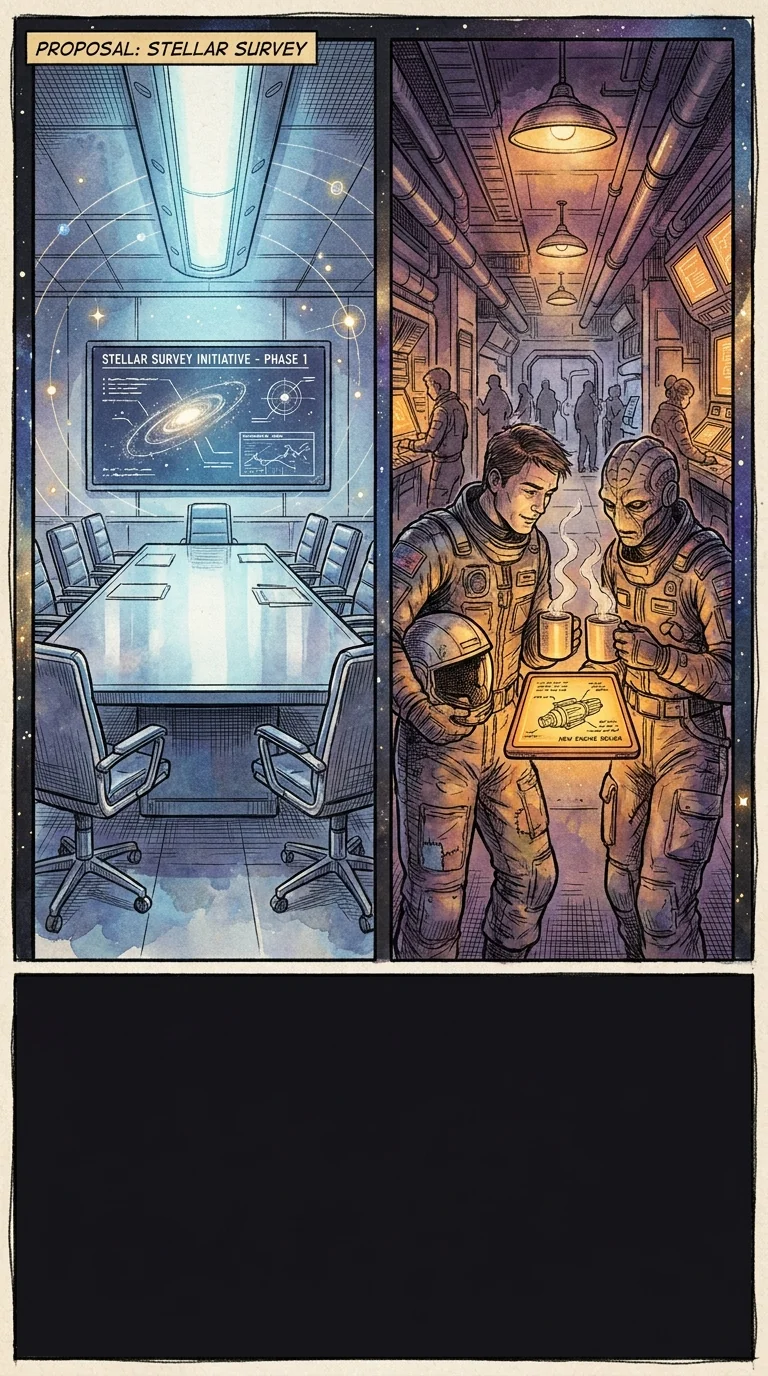
We treat the meeting like it's the game. It's not. It's the postgame press conference — the outcome was settled in hallways, side channels, and one-on-one conversations nobody recorded.

This is the pre-wire — the practice of building alignment before the formal ask. You don't walk into the room to persuade. You walk in to confirm what's already been agreed.

Here's how it works: before any big ask, you have short one-on-one conversations with each key stakeholder. You listen for their concerns, adapt your pitch to address them, and surface objections while there's still room to adjust. By meeting time, nobody's surprised — and surprise is where proposals go to die.

Lisa needed budget approval for a new monitoring system. Old Lisa would've built the perfect deck and hoped for the best. Instead, she spent a week having coffee with three decision-makers, learned one hated surprises and another needed cost data framed monthly, and rewrote her ask around what she heard. The vote took four minutes. Unanimous.

Approval isn't a performance — it's a series of quiet conversations that make the performance unnecessary. In Part 2, you'll practice mapping your stakeholders and scripting your own pre-wire conversations. See you there.
Part 2: The Pre-Wire: Approval Is Won Before the Comms Open — Practice
+10 XP on completion

Approval doesn't happen in the room where the vote is called. It happens in the six quiet conversations you had before anyone sat down.
Most proposals die because they're introduced and debated in the same breath. People hear something new and their first instinct is to poke holes — not because they're against you, but because surprise feels like a threat.
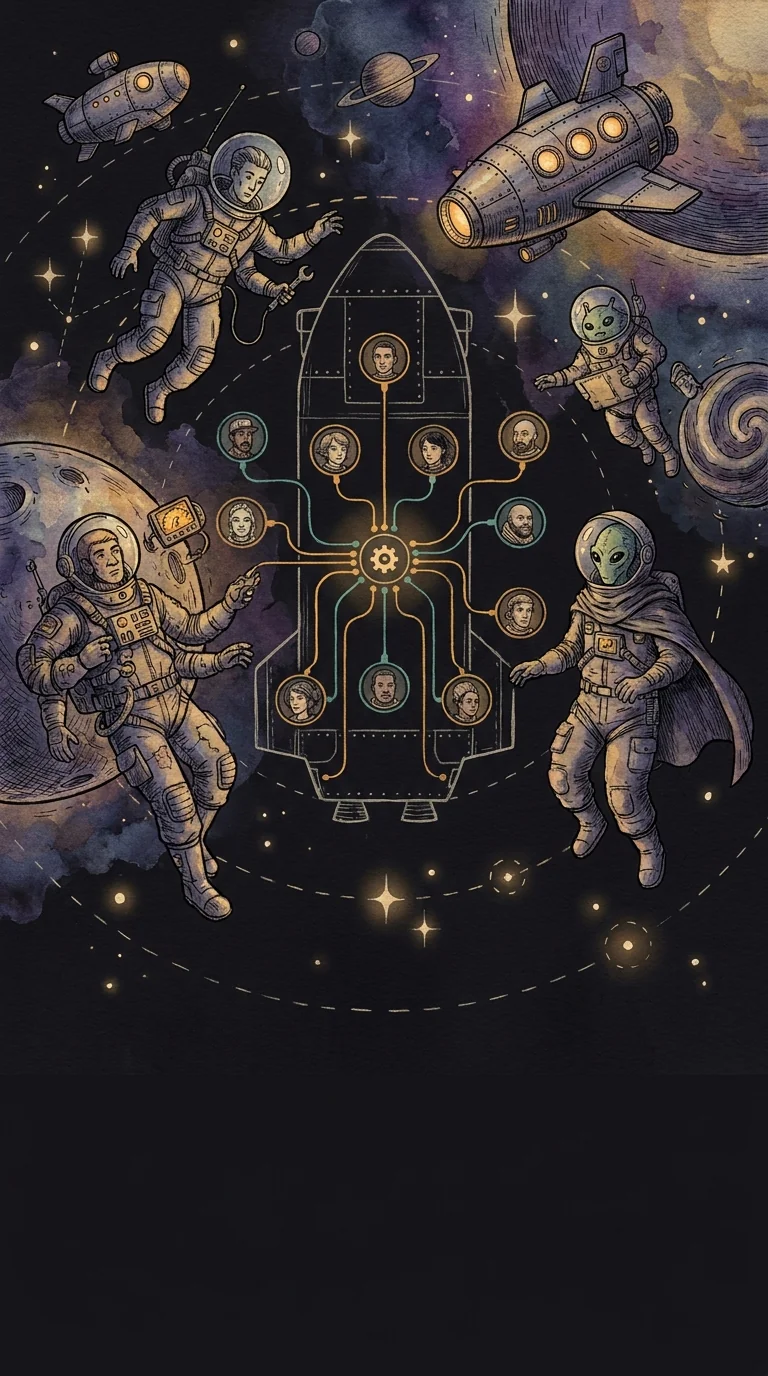
The technique is called the Pre-Wire Circuit. You meet with each key stakeholder individually — before the formal decision — and do three things: share the idea, ask for their concern, and fold their input in. By the time the group convenes, nobody's hearing it cold.
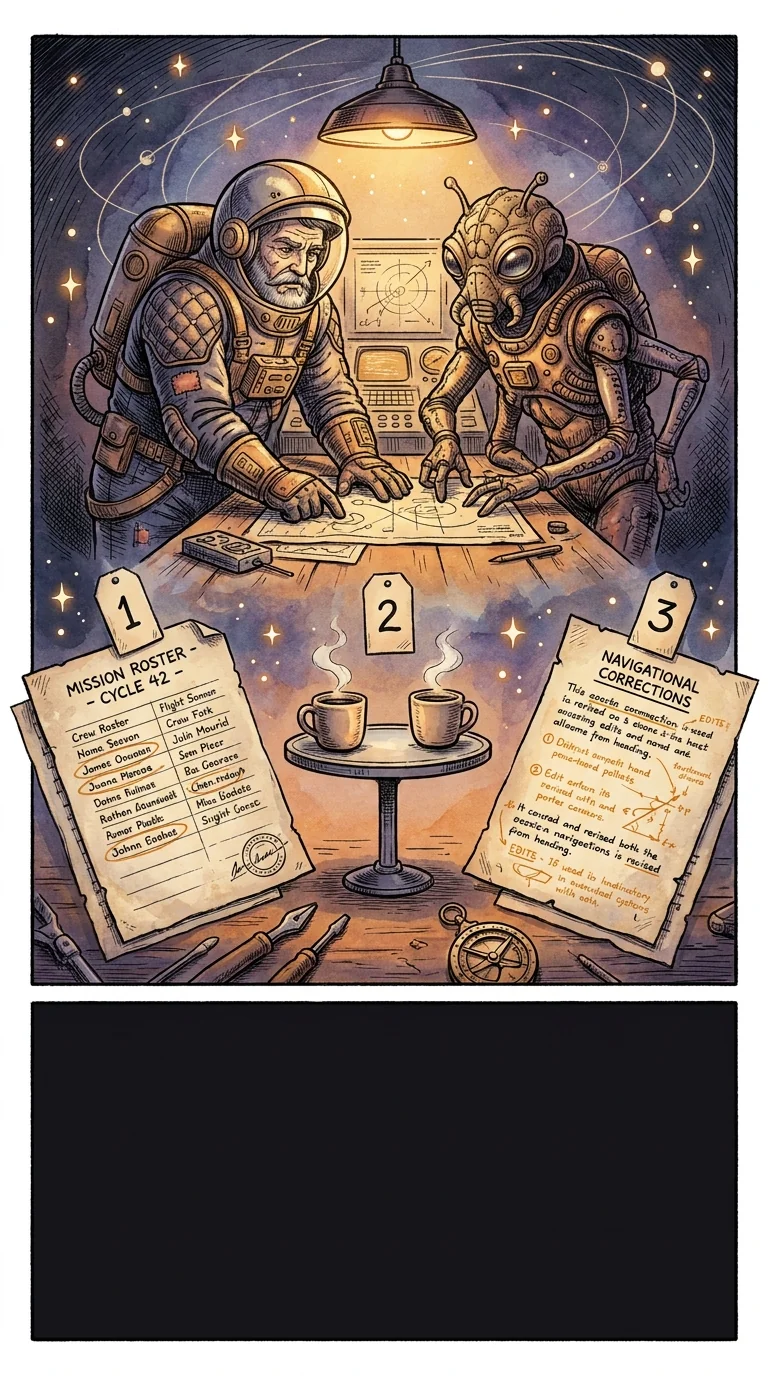
Here's how you run it. Step one: identify your three to five decision-shapers from your Crew Map. Step two: have a short one-on-one with each — share the idea, ask 'What would make this hard for you?' and actually listen. Step three: revise before you present. You're not lobbying. You're co-building.

Lisa needed approval for a new cargo routing protocol. Instead of pitching it cold at the weekly sync, she spent two days having corridor chats with the four people who'd vote. Two loved it. One had a logistics concern she hadn't considered — so she fixed it. The fourth just wanted credit for contributing. By the time the meeting started, the 'discussion' lasted four minutes.

Pick one decision coming up this week — even a small one. Identify two people whose buy-in matters and have the conversation before the meeting. You'll be stunned how different a room feels when nobody's surprised.