The Strategic Quit
You've been taught that quitting is the opposite of grit. That walking away means you're weak, soft, or didn't want it badly enough. Funny how that belief keeps you bolted to things that stopped working months ago.
Part 1: The Strategic Quit — Concept
+5 XP on completion

You've been taught that quitting is the opposite of grit. That walking away means you're weak, soft, or didn't want it badly enough. Funny how that belief keeps you bolted to things that stopped working months ago.

Here's what nobody admits: most persistence is just momentum wearing a costume. You're not staying because you ran the numbers — you're staying because leaving would mean all that earlier effort was "wasted." The sunk-cost fallacy doesn't knock. It moves in.

Strategic quitting isn't giving up — it's resource allocation with a spine. Every hour you spend on the wrong path is an hour stolen from the right one. Knowing when to quit IS knowing when to persist, and you've probably had it exactly backwards.

The mechanism is stupidly simple: set your quit criteria before emotion gets a vote. Decide in advance what "not working" looks like — specific numbers, specific dates, specific signals. When the evidence arrives, you don't debate. You act.

Marcus spent fourteen months building a navigation app nobody downloaded. Not because the idea was bad — because he'd told everyone he was "all in." The day he finally shut it down, he had a better prototype sketched on a napkin within a week. Quitting didn't end his ambition. It uncaged it.

Quitting strategically is a skill, not a character flaw — and like any skill, it gets sharper with a framework. In Part 2, you'll practice building your own kill criteria so you can make the call before the pressure hits. See you there.
Part 2: The Strategic Quit — Practice
+10 XP on completion

Quitting isn't the opposite of persistence — it's the mechanism that makes persistence count. The trick is knowing which things deserve your stubbornness and which ones are just bleeding you dry.

Most quitting happens in the worst possible moment — when you're emotional, exhausted, or three drinks into a pity party. That's not strategic. That's just a tantrum with consequences.
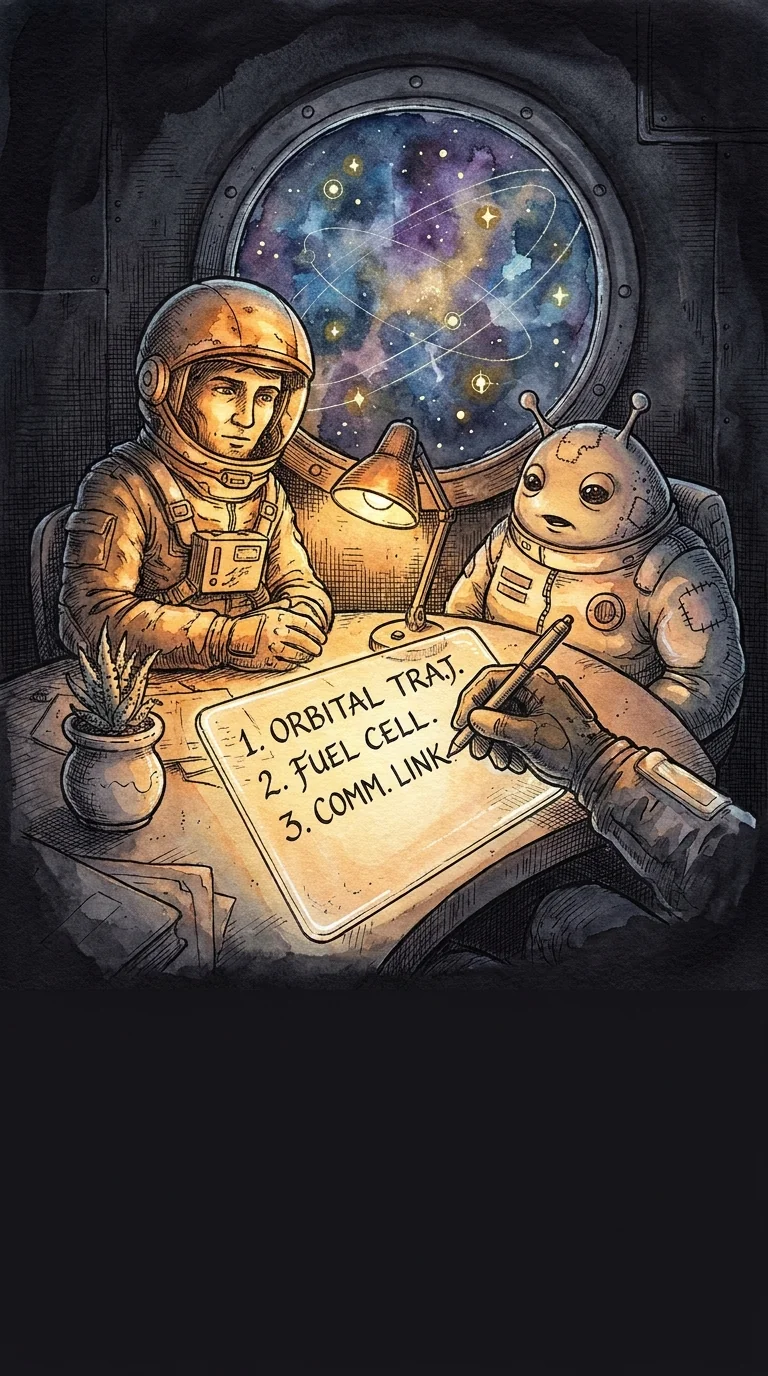
Enter the Pre-Commitment Quit Protocol. You define your exit criteria now — while you're calm, clear-headed, and not yet invested enough to lie to yourself about the results.

Pick one project or commitment you're unsure about. Write three specific conditions that would mean it's time to walk away — a date, a number, a measurable signal. Not feelings. Evidence. Then write one condition that means you double down. Tape it where you'll see it.

Sarah spent two years building a side business that never cleared $200 a month. She'd set her quit criteria six months in: if revenue didn't hit $500 by month eight, she'd redirect. Month eight came — she ignored her own card. Month twenty-four, she finally quit anyway. Same decision, eighteen months of sleep she'll never get back.

You now have something almost nobody builds: a decision you made before the pressure hit. Next time the moment arrives, you won't have to be brave. You'll just have to read your own handwriting.