Assumptions vs. Opinions: Only One Is Testable
You've been in that meeting — two people arguing passionately, neither one budging, and nobody can explain what would change their mind. That's not a debate. That's just weather.
Part 1: Assumptions vs. Opinions: Only One Is Testable — Concept
+5 XP on completion

You've been in that meeting — two people arguing passionately, neither one budging, and nobody can explain what would change their mind. That's not a debate. That's just weather.
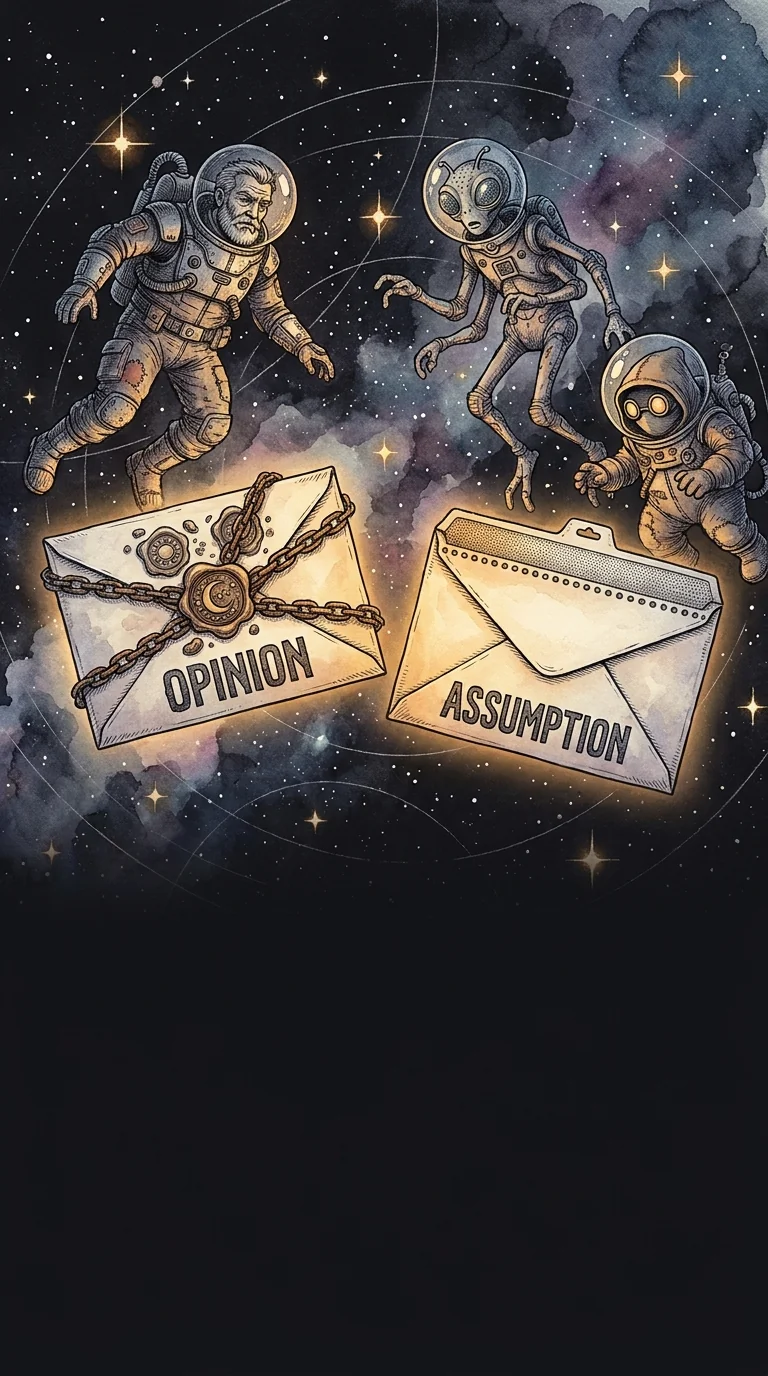
Opinions and assumptions feel identical from the inside — both arrive wearing the uniform of certainty. The difference? An opinion is something you believe. An assumption is something you can actually test. Only one of them moves a decision forward.

Here's what nobody admits: the reason we treat opinions like facts is because testing an assumption means we might be wrong. Opinions are cheaper — you just hold them harder. Assumptions require you to build a little experiment and live with the answer.

The move is simple. When a belief shows up in your decision-making, ask it one question: "What would prove you wrong?" If you get an answer, it's an assumption — and now you've got something to work with. If you get nothing but a stare, it's an opinion. File it. Don't steer by it.

Lisa spent three weeks arguing that her team's new scheduling tool was slowing everyone down. Felt true. Sounded true. Then someone asked her what data would change her mind. She went quiet, ran the numbers, and found the bottleneck was onboarding — not the tool. Awkward? Sure. But now she was solving the actual problem.
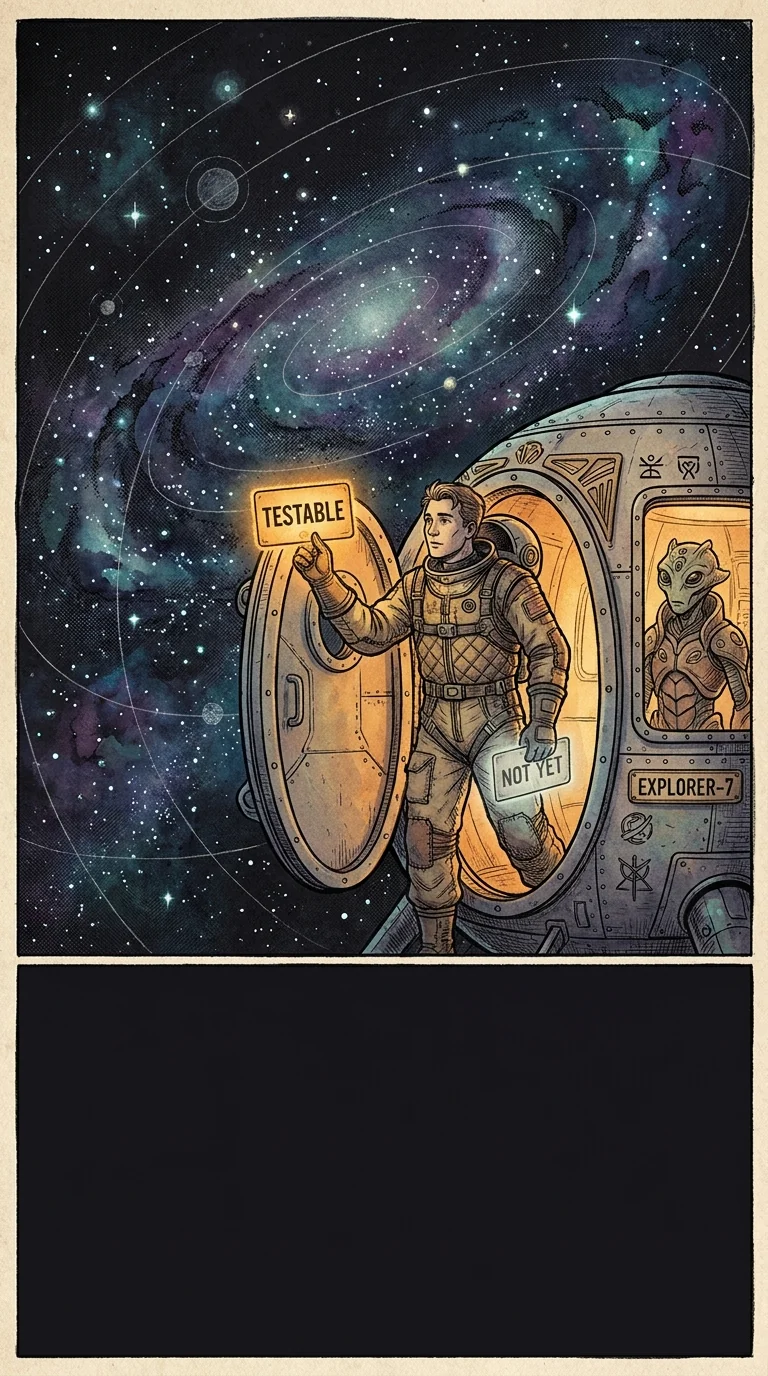
Opinions keep you comfortable. Assumptions keep you moving. The trick is knowing which one you're holding before you bet on it. In Part 2, you'll practice sorting your own beliefs into testable assumptions and untestable opinions — and design a quick experiment for one that matters. See you there.
Part 2: Assumptions vs. Opinions: Only One Is Testable — Practice
+10 XP on completion
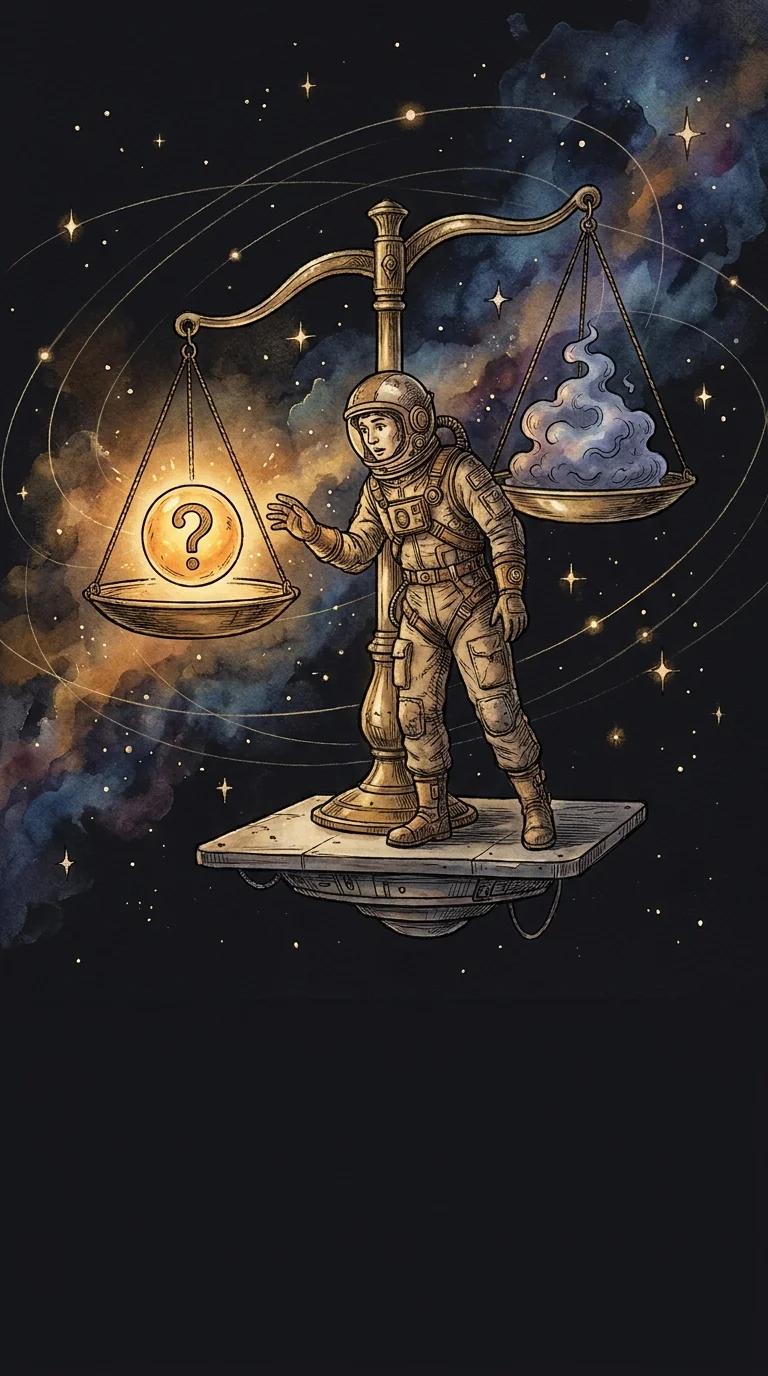
Opinions feel solid until you try to do something with them. Assumptions, though — those you can put on a scale and weigh.
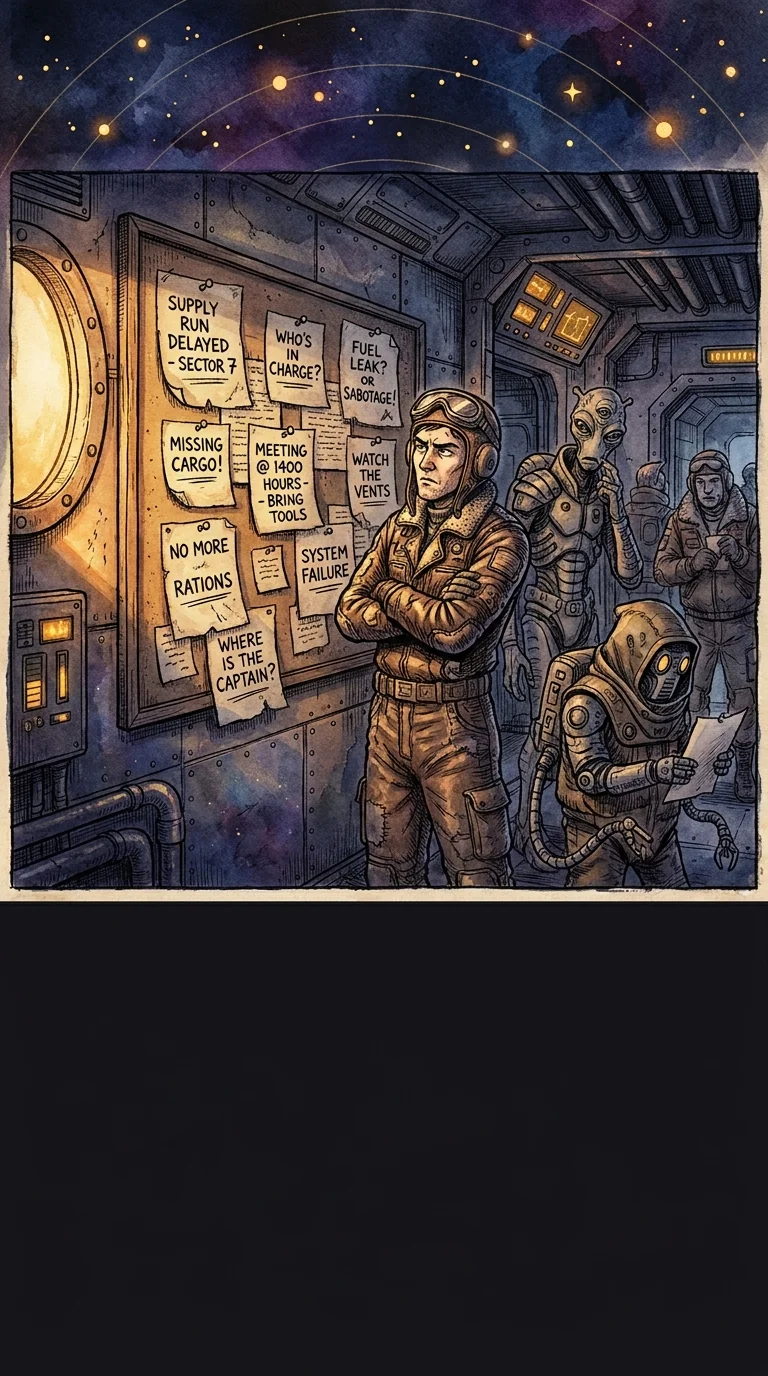
Most stuck decisions are full of opinions dressed up as facts. "This won't work," "They'll never agree," "It's too expensive" — none of those have been tested. They've just been repeated.
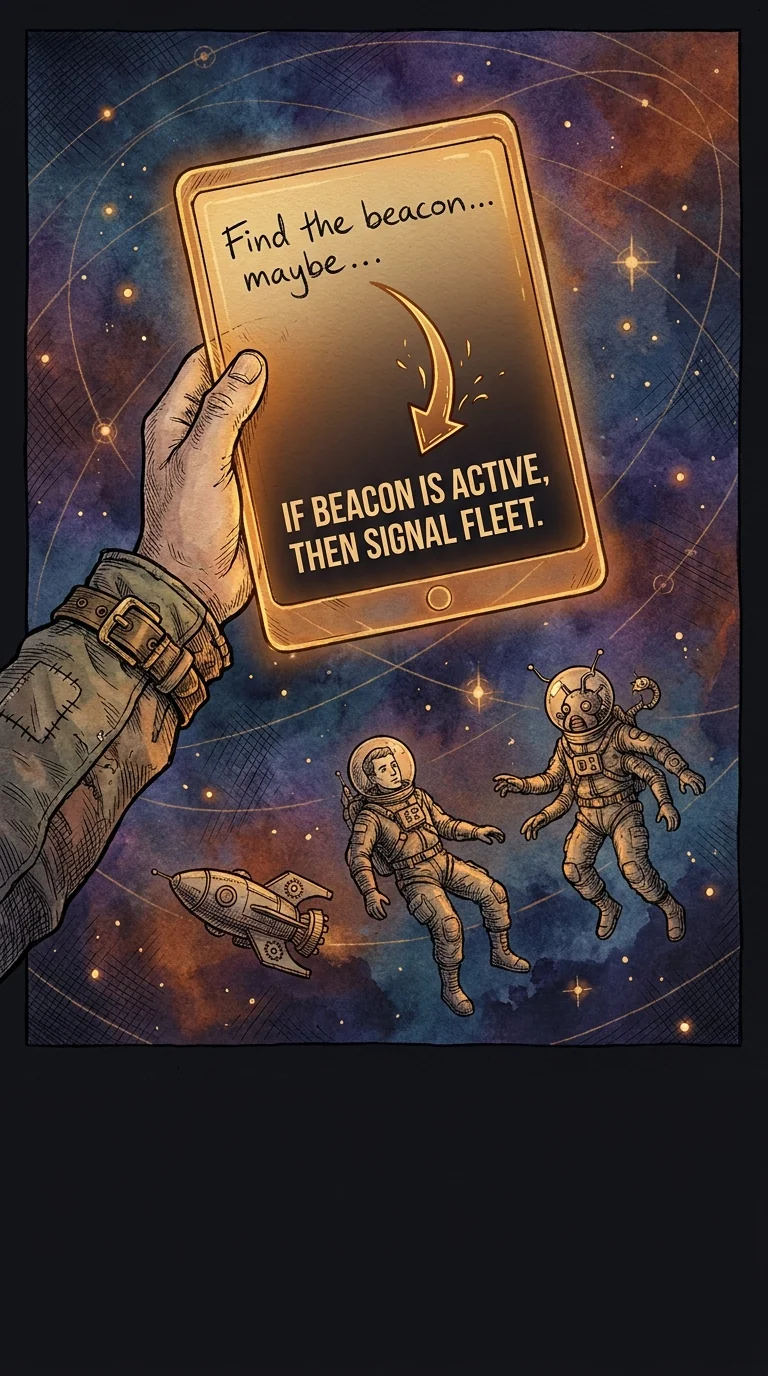
Here's the move: take any belief blocking your decision and rewrite it as an if/then statement. If it can't become one, it's an opinion. Park it. If it can — congratulations, you've got something you can actually check.
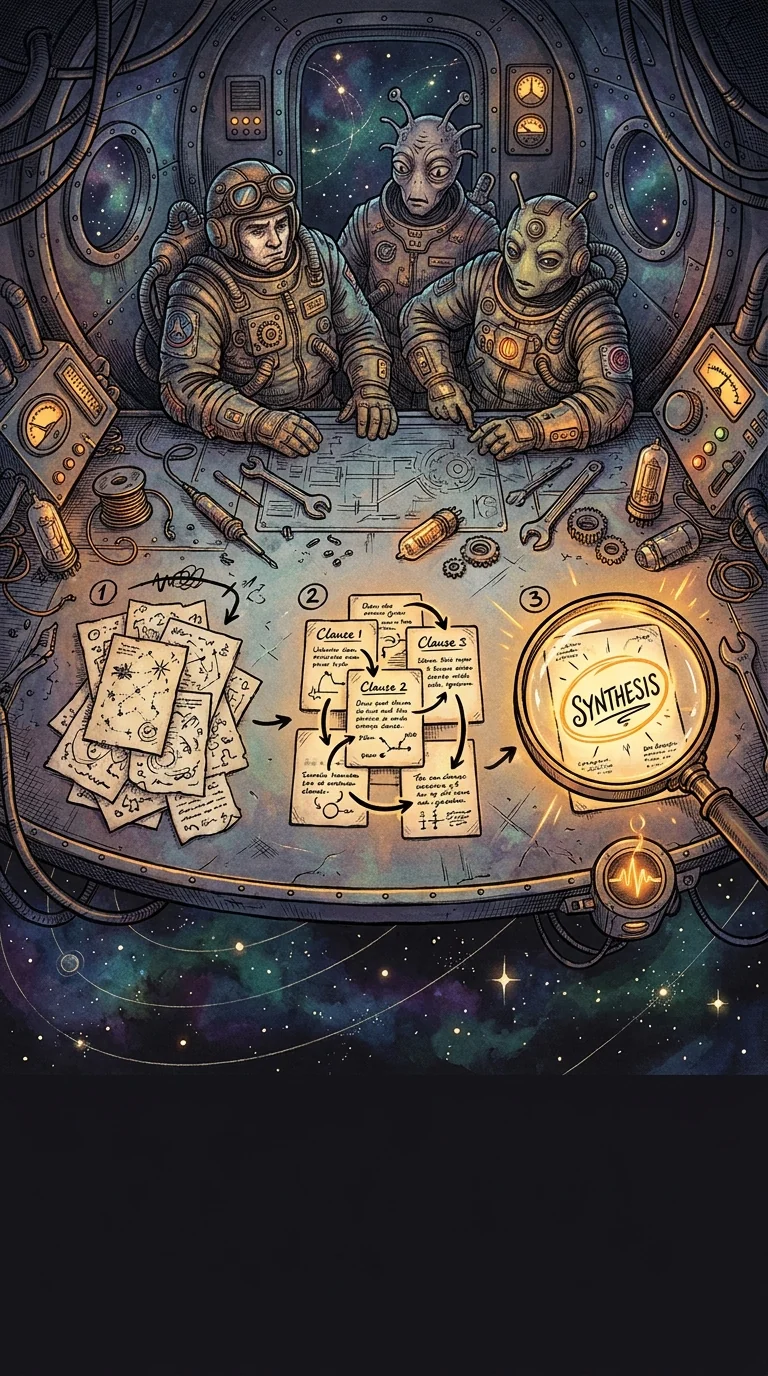
The technique is called the Assumption Extraction. Step one: list every belief around your stuck decision. Step two: rewrite each one as a testable if/then. Step three: pick the one assumption that, if wrong, changes everything — and go test that one first.

Sarah had been telling herself her team wouldn't support a schedule change — for months. She rewrote it: "If I propose flexible shifts, then at least 60% will opt in." She ran a one-week pilot. Seventy-three percent opted in. The opinion had cost her a quarter.

You've got decisions sitting in opinion jail right now. Extract one assumption today, turn it into an if/then, and give it the smallest possible test. The galaxy doesn't reward certainty — it rewards the people willing to check.