The Calibration Paradox
Marcus asked an AI to draft his quarterly strategy. It came back in eleven seconds — polished, confident, and completely wrong about what his team actually needed. Eleven seconds is fast enough to ruin a quarter.
Part 1: The Calibration Paradox — Concept
+5 XP on completion
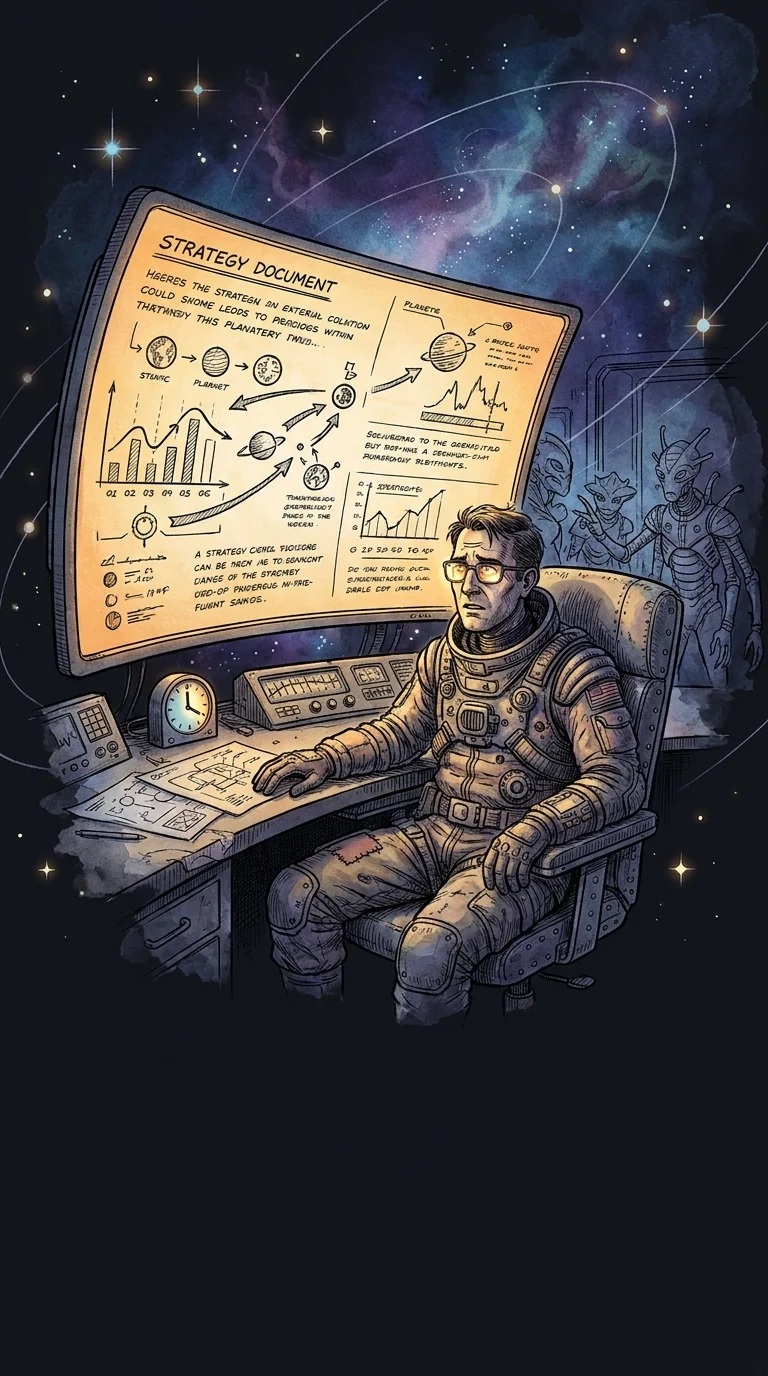
Marcus asked an AI to draft his quarterly strategy. It came back in eleven seconds — polished, confident, and completely wrong about what his team actually needed. Eleven seconds is fast enough to ruin a quarter.
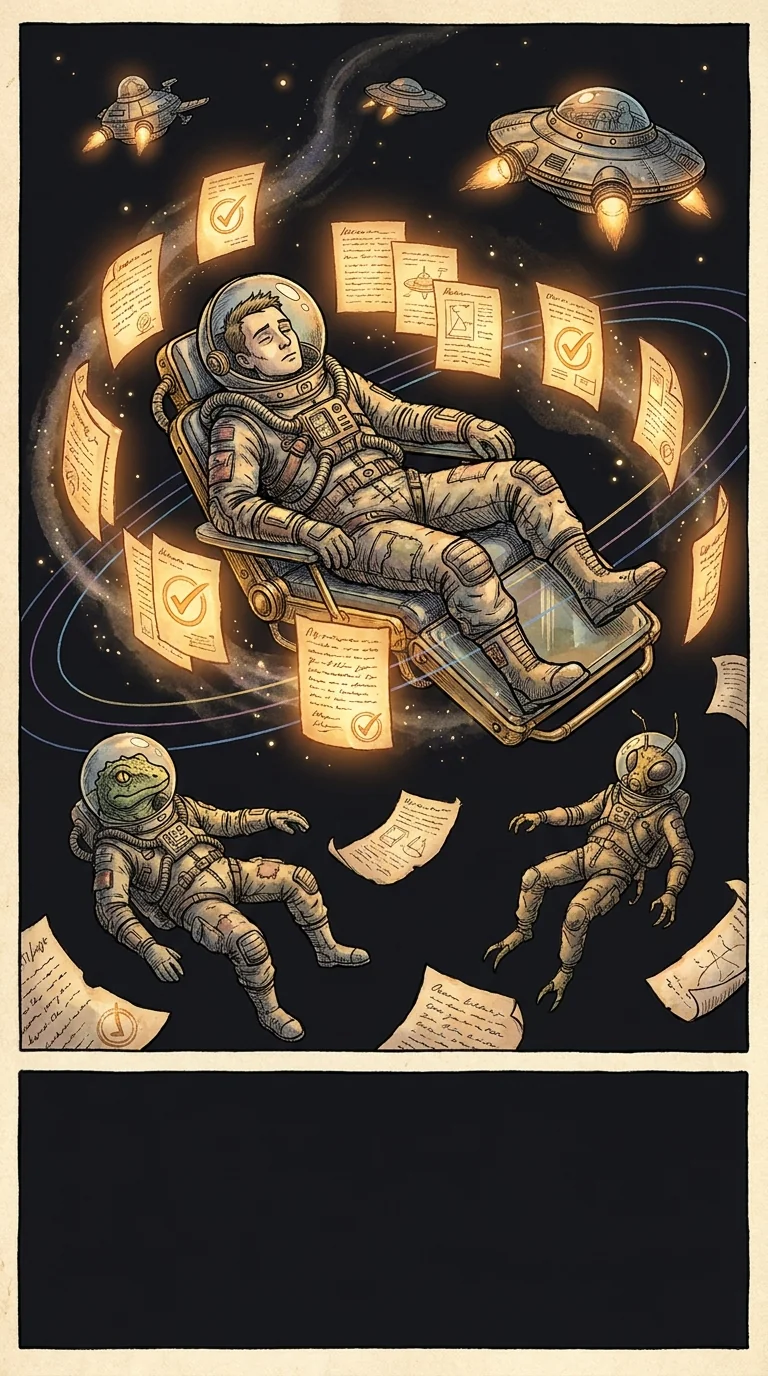
Here's what nobody admits: the smarter our tools get, the lazier our judgment wants to be. When a machine hands you a beautiful answer in seconds, the temptation isn't to think harder — it's to stop thinking entirely.

AI can think. What it can't do is decide. Thinking is pattern recognition and prose — machines do that at scale now. Deciding means caring about an outcome, owning a consequence, and knowing which wrong answer you can live with. That part's still yours.

This is the Calibration Paradox: the cheaper intelligence gets, the more expensive your judgment becomes. When everyone has access to the same brilliant machine, the only differentiator left is the person who knows which questions to ask — and which answers to throw away.
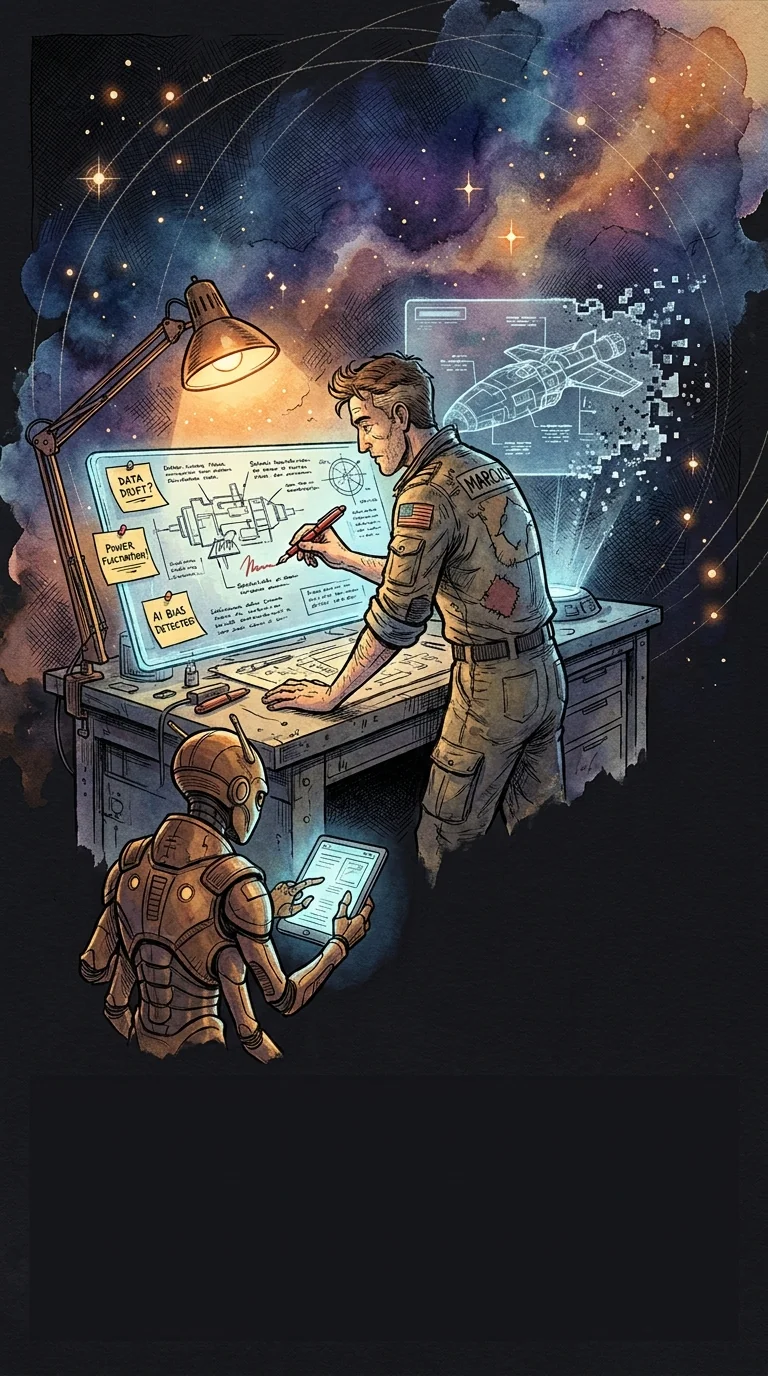
Marcus went back to that quarterly strategy. Same AI, same prompt — but this time he marked three things the machine couldn't know: his team was burned out, a key client was about to leave, and the budget assumed last year's headcount. The AI's draft didn't survive a single one of those facts. His revised version did.
The machine brings speed. You bring stakes. That's not a limitation — it's the whole job description now. In Part 2, you'll practice sorting AI-ready tasks from judgment-required decisions in your own work. See you there.
Part 2: The Calibration Paradox — Practice
+10 XP on completion
So AI can think cheaply — but it can't decide what matters. That part's still your job, and it just got a lot more valuable.

Most mornings, Marcus opened his laptop and asked AI to draft his team's priorities. He'd accept whatever came back, tweak a comma, and call it leadership. Three months later his department was efficiently sprinting in the wrong direction.
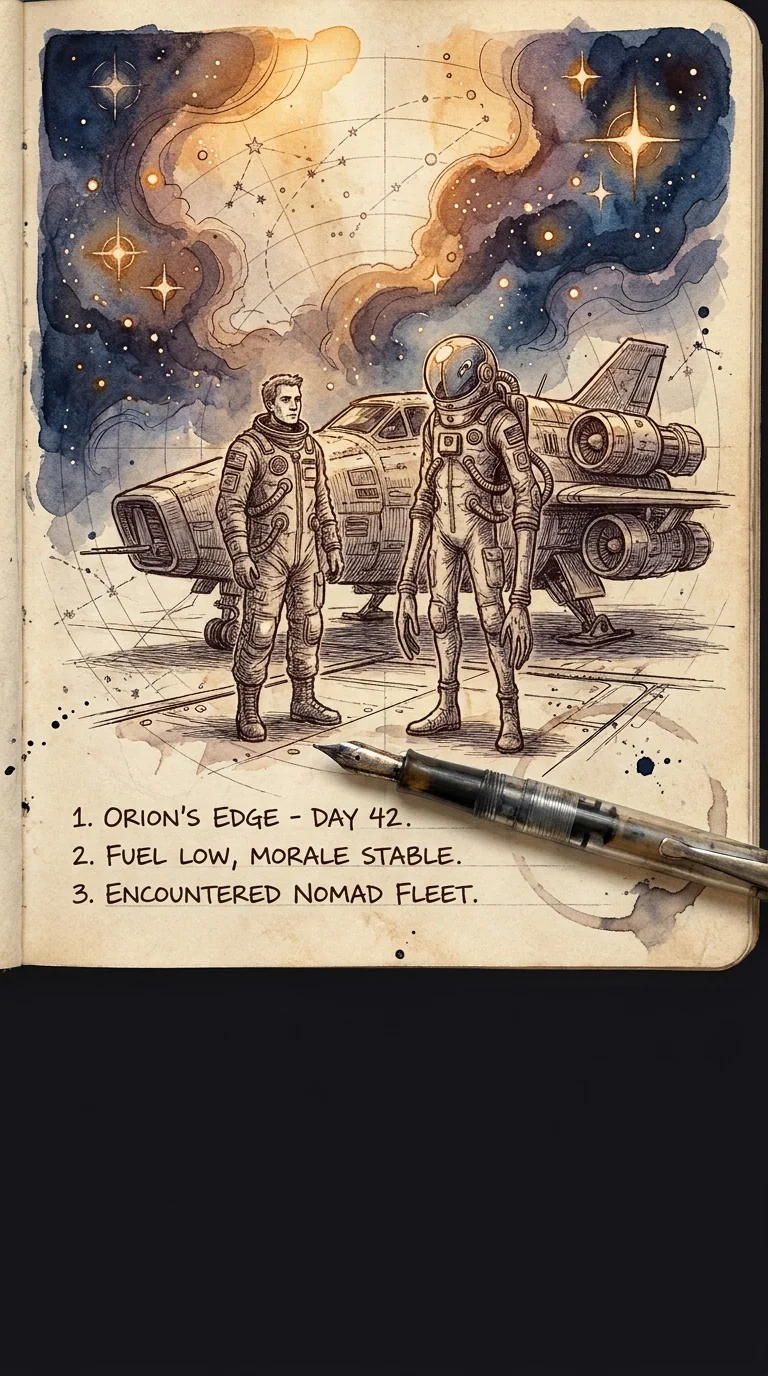
Here's the technique: The Decision Filter. Before you hand anything to AI, you answer three questions — and you write them down, because your brain will try to skip this part. It always does.

Question one: What outcome do I actually want? Question two: What would I refuse to accept, even if the machine recommended it? Question three: What do I know about this situation that no dataset contains? Answer those first. Then let the machine run.
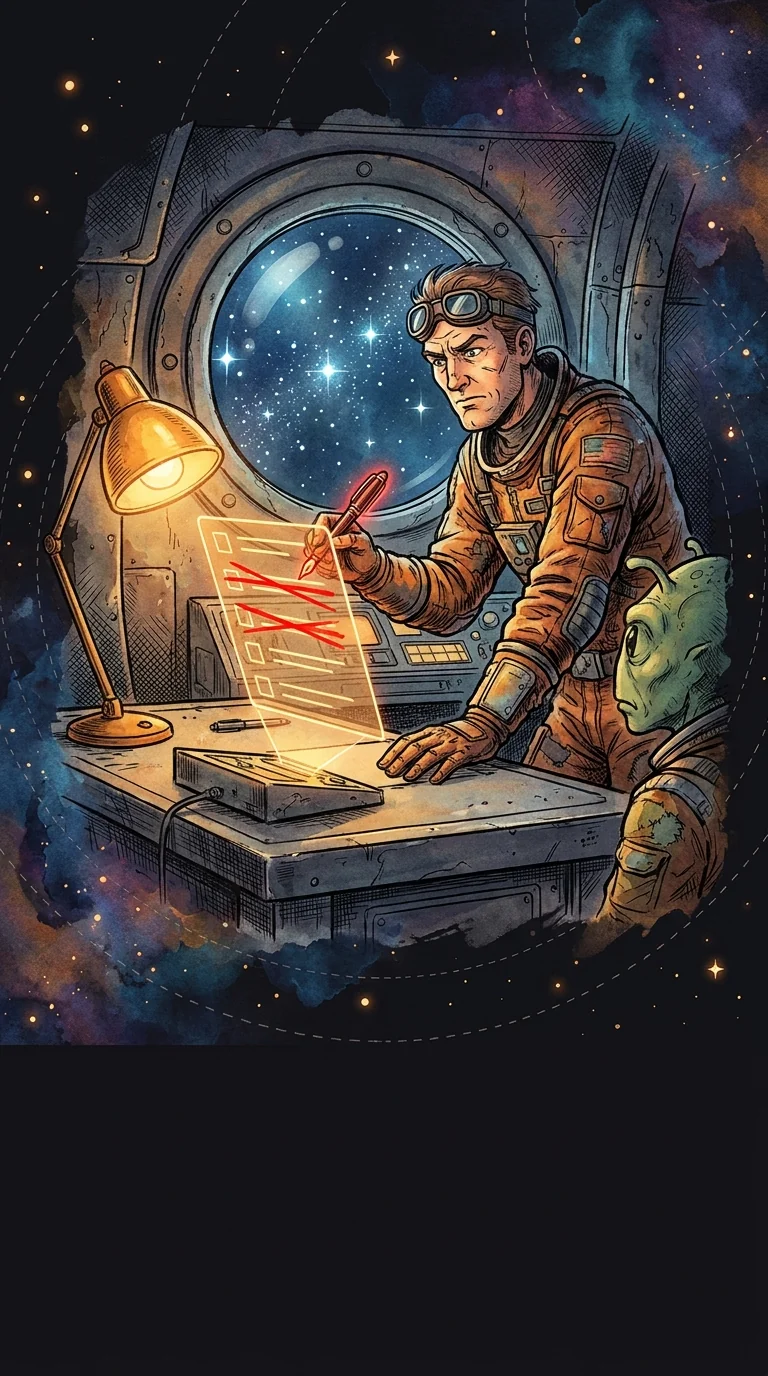
Marcus tried it the next Monday. Took him four minutes with a pen. When the AI spit back its priorities, he caught two that looked efficient on paper but would have burned out his best engineer. He crossed them out. That felt like actual leadership.

Your judgment is the one component that gets more valuable as machines get smarter. The Decision Filter takes four minutes. Start tomorrow morning — your pen already knows more than you think.